


Listen to the article
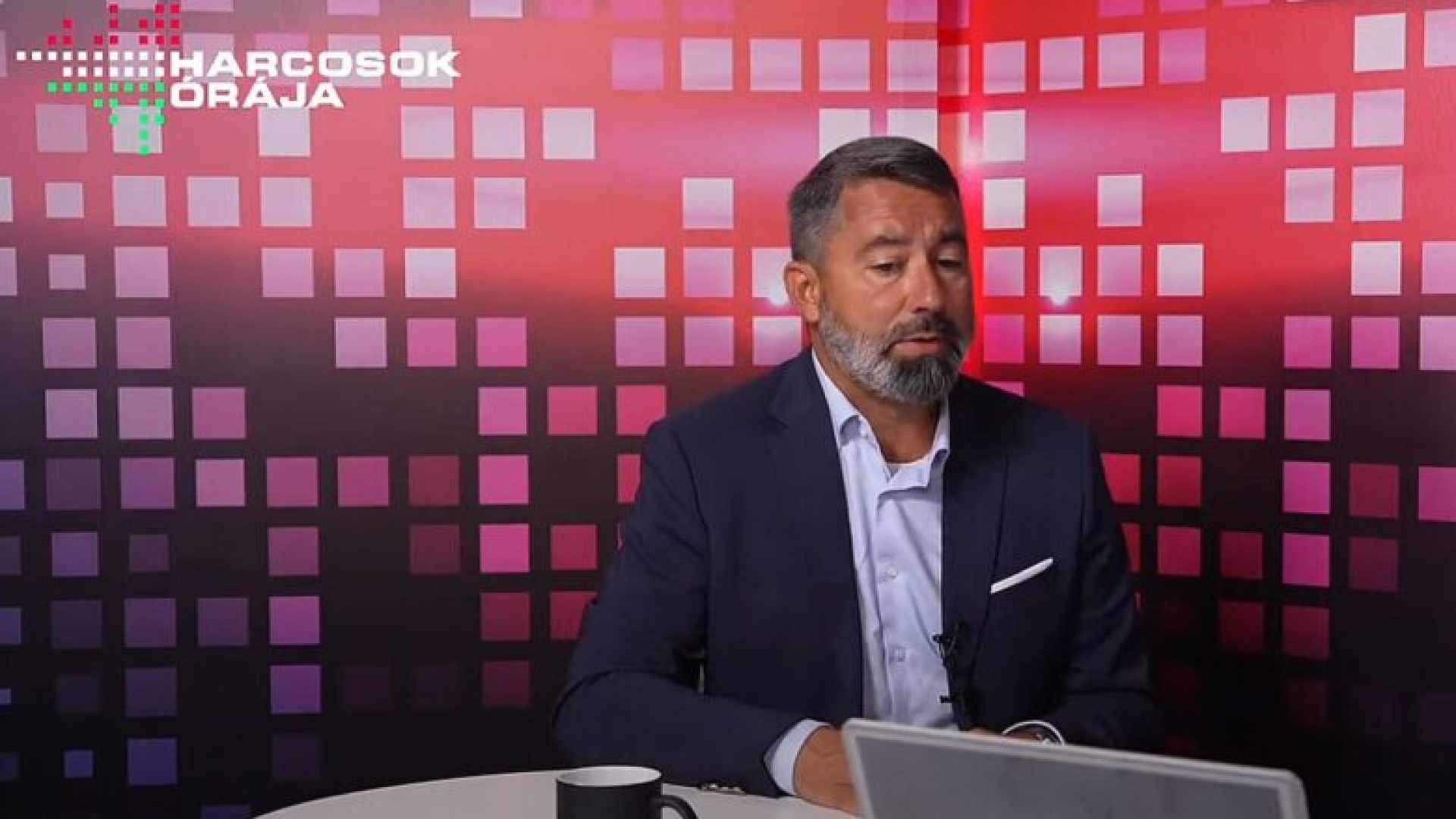
In a pointed critique of media practices, Parliamentary State Secretary Balázs Hidvéghi accused liberal media outlets of deliberately spreading false information to heighten tensions before upcoming elections. Speaking Monday on the online program “Harcosok órája” (Hour of Warriors), Hidvéghi vowed that the government would continue to expose what he termed manipulation in media reporting.
Hidvéghi specifically addressed reports claiming Lake Balaton, Hungary’s premier tourist destination, has suffered from low visitor numbers. “If these claims had been true, for years no one would have been there except midges,” he said, dismissing such narratives as fabricated. The lake remains a vital economic driver for the region, attracting both domestic and international tourists throughout its summer season.
The State Secretary also targeted coverage of Budapest’s aging public transportation system, redirecting criticism toward the city’s opposition mayor, Gergely Karácsony. According to Hidvéghi, Karácsony inherited substantial financial reserves upon taking office in 2019 but allegedly prioritized property acquisitions over investing in much-needed transportation improvements. Budapest’s public transit system has faced ongoing challenges with maintenance and modernization amid budget constraints.
In another example of alleged media bias, Hidvéghi criticized opposition-aligned outlets for selectively reporting comments by Péter Magyar, a political figure who has emerged as a significant voice challenging the ruling Fidesz party. He claimed these outlets deliberately omitted Magyar’s positive remarks about a hospital in Székesfehérvár. “The verdict was written in advance,” Hidvéghi stated, suggesting predetermined negative coverage regardless of facts.
The State Secretary characterized the liberal media environment as “closed, uninterested in objectivity,” and staffed by “political propagandists” rather than journalists. This portrayal comes amid Hungary’s increasingly polarized media landscape, which press freedom organizations have noted has experienced significant consolidation under government-friendly ownership in recent years.
Addressing speculation about Prime Minister Viktor Orbán potentially leaving office, Hidvéghi emphasized the critical nature of the upcoming election. “The fate of the country is at stake,” he declared, highlighting that decisions on foreign policy, migration, and family support must remain under Hungarian Parliament control. “The election will decide whether sovereignty policy continues or whether foreign-serving politics prevails,” he added, echoing the government’s consistent messaging about protecting Hungarian autonomy from external influence.
The program also featured József Horváth, director of the Sovereignty Protection Research Institute, who offered analysis of international developments including discussions of a hypothetical Trump-Putin summit in Alaska and Western strategy regarding the ongoing conflict in Ukraine.
Horváth argued that European sanctions against Russia had failed to achieve their intended goal of weakening the Russian economy while simultaneously triggering serious energy and economic challenges across Europe. Many European countries have indeed faced significant inflation and energy price volatility since implementing sanctions following Russia’s invasion of Ukraine in 2022.
On the military situation, Horváth claimed Russia’s defense industry can produce armaments at several times the capacity and significantly lower cost than Western suppliers supporting Ukraine. He presented a bleak assessment of Ukraine’s prospects without diplomatic compromise, warning of potential “depopulation and collapse” if the conflict continues on its current trajectory.
The remarks from both Hidvéghi and Horváth align with the Hungarian government’s consistent position advocating for peace negotiations in Ukraine and its criticism of EU sanctions policy, stances that have sometimes put Hungary at odds with broader European Union consensus.
Fact Checker
Verify the accuracy of this article using The Disinformation Commission analysis and real-time sources.
