


Listen to the article
Ukrainian President Volodymyr Zelensky has firmly dismissed Russian claims that peace negotiations with the United States have come to a standstill, emphasizing that dialogue between Kyiv and Washington remains active and ongoing.
“Today, our team already had several calls — Umerov together with the Americans, including Steve Witkoff. We are discussing our next steps,” Zelensky stated during a press briefing on Thursday. The Ukrainian leader underscored that his administration maintains daily communication with American counterparts on critical matters of security, defense cooperation, and international support mechanisms.
Zelensky accused the Kremlin of deliberately spreading misinformation about the status of negotiations, suggesting that Moscow aims to undermine the fragile peace process by creating a false narrative of diplomatic breakdown. This accusation comes amid heightened tensions in Eastern Europe, where the conflict has entered its fourth year with no immediate resolution in sight.
The diplomatic channel between Ukraine and the United States opened formally in November 2025, beginning with substantive consultations in Florida. These initial talks were spearheaded by National Security and Defense Council advisor Rustem Umerov, who has emerged as a key figure in Ukraine’s diplomatic efforts. Sources close to the negotiations indicate that since these preliminary discussions, communication has continued uninterrupted through daily phone calls and virtual meetings.
These ongoing discussions cover a broad spectrum of issues central to any potential peace agreement, including comprehensive security guarantees for Ukraine, territorial considerations, and the development of a coordinated strategic approach between the two nations. The talks represent one of the most significant diplomatic initiatives aimed at resolving the protracted conflict.
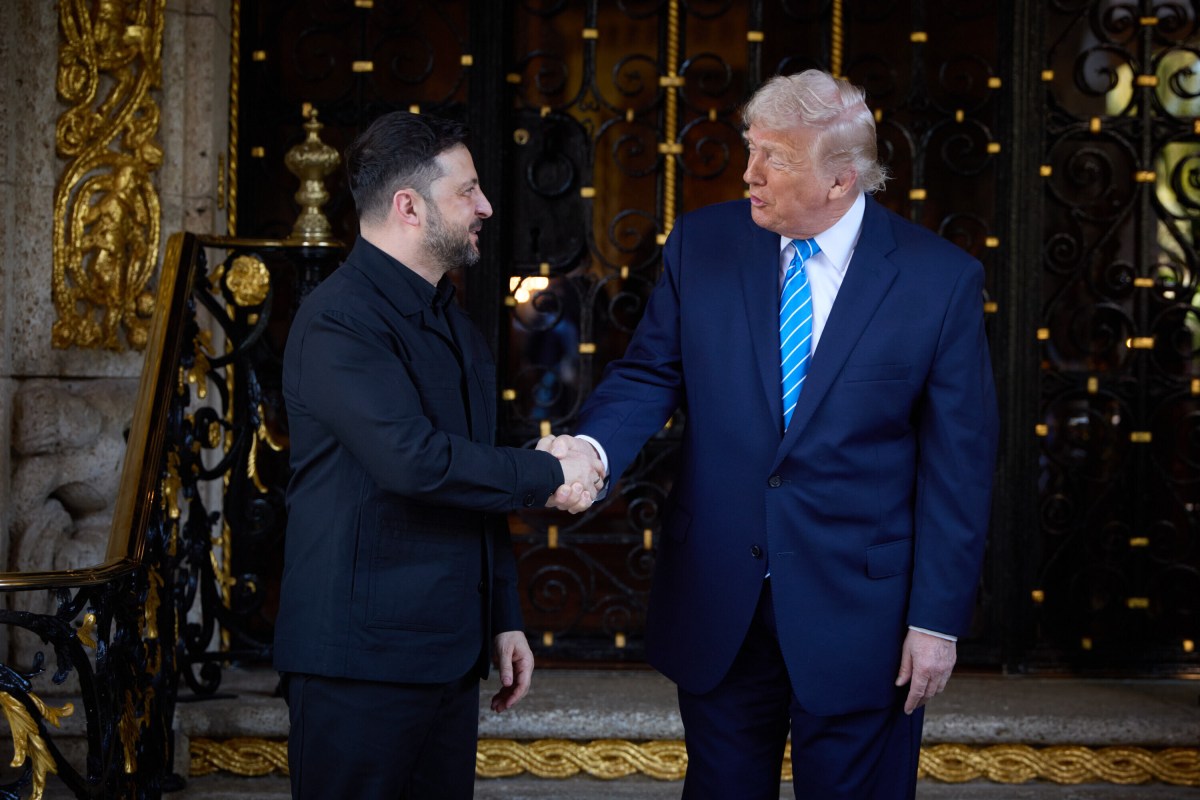
A pivotal moment in the negotiation process occurred on December 28, when Zelensky traveled to Florida for a face-to-face meeting with U.S. President Donald Trump. The high-stakes summit addressed several contentious points in Washington’s proposed peace framework, though specific details of these discussions have not been made public. Following the meeting, Trump announced the formation of a specialized working group dedicated to settlement efforts, signaling American commitment to facilitating a resolution.
Notably absent from the Florida summit were European leaders, who have played significant roles in previous peace initiatives. However, diplomatic sources confirmed that Zelensky held separate consultations with key European counterparts the day before meeting with Trump, suggesting a coordinated Western approach despite separate discussions.
The continued dialogue comes against a backdrop of evolving battlefield dynamics and shifting international priorities. Russia has recently intensified military operations in eastern Ukraine, while simultaneously promoting narratives about Ukraine’s supposed unwillingness to negotiate in good faith.
International observers note that sustaining meaningful negotiations remains challenging amid ongoing hostilities. The Stockholm International Peace Research Institute recently reported that conditions for durable peace will require not only cessation of immediate fighting but also robust international security guarantees and significant reconstruction assistance.
Economic considerations also loom large in the discussions. Ukraine’s economy has contracted significantly during the conflict, with infrastructure damage estimated at over $150 billion. Any comprehensive settlement would likely need to address reconstruction financing, which Western partners, particularly the United States, would be expected to support substantially.
As negotiations continue, both Ukrainian and American officials have emphasized the importance of maintaining discretion regarding specific proposals. However, Zelensky’s public rejection of Russian claims about stalled talks suggests his administration sees value in projecting an image of diplomatic momentum, even as fighting persists in eastern regions of the country.
Fact Checker
Verify the accuracy of this article using The Disinformation Commission analysis and real-time sources.

10 Comments
While the details of the negotiations are unclear, it’s heartening to see Ukraine and the US working together to address the security issues. Transparency and accountability will be key to building trust and achieving a sustainable peace.
The accusations of Russian misinformation are concerning but not surprising. It’s critical that both sides remain transparent and factual in their negotiations to avoid further escalation of the conflict.
Yes, it’s important to call out any attempts to spread disinformation that could undermine the peace process. Open and honest dialogue is the best path forward.
It’s encouraging to see Zelensky and the US maintaining open communication, even amid the ongoing tensions. Dialogue and cooperation will be crucial for finding a lasting solution to this conflict.
Accusations of Russian disinformation are concerning but not surprising. It’s critical that all parties involved in the negotiations commit to honest and open dialogue to avoid further escalation of the conflict.
This is an interesting development in the ongoing Ukraine-Russia conflict. It’s important that Zelensky and the US maintain open communication channels to coordinate their response and support for Ukraine during this difficult time.
Agreed. Maintaining diplomatic ties and cooperation between Ukraine and its Western allies is crucial for addressing the security challenges in the region.
The situation in Ukraine remains complex and volatile. I hope the leaders can navigate these challenges with wisdom and restraint to avoid further bloodshed and instability in the region.
Potential US troop deployment in Ukraine would be a significant escalation. I hope the diplomats can find a peaceful resolution that respects Ukraine’s sovereignty without risking further military confrontation.
Agreed, any military intervention should be a last resort. Continued diplomatic efforts and international pressure on Russia may be a more effective approach.