


Listen to the article
The contractor responsible for the Weija Paediatric Hospital project has threatened legal action against Ghana’s Ministry of Health following what it describes as “false and damaging” claims made about the facility.
Speaking on condition of anonymity, a senior executive from the construction firm expressed outrage over recent statements by ministry officials suggesting that the hospital was incomplete and unsuitable for medical operations. The executive insisted that the completed facility meets all contractual specifications and international healthcare standards.
“We delivered exactly what was agreed upon in the contract, on schedule and within budget,” said the company representative. “These unfounded allegations are damaging our reputation in the industry and could jeopardize our ability to secure future projects in Ghana and across West Africa.”
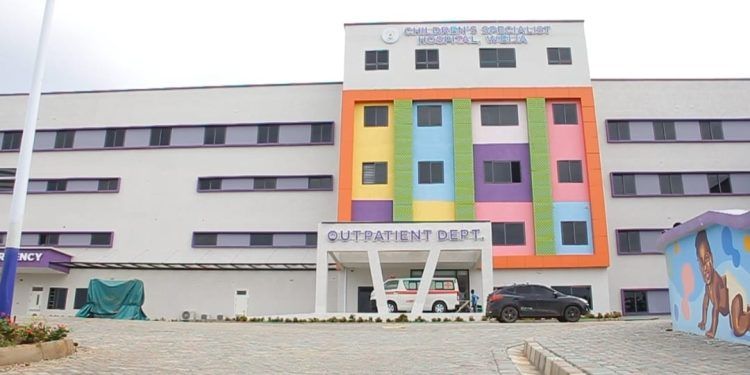
The dispute centers around the 100-bed pediatric hospital facility located in Weija, a suburb of Accra. The project, which began construction in 2018, was part of Ghana’s healthcare infrastructure expansion initiative aimed at improving pediatric care services in the Greater Accra region.
According to documents reviewed by reporters, the contractor handed over the facility to the Ministry of Health in December 2022 after final inspections were conducted. However, the hospital has remained unopened to patients, creating mounting public frustration in a community desperately in need of specialized children’s healthcare services.
Ministry officials recently claimed during a parliamentary committee hearing that the facility suffers from “structural defects” and “incomplete systems” that make it unsuitable for immediate use. The Deputy Minister for Health reportedly stated that “additional work and modifications” would be necessary before the hospital could safely serve patients.
The contractor vehemently denies these assertions, claiming they represent a “deliberate attempt to shift blame for administrative delays.” The construction firm has produced documentation showing that the facility received certification from both local building authorities and independent engineering assessors.
Healthcare infrastructure projects in Ghana have frequently been subject to delays and controversies. Industry analysts point to challenges including funding gaps, procurement irregularities, and coordination issues between government agencies as common problems affecting timely delivery and operationalization of health facilities.
Dr. Kwame Asante, a health policy expert at the University of Ghana, notes that this dispute illustrates a broader pattern. “We’ve seen similar situations with the University of Ghana Medical Centre and the Bank Hospital, where completed facilities remained unused for extended periods due to administrative bottlenecks rather than construction deficiencies,” he explained.
The Weija facility represents a significant investment in Ghana’s pediatric healthcare capacity. Designed specifically for children’s medical needs, the hospital includes specialized wards, modern diagnostic equipment, and dedicated surgical facilities that would substantially improve pediatric care options in the western part of Accra.
Community health advocates have expressed frustration over the continued closure. “Children in this area are being referred to already overcrowded facilities across the city while a new hospital stands empty,” said Martha Owusu, coordinator of the Weija Community Health Coalition. “The continued delays, regardless of who is at fault, are having real consequences for families seeking care.”
The contractor has given the Ministry of Health seven days to retract its statements or face legal proceedings for defamation and breach of contract. They have also called for an independent technical assessment of the facility to resolve the dispute.
Ministry officials declined to comment on the threatened legal action but indicated they would address the matter through appropriate channels.
This controversy unfolds against the backdrop of Ghana’s ongoing efforts to strengthen its healthcare infrastructure. The country has made significant investments in medical facilities over the past decade but continues to struggle with operational challenges that delay public access to completed projects.
Healthcare experts suggest that clearer protocols for project handover and facility commissioning could help avoid similar disputes in the future, ensuring that much-needed medical facilities do not remain idle after construction is completed.
Fact Checker
Verify the accuracy of this article using The Disinformation Commission analysis and real-time sources.

10 Comments
It’s disappointing to see this conflict over the completion of the Weija Paediatric Hospital. This type of infrastructure is so important, and I hope the ministry and contractor can work together to get the facility up and running as soon as possible.
This sounds like a serious dispute over the completion and quality of the Weija Paediatric Hospital project. The contractor seems to be adamant that they delivered on the contract, while the ministry has made claims to the contrary. It will be interesting to see how this legal battle plays out and what the true status of the hospital is.
I agree, disputes like this can get messy. Hopefully an amicable resolution can be reached that ensures the hospital is able to provide quality pediatric care as intended.
Contractual disputes in the construction industry can be complex, but this situation with the Weija Paediatric Hospital is concerning. I hope the two sides can set aside their differences and focus on the best interests of the community, which is access to quality pediatric care.
Agreed. The priority should be ensuring the hospital can fulfill its intended purpose, not getting bogged down in legal battles. A collaborative approach is likely the best path forward.
Infrastructure projects in developing countries often face challenges, but it’s concerning to hear allegations of “false and damaging” claims being made. Transparent communication and a fair assessment of the facts are key to resolving this issue and getting the hospital operational.
Absolutely. Both sides need to come together in good faith to find a solution that upholds the integrity of the project and ultimately serves the local community.
Contractual disputes are never easy, but it’s worrying to hear allegations of false claims being made, especially when it comes to a vital healthcare facility. I hope both parties can find a resolution that prioritizes the well-being of the community.
You make a good point. At the end of the day, the focus should be on ensuring this hospital can serve the pediatric population effectively, regardless of the behind-the-scenes issues.
This is an unfortunate situation. Healthcare infrastructure is so critical, especially for pediatric care. I hope the ministry and contractor can put aside their differences and work to get the hospital fully operational as soon as possible.