


Listen to the article
TikTok Influencer Ordered to Pay $10 Million for False Murder Accusations Against Professor
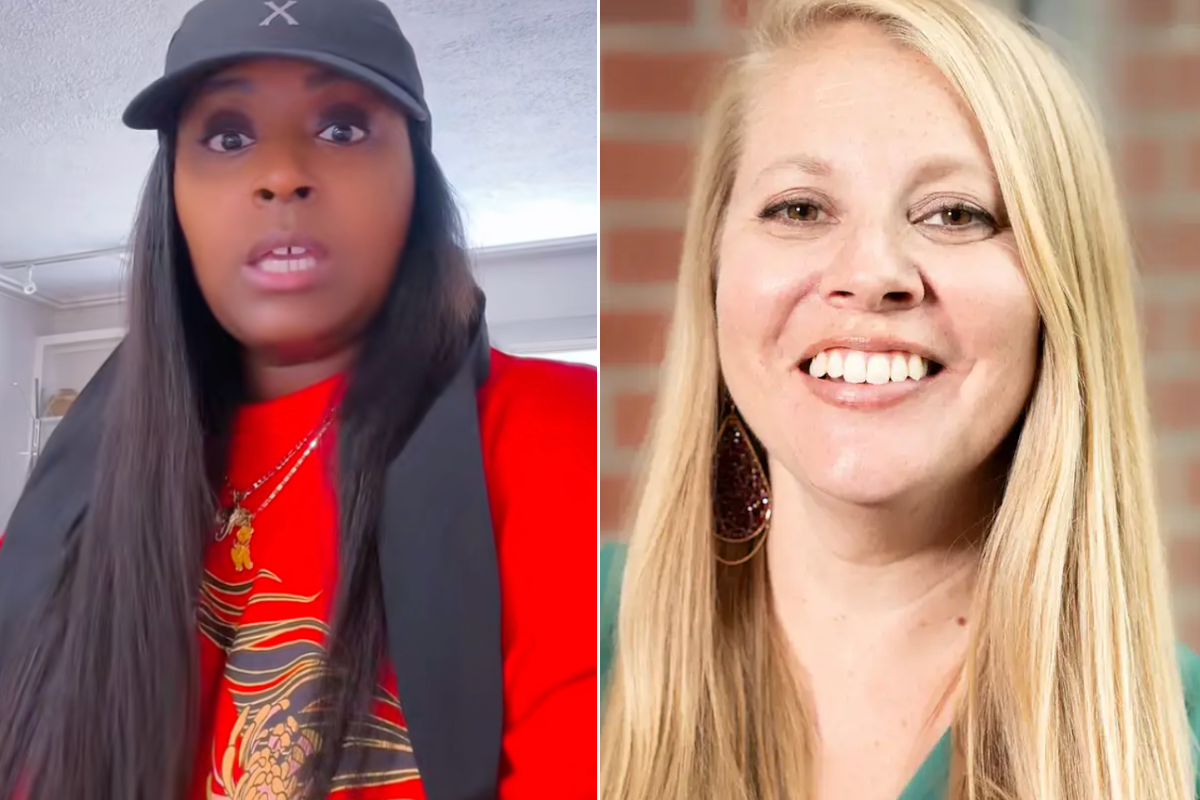
A federal jury in Boise has ordered TikTok influencer Ashley Guillard to pay $10 million in damages to University of Idaho history professor Rebecca Scofield after determining Guillard defamed the academic by falsely linking her to the 2022 murders of four college students.
After deliberating for less than two hours on Friday, the jury found Guillard liable for a series of unfounded accusations spread through her social media platform. The four-day trial focused solely on determining damages, as a judge had already ruled in June 2024 that Guillard’s statements were defamatory.
Guillard, 41, had amassed a following on TikTok by theorizing about high-profile criminal cases through what she described as “spiritual intuition,” often using tarot cards. Following the November 2022 murders in Moscow, Idaho, Guillard posted numerous videos falsely claiming Professor Scofield had orchestrated the killings after allegedly having a romantic relationship with one of the victims who supposedly threatened to expose the affair.
These allegations came despite the arrest of Bryan Kohberger just six weeks after the murders. Kohberger later pleaded guilty in July 2025 to killing students Ethan Chapin, 20, Madison Mogen, 21, Xana Kernodle, 20, and Kaylee Goncalves, 21, receiving a life sentence.
Court records show Guillard continued posting defamatory content even after receiving cease-and-desist letters from Scofield’s attorneys and after Moscow police publicly stated the professor was not a suspect. The influencer created more than 100 videos about the case, continuing until August 2025 – well after Kohberger had admitted guilt.
During emotional testimony, Scofield described how the false accusations devastated her life and career.
“There was a moment where it felt like I lost ownership of my face and my name, and it was no longer stitched to my body,” Scofield told jurors. “It was utterly terrifying.”
The professor testified that the accusations triggered severe anxiety, PTSD, and debilitating nerve pain throughout her body, making it difficult to fulfill her duties as chair of the university’s history department. She and her family avoided a campus vigil for the murder victims out of fear and felt isolated from their community.
Confronting Guillard directly in court, Scofield said: “You spoke lies into a camera, about me and my husband. You were making dozens of videos about me, someone you never met, you never talked to, someone you had no connection to. I don’t know how anyone could not feel threatened by that level of interest from someone they had never met.”
Representing herself at trial, Guillard called only one witness – herself. She testified that she believed she possessed psychic abilities learned through YouTube videos, numerology, and self-study. She claimed her videos were intended to raise awareness and push authorities to investigate potential leads.
“I kind of lost a little bit of hope that she would be investigated, but something in me wouldn’t allow me to give up,” Guillard told the court.
Chief U.S. Magistrate Judge Raymond Patricco had previously found that Guillard’s accusations were based “only” on her “spiritual intuition” and not on “any objective basis.”
The jury’s $10 million award includes $6.5 million for false accusations related to the murders and $3.5 million for claims of an inappropriate relationship with a student. The bulk of the damages – $7.5 million – were punitive, intended to deter similar conduct by others in the future. The remaining amount covered medical costs and emotional distress.
“The $10 million verdict reinforces the judge’s decision and sends the clear message that false statements online have consequences in the real world for real people and are unacceptable in our community,” Scofield said in a statement after the verdict.
The case highlights the growing legal consequences for social media influencers who spread misinformation, particularly during high-profile criminal investigations where unfounded accusations can cause significant harm to innocent individuals.
“The murders of the four students on November 13, 2022, was the darkest chapter in our university’s history,” Scofield added. “Today’s decision shows that respect and care should always be granted to victims during these tragedies.”
Fact Checker
Verify the accuracy of this article using The Disinformation Commission analysis and real-time sources.

9 Comments
While I understand the desire to speculate about high-profile cases, making unfounded accusations can have serious consequences. This ruling demonstrates the importance of verifying information and being responsible with one’s platform, especially when dealing with sensitive matters.
It’s concerning to see how easily misinformation can spread on platforms like TikTok. Influencers need to be more careful about verifying information before making serious accusations, especially in ongoing criminal investigations. This hefty fine should serve as a lesson for others.
While social media can be a powerful tool for sharing information, it’s clear that it can also be abused to spread misinformation and defamation. This case highlights the need for better regulation and oversight to ensure responsible use of these platforms.
This is a troubling case that demonstrates the real-world consequences of spreading misinformation online. I hope it serves as a lesson for all social media users to be more diligent about verifying information before sharing it, especially when it comes to sensitive topics like criminal investigations.
This is a sobering example of how damaging false claims can be, even when made by an individual with a large online following. I’m glad the court took this seriously and held the TikTok influencer accountable. It’s a reminder that we all need to be cautious about what we share online.
Wow, $10 million is a hefty price to pay for spreading false claims on social media. This TikTok influencer clearly crossed the line and must be held accountable for defaming an innocent professor. Responsible journalism and fact-checking are crucial, especially in sensitive cases like this.
I hope this ruling sends a strong message that there are real consequences for disseminating misinformation, even on social media. Responsible reporting and fact-checking are essential, especially when dealing with sensitive criminal cases. Influencers must be held to the same standards as traditional media.
This case highlights the importance of media literacy and critical thinking when consuming online content. While social media can be a powerful tool, it also allows for the rapid spread of false narratives. I’m glad the court upheld the need for accountability in this instance.
This case serves as a stark reminder that there are real-world implications for spreading false information online. I hope it encourages more critical thinking and fact-checking when it comes to crime reporting and analysis, even on social media platforms.