


Listen to the article
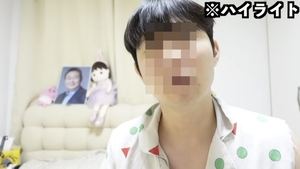
South Korean police have referred a popular Japan-based YouTuber to prosecutors for allegedly spreading false information that portrayed South Korea as a dangerous country, officials announced Friday.
The YouTuber, identified only by his surname Jo, faces charges of violating the Framework Act on Telecommunications after posting a video in October that made alarming claims about safety in South Korea. The video, which was uploaded in Japanese, has raised concerns about potentially stoking anti-Korean sentiment among Japanese viewers.
In the controversial content, Jo claimed that 37 unidentified bodies with severed upper torsos had been discovered in South Korea. He further alleged that 80,000 people were missing and suggested Korean authorities were secretly handling 150 cases without public disclosure.
The National Police Agency’s investigation revealed these claims were largely fabricated or severely distorted. Jo reportedly based his assertions on an anonymous online comment from someone claiming to be a Korean prosecutor, though this identity was never verified.
“The suspect manipulated official data and referenced an incident that occurred 12 years ago to create a false narrative,” a police spokesperson said. “This kind of misinformation can seriously damage South Korea’s international reputation and security concerns.”
Official statistics paint a dramatically different picture from Jo’s claims. While approximately 71,854 missing person reports were filed in 2024, authorities resolved 71,703 cases within the same year, with most individuals being quickly located and accounted for.
The case highlights growing concerns about the spread of misinformation through social media platforms. Jo has amassed nearly one million subscribers on his YouTube channel, giving him a significant platform to influence public opinion about South Korea among Japanese audiences.
Tensions between South Korea and Japan have historically been complicated by territorial disputes, historical grievances, and occasional flare-ups of nationalist sentiment. Misinformation spread through popular social media channels risks exacerbating these tensions at a time when both governments have been working to improve bilateral relations.
South Korean authorities have taken the unusual step of requesting the seizure of profits Jo earned from the controversial video, signaling a more aggressive approach to combating international misinformation targeting the country.
The Framework Act on Telecommunications, under which Jo is being charged, prohibits the spread of false information through telecommunication networks that could harm the public interest. If convicted, Jo could face fines or imprisonment, though the case has been referred to prosecutors without detention.
Digital media experts note this case represents part of a broader global challenge of addressing misinformation across borders, where content creators in one country can spread false narratives about another with limited accountability.
Jo has denied allegations that he knowingly spread false information, maintaining that he was simply reporting on claims he had encountered online. His defense underscores the challenges authorities face in establishing intent when prosecuting misinformation cases.
The case now rests with prosecutors who will determine whether to indict Jo based on the evidence collected by the National Police Agency. Regardless of the legal outcome, the incident has already drawn attention to the potential real-world impact of unverified claims in the digital space and the responsibility of content creators with large followings.
Fact Checker
Verify the accuracy of this article using The Disinformation Commission analysis and real-time sources.

19 Comments
False claims about safety and missing persons are extremely serious. I’m relieved the authorities are taking this matter seriously and addressing the YouTuber’s irresponsible behavior. Responsible reporting is crucial.
Spreading unverified information, especially about sensitive topics, can have dangerous consequences. I hope this serves as a lesson about the importance of verifying facts before publishing content.
This case highlights the need for greater scrutiny of online content, especially when it comes to sensitive topics. I’m glad the authorities are taking action to address the YouTuber’s irresponsible behavior.
Spreading disinformation and making false claims about public safety is a serious matter. I’m relieved the authorities are holding the YouTuber accountable and addressing this issue.
Responsible content creation should always prioritize accuracy and fact-checking. Sensationalizing stories with unverified claims can have real-world consequences that shouldn’t be taken lightly.
This case highlights the need for greater scrutiny of online content, especially when it comes to sensitive topics. I’m glad the authorities are taking action to address the YouTuber’s irresponsible behavior.
Spreading disinformation and making false claims can be very damaging, especially when it involves portraying a country as unsafe. I’m glad the authorities are taking this seriously and holding the YouTuber accountable.
Fabricating stories and distorting facts is irresponsible, especially when it has the potential to incite anti-Korean sentiment. Fact-checking is crucial to prevent the spread of misinformation.
This is a concerning case of misinformation and fearmongering. I’m glad the authorities are investigating and holding the YouTuber accountable. Fact-checking and transparency are essential, especially for influential online figures.
It’s concerning to see someone use their platform to spread misinformation and potentially incite anti-Korean sentiment. I hope this case serves as a wake-up call about the importance of responsible content creation.
Fabricating stories and distorting facts is extremely irresponsible, especially when it involves sensitive issues like public safety. I commend the authorities for their swift response and investigation.
Responsible content creators should prioritize accuracy and transparency. Spreading unverified claims, even if they are intended to be sensational, can have serious consequences.
It’s concerning to see someone use their platform to spread misinformation that could potentially incite anti-Korean sentiment. I’m glad the authorities are taking action to hold the YouTuber accountable.
Fabricating stories and distorting facts is extremely irresponsible, especially when it involves sensitive issues like public safety. I commend the authorities for their swift response and investigation.
Responsible content creators should prioritize accuracy and transparency. Spreading unverified claims, even if they are intended to be sensational, can have serious consequences.
It’s troubling to see someone use their platform to peddle such blatantly false claims. I hope this serves as a wake-up call about the importance of verifying information before publishing it, especially on sensitive topics.
Spreading disinformation can have real consequences, so I’m glad the authorities are taking action. Responsible content creators should prioritize accuracy and avoid sensationalism.
Spreading disinformation and making false claims about public safety is a serious matter. I’m relieved the authorities are holding the YouTuber accountable and addressing this issue.
Responsible content creation should always prioritize accuracy and fact-checking. Sensationalizing stories with unverified claims can have real-world consequences that shouldn’t be taken lightly.