


Listen to the article
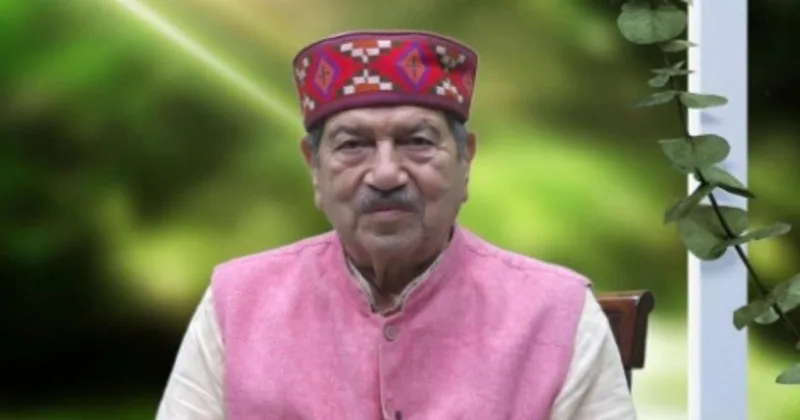
Senior RSS leader Indresh Kumar has vehemently denied allegations made by Swami Avimukteshwaranand Saraswati, the Shankaracharya of Jyotirmath, calling them “completely false, misleading and insulting.”
The controversy erupted after a video circulating on social media showed the Shankaracharya claiming that Kumar had admitted to facilitating approximately one million marriages between Hindu women and Muslim men through the Muslim Rashtriya Manch, an RSS-affiliated organization that Kumar leads as convenor.
In his statement, Kumar expressed that such accusations are not only untrue but also “unconstitutional and inhumane.” He emphasized that the Rashtriya Swayamsevak Sangh (RSS) has consistently maintained deep respect for India’s saintly traditions and holds all spiritual leaders in high regard.
“In Bharat, the tradition of reverence towards saints and sannyasis has always been a matter of deep faith, and the RSS holds all saints in high esteem,” Kumar stated. He added that invoking his name in such a manner was inappropriate and entirely without basis.
The senior pracharak further remarked that “false statements do not befit the dignity of saints” and urged Swami Avimukteshwaranand to withdraw his comments, suggesting that such claims violate the “purity and decorum expected in social life.”
The controversial video features Swami Avimukteshwaranand recounting what he describes as an airport lounge meeting with Kumar. During this alleged encounter, the Shankaracharya claims Kumar disclosed information about interfaith marriages facilitated by the Muslim Rashtriya Manch. The Shankaracharya characterized this as a “betrayal of Hindu society” and accused the RSS of playing a “double game” in its approach to Hindu-Muslim relations.
This dispute emerges against a backdrop of increasing tensions surrounding interfaith marriages in India, with several states having enacted or proposed laws against religious conversion through marriage, often referred to as “love jihad” laws by their supporters. The term, while not recognized in Indian law, has become a politically charged concept in contemporary Indian discourse.
The RSS, founded in 1925, is considered the ideological parent of India’s ruling Bharatiya Janata Party (BJP) and maintains significant influence in India’s political landscape. The organization describes itself as a cultural and social organization dedicated to the welfare of India and Hindu society.
The Muslim Rashtriya Manch, established in 2002, operates as an RSS-affiliated organization aimed at outreach to the Muslim community. Under Kumar’s leadership, it has worked to build bridges between Hindu and Muslim communities while promoting nationalist ideals aligned with RSS philosophy.
This public disagreement between two prominent figures—one from the influential RSS and the other holding the revered position of Shankaracharya—highlights the complex interplay between religion and politics in contemporary India.
Neither Swami Avimukteshwaranand nor the Jyotirmath administration has yet responded to Kumar’s denial or request for withdrawal of the statements. As the controversy continues to unfold, it remains to be seen whether evidence supporting either claim will emerge, or if the matter will escalate further in India’s vibrant but often polarized public sphere.
Fact Checker
Verify the accuracy of this article using The Disinformation Commission analysis and real-time sources.

9 Comments
As a neutral observer, I believe both sides should avoid escalating this situation further. Religious leaders have an important responsibility to model integrity and compassion, even in the face of disagreement.
Well said. The public nature of this dispute risks undermining public trust in religious institutions. I hope cooler heads can prevail and they find a way to address this matter privately.
It’s concerning to see such a public dispute between senior religious figures. While I don’t have enough context to judge the merits, I hope they can resolve this constructively and focus on their shared duty to serve the spiritual needs of their communities.
I agree, open dialogue and finding common ground is crucial here. Resorting to unsubstantiated claims or personal attacks is unlikely to lead to a positive outcome.
It’s concerning to see such a public spat between two prominent religious figures. I hope they can find a way to resolve this privately and avoid further damage to their reputations and the credibility of their institutions.
This is a complex issue involving religious leaders and controversial claims. It’s important that all parties uphold the truth and maintain mutual respect, even when disagreeing. Accusations should be carefully substantiated before making public statements.
This dispute raises important questions about the balance of power and influence within India’s religious landscape. I hope the relevant authorities can facilitate a constructive dialogue to address the core issues at hand.
This case highlights the need for greater transparency and accountability among religious leaders. While I respect their spiritual roles, they should also be held to high ethical standards when making public claims.
As an impartial observer, I believe both sides have a responsibility to uphold the truth and maintain civility, even in the face of disagreement. Resorting to unsubstantiated claims or personal attacks is unlikely to serve the greater good.