


Listen to the article
A federal jury in Latah County, Idaho, has ordered TikTok influencer Ashley Guillard to pay $10 million in damages to University of Idaho Professor Rebecca Scofield for defamatory statements made in the aftermath of the 2022 Moscow murders.
The jury delivered its verdict on Friday, February 27, concluding that Guillard made false statements claiming that Scofield, an Associate Professor of History and Department Chair at the university, had “orchestrated the murder of four students” and “had an inappropriate romantic relationship with a student.”
Court records reveal that Guillard, who represented herself throughout the legal proceedings, used TikTok videos featuring tarot card readings to spread these unfounded accusations. The videos gained significant traction online, amassing millions of views and causing substantial damage to Scofield’s reputation.
Prior to the jury’s deliberation on damages, a federal judge had already ruled that Guillard’s videos were defamatory in nature. The jury was tasked with determining appropriate compensation, ultimately awarding $3.5 million for the false claims regarding an inappropriate relationship with a student and $6.5 million for the murder allegations.
The case highlights the growing legal consequences for false information spread on social media platforms. TikTok, with its algorithm-driven content distribution and potential for rapid virality, has become a particularly powerful vector for both information and misinformation.
In response to the verdict, Professor Scofield expressed gratitude to the jury and emphasized the real-world impact of online falsehoods. “The $10 million verdict reinforces the judge’s decision and sends the clear message that false statements online have consequences in the real world for real people and are unacceptable in our community,” she stated.
Scofield also addressed the broader context of the tragedy, noting that the November 2022 murders represented “the darkest chapter in our university’s history” and that the verdict underscores the importance of showing “respect and care” to victims during traumatic events.
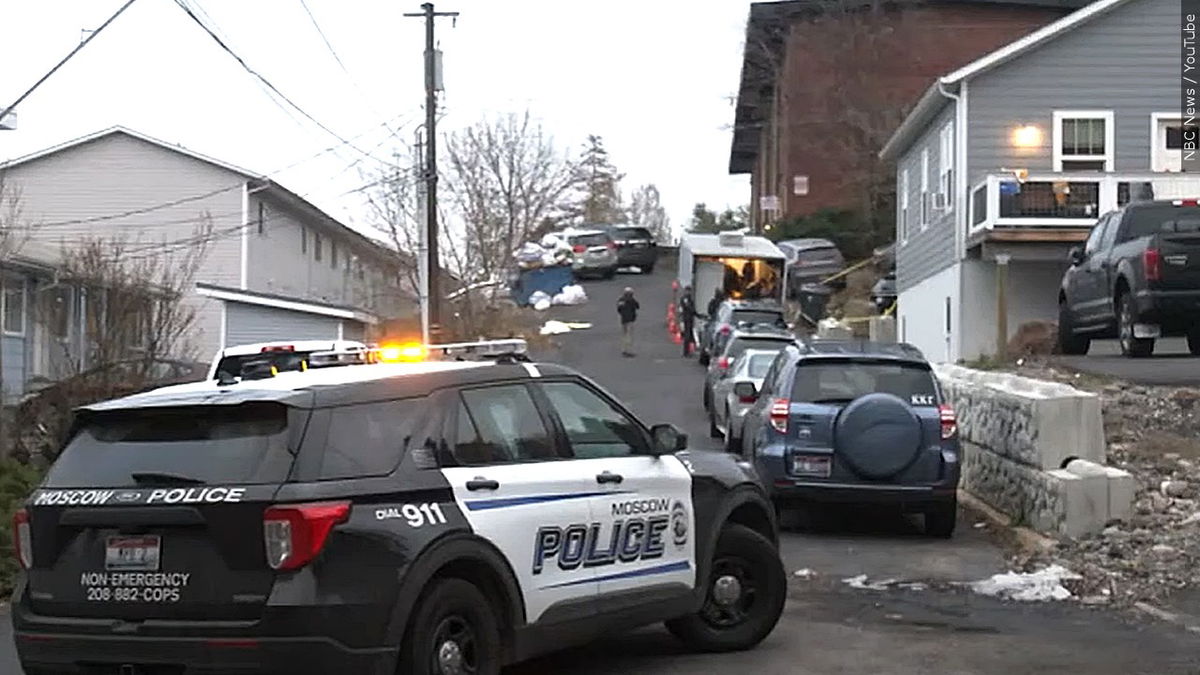
The 2022 Moscow murders sent shockwaves through the small college town and gained national attention. Four University of Idaho students were killed in an off-campus residence, creating fear and uncertainty throughout the community. In the information vacuum that followed, various online theories and accusations emerged, with some content creators capitalizing on the public interest.
United States District Court Judge Raymond E. Patricco presided over the case, which now joins a growing body of legal precedents addressing defamation in the social media age. Legal experts note that such cases are becoming more common as courts grapple with balancing free speech protections against the harm caused by false statements amplified through digital platforms.
This verdict comes amid other legal proceedings related to the Moscow murders. In a separate but related development, Bryan Kohberger, who faces charges in connection with the killings, has been ordered to pay $3,000 to the victims’ families.
For Professor Scofield, the conclusion of the case represents a potential return to normalcy after a difficult period. “I am hopeful that this difficult chapter in my life is over and I can return to a more normal life with my family and the wonderful Moscow community,” she said in her statement following the verdict.
The case serves as a stark reminder that content creators, regardless of platform or audience size, can face substantial legal and financial consequences for spreading false information about individuals, particularly in the context of tragic events.
Fact Checker
Verify the accuracy of this article using The Disinformation Commission analysis and real-time sources.

7 Comments
Wow, $10 million is a hefty penalty. It’s good to see the court taking these kinds of defamatory statements seriously and sending a strong message. Influencers need to be more responsible with the power they wield online.
I agree. Platforms like TikTok need to do more to crack down on the spread of misinformation, especially when it leads to real-world harm. This should be a wake-up call for irresponsible influencers.
This case is a stark reminder of the real-world consequences of online falsehoods. While freedom of speech is important, it shouldn’t be used as a shield for malicious lies. Influencers need to be held accountable for the impact of their actions.
It’s disturbing to see how easily false narratives can gain traction on social media. This case underscores the need for greater digital literacy and a more responsible approach to sharing information online. Fact-checking and accountability should be the norm, not the exception.
While I’m glad the court took action, I worry this won’t be enough to deter similar behavior in the future. Platforms need to do more to proactively identify and remove harmful misinformation before it spreads. Otherwise, we’ll continue to see these kinds of damaging incidents.
You make a fair point. Isolated legal actions may not be enough to address the broader issue. A more comprehensive, systemic approach is needed to tackle the root causes of misinformation on social media.
This case highlights the need for greater accountability on social media platforms. Spreading false claims, especially ones that damage someone’s reputation, should have serious consequences. While free speech is important, it shouldn’t be a shield for malicious misinformation.