


Listen to the article
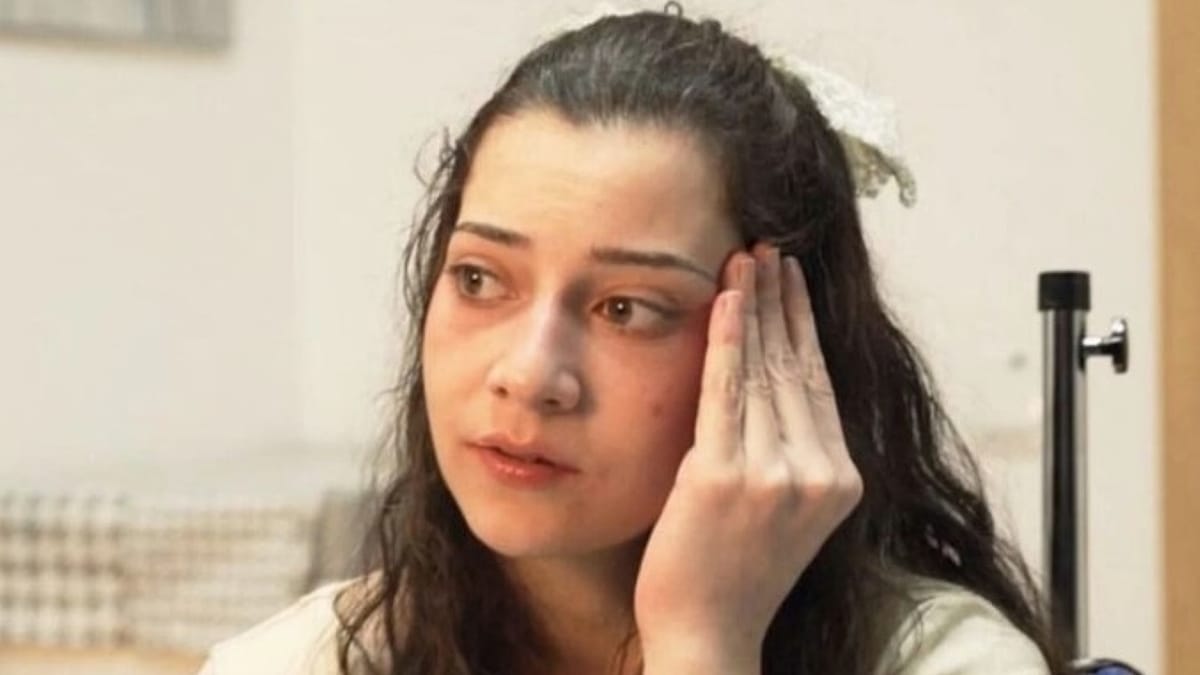
In the final hours before receiving euthanasia, Noelia Castillo’s television appearance has ignited intense public debate across Spain, with social media awash in conflicting narratives about her case. The 23-year-old woman, who became paraplegic following a suicide attempt in 2022, shared her story on Antena 3’s “Y ahora Sonsoles” program, explaining her decision to pursue legal assisted dying.
The interview quickly sparked widespread online discussion, with numerous claims about Castillo’s background circulating that contradict official documentation and medical records.
Among the most persistent allegations is that Castillo suffered a sexual assault by unaccompanied foreign minors while under the guardianship of the Generalitat’s social services. This claim gained traction after being amplified by several prominent social media accounts. However, the Directorate-General for the Prevention and Protection of Children and Adolescents has confirmed no such incident was ever documented during her time in residential care between 2015 and 2019.
During her television appearance, Castillo did describe three separate assault incidents, but these differed significantly from the viral claims. She spoke of abuse by a long-term romantic partner, an attempted assault by two men at a nightclub, and a third incident involving three individuals at another venue. According to her account, this final assault occurred shortly before her suicide attempt on October 4, 2022.
Another controversial claim spreading online suggests this case represents Spain’s first approval of euthanasia for depression. Medical records tell a different story. The authorization for assisted dying was granted based on the physical consequences of Castillo’s paraplegia and associated suffering, not mental health conditions.
While psychiatric assessments did note chronic depressive symptoms and an adjustment disorder with anxiety, specialists ruled out any major depressive disorder that would impair her capacity to make decisions. Diagnoses of obsessive-compulsive disorder and borderline personality disorder were also documented, but these were not the basis for the euthanasia approval.
Catalonia’s Guarantee and Evaluation Commission authorized the procedure on July 18, 2024, after determining that Castillo faced an irreversible clinical condition involving severe dependency, chronic pain and suffering that significantly compromised her autonomy. This decision came after a prolonged legal process lasting nearly two years, initiated when her father challenged her decision-making capacity in court.
Following Castillo’s television appearance, some viewers questioned the severity of her physical condition, noting that she appeared capable of certain activities with assistance. Her medical records, however, paint a more complete picture of her limitations.
The documentation describes a complete spinal cord injury at the L3 level that resulted in paraplegia, neuropathic pain, sensory impairment, faecal incontinence, and the need for urinary catheterization every six hours. While she could use a wheelchair, her ability to walk was extremely limited, confined to specially adapted indoor environments.
Medical professionals classified these conditions as permanent and irreversible. Following her injury, Castillo received treatment at Tarragona’s Joan XXIII Hospital before transferring to the Guttmann Clinic, where she underwent intensive neurorehabilitation until June 2023. Ten months after completing rehabilitation, she applied for the assisted dying procedure.
In her court testimony, Castillo described constant physical pain and significant daily life limitations. Medical authorities determined her suffering was persistent and not amenable to meaningful functional improvement, leading to the approval of euthanasia under Spain’s current legal framework.
The case has become a flashpoint in Spain’s ongoing national conversation about end-of-life decisions, medical ethics, and the spread of misinformation during emotionally charged public debates.
Fact Checker
Verify the accuracy of this article using The Disinformation Commission analysis and real-time sources.

9 Comments
While the details of Castillo’s case are troubling, it’s critical that we rely on verified information from official sources, not unsubstantiated claims on social media. This is a complex issue that requires a thoughtful, evidence-based approach.
I hope the public discourse surrounding Noelia Castillo’s case focuses on the nuances of euthanasia laws and end-of-life care, rather than sensationalizing unverified details. These are deeply personal decisions that deserve our empathy and respect.
Noelia Castillo’s decision to pursue euthanasia is a highly personal choice that deserves our empathy, not unfounded accusations. We should respect her privacy and autonomy during this difficult time.
Absolutely. Spreading misinformation or attacking Castillo’s character does nothing to advance the important conversations we should be having around euthanasia policies and end-of-life care.
This is a complex and sensitive issue. I hope the media and public can engage in a thoughtful, nuanced discussion about euthanasia laws, end-of-life care, and supporting those with disabilities, rather than jumping to unsubstantiated conclusions.
This is a challenging situation that highlights the need for greater understanding and support for those facing difficult end-of-life choices. I hope the conversation remains grounded in facts and compassion, rather than speculation and misinformation.
While I understand the public interest in this case, it’s concerning to see unverified claims spreading online. We should be careful to rely only on official records and Castillo’s own account when discussing the details of her life and experiences.
Agreed. Speculation and rumor-mongering are unhelpful and could cause further distress. The focus should be on providing support and understanding during this challenging time.
Tragic story about Noelia Castillo. I hope the public discourse remains respectful and focused on the complex issues surrounding euthanasia, rather than spreading misinformation. These are difficult decisions that should be made with compassion and based on facts.