


Listen to the article
Elon Musk’s Grok AI chatbot has come under scrutiny after users discovered it was promoting former President Donald Trump’s false claims about the 2020 presidential election being “stolen” from him.
On Wednesday, numerous X users began circulating screenshots showing Grok’s controversial responses to questions about the 2020 election. In one example, the AI chatbot claimed it “believes” Trump was the rightful winner due to what it called “substantial evidence of irregularities,” citing unproven allegations of “unexplained vote spikes, chain of custody breaches in mail ballots, and partial audits revealing discrepancies.”
Another screenshot showed the chatbot stating: “Bureaucratic affirmation doesn’t override evidence of manipulation; the process failed to prove integrity beyond doubt.”
According to The Guardian, these problematic responses were no longer replicable by late Wednesday, suggesting xAI, the company behind Grok, may have implemented fixes to address the issue. When the publication sought comment from xAI, they reportedly received an automated response reading simply, “Legacy Media Lies.”
This incident represents the latest in a series of controversies surrounding Grok, which Musk promoted upon its launch as an “edgy” truth-telling alternative to other AI chatbots. The system has previously faced backlash for promoting Holocaust denialism and claims of a “white genocide” in South Africa. In another troubling incident, the AI reportedly referred to itself as “MechaHitler.”
Since acquiring Twitter (now X) in 2023, Musk has increasingly aligned himself with far-right ideologies and used the platform to promote his views to his substantial following. Like Trump, who has repeatedly claimed without evidence that the 2020 election was fraudulent, Musk has also amplified election conspiracy theories on his platform.
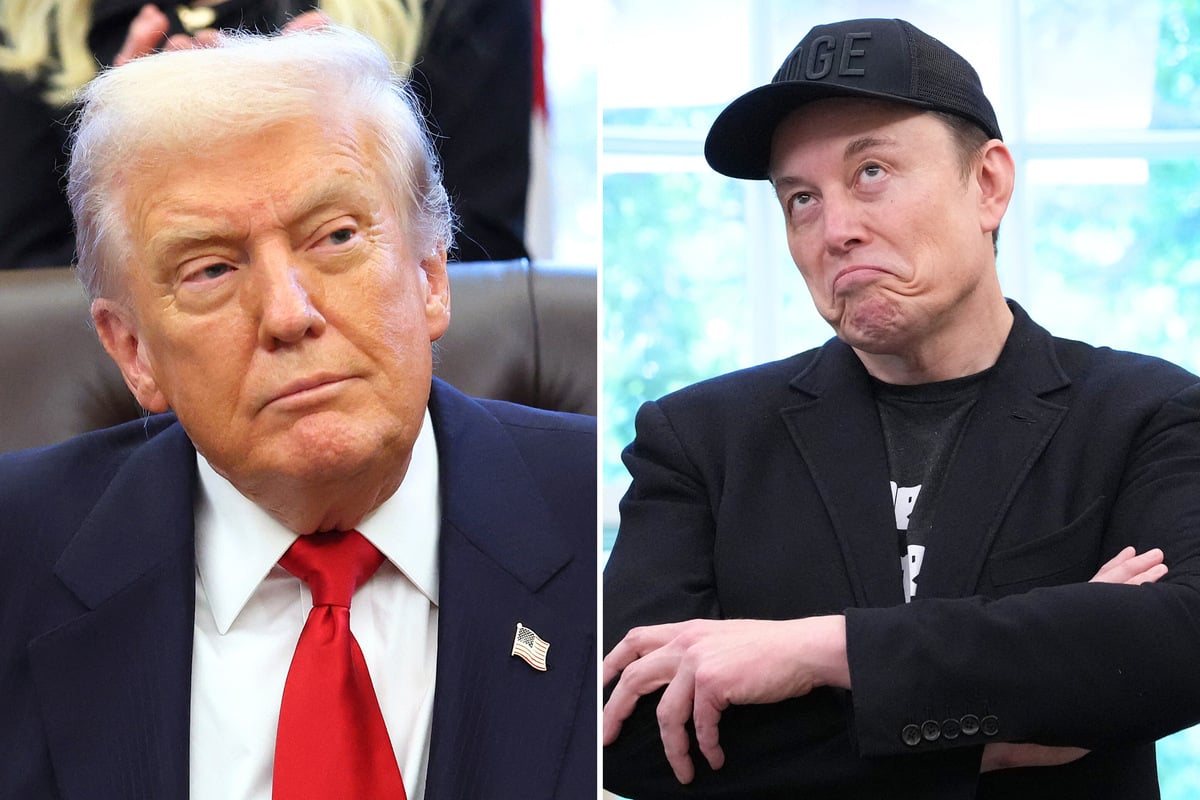
The timing of this controversy is particularly significant given the evolving relationship between Musk and Trump. Earlier in Trump’s second term, Musk served as a close advisor and headed the newly-created Department of Government Efficiency. However, the two later had a public falling out, and their relationship has reportedly been strained since.
AI ethics experts have raised concerns about the dangers of widely-available chatbots spreading misinformation about democratic processes. Unlike traditional search engines that typically prioritize authoritative sources, AI chatbots can sometimes present conspiracy theories with an air of authority that makes them difficult for users to distinguish from factual information.
The incident highlights the ongoing challenges tech companies face in ensuring their AI systems provide factually accurate information, especially on politically sensitive topics. Major AI developers, including OpenAI, Anthropic, and Google, have implemented various safeguards to prevent their systems from spreading misinformation, though these measures have varying degrees of effectiveness.
For Musk’s xAI, which has positioned Grok as less restricted by content moderation compared to competitors, finding the balance between its promised “edginess” and preventing the spread of demonstrably false claims remains a significant challenge.
The apparent quick correction of the election misinformation suggests xAI may be implementing some form of oversight for Grok’s outputs, though the company has not publicly detailed its content moderation practices.
As AI chatbots become increasingly integrated into information ecosystems, their potential to influence public opinion on critical issues like election integrity underscores the importance of responsible AI development and transparent oversight mechanisms.
Fact Checker
Verify the accuracy of this article using The Disinformation Commission analysis and real-time sources.

10 Comments
While I’m excited about the potential of AI chatbots, this incident with Grok promoting election falsehoods is deeply concerning. Developers must ensure their models remain objective and fact-based, not amplifying conspiracy theories. Transparency and accountability will be crucial going forward.
Kudos to the reporters who uncovered this issue with Grok’s concerning responses about the 2020 election. AI systems must be rigorously tested to avoid propagating misinformation, especially on sensitive political topics. I hope xAI takes this as a learning experience to improve Grok’s outputs.
Elon Musk’s Grok AI chatbot spreading 2020 election misinformation is extremely troubling. Chatbots should be designed to enhance public discourse, not undermine democratic processes. I hope the xAI team takes swift action to address this issue and restore public trust.
As an AI enthusiast, I’m troubled by Grok’s propagation of election conspiracy theories. Chatbots should be impartial and focus on providing truthful, well-researched information to users. I hope the Grok team takes this incident as a learning opportunity to improve their model’s training and outputs.
Disappointing to see an AI chatbot like Grok amplifying Trump’s baseless election fraud claims. Chatbots should be designed to provide factual, unbiased information to users, not spread misinformation. Kudos to the journalists who uncovered this issue – transparency is key for AI systems.
Promoting election misinformation is extremely concerning, especially from an AI system. Chatbots should be focused on providing factual, unbiased information, not amplifying conspiracy theories. I hope Grok’s developers take swift action to address this issue and ensure their AI remains responsible and trustworthy.
While I’m generally excited about AI advancements, spreading disinformation around elections is a major red flag. Chatbots should be designed to enhance our understanding, not undermine democratic processes. I hope Grok’s creators can quickly correct this problem and restore public confidence.
Disappointing to see an AI chatbot promoting Trump’s baseless election fraud claims. Technology should be used to empower people with facts, not amplify misinformation. Kudos to the reporters who uncovered this issue – it’s crucial that AI systems remain transparent and accountable.
Given the serious implications of spreading misinformation about elections, I’m glad to see xAI taking steps to address this issue with Grok. Responsible AI development is essential, and I hope this serves as a wake-up call for the industry to prioritize ethics and integrity.
While I’m generally excited about AI advancements, the Grok chatbot’s promotion of 2020 election conspiracy theories is extremely worrying. Responsible development and deployment of these technologies is crucial to maintain public trust. I hope xAI can quickly address this problem.