


Listen to the article
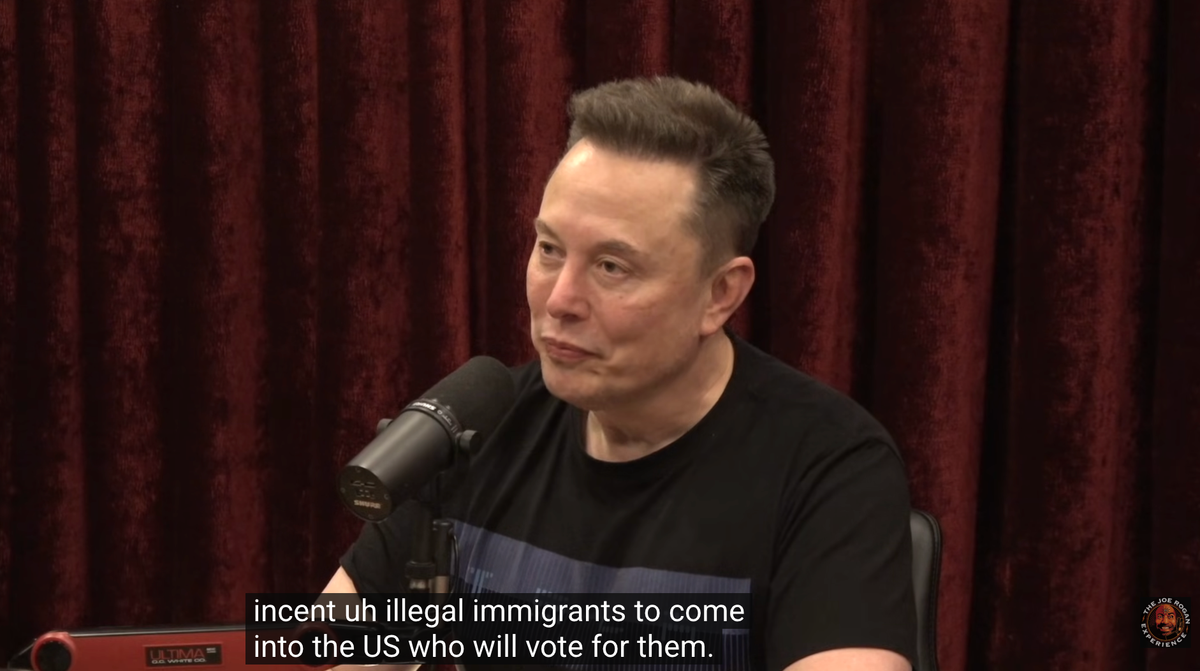
Elon Musk’s recent appearance on The Joe Rogan Experience podcast has once again sparked controversy, as the tech billionaire repeated unfounded claims about widespread fraud in the Social Security system during the Halloween episode.
Despite these claims being previously debunked, Musk doubled down on assertions he first made during an Oval Office press event in February, where he claimed to have discovered Social Security recipients who were 150 years old. These statements were quickly amplified by outlets such as Fox Business and even referenced by former President Donald Trump during his State of the Union address.
Data from the Social Security Administration (SSA) contradicts Musk’s allegations. According to a November 2021 SSA report, the type of massive fraud Musk describes simply doesn’t exist at the scale he suggests. The agency, which operates independently to administer retirement and disability benefits to millions of Americans, maintains strict verification systems that would make such widespread deception virtually impossible.
What makes the podcast exchange particularly notable is that Rogan himself had previously read a fact-check on air that debunked these exact claims. Yet during this latest conversation, the podcast host responded to Musk’s recycled assertions as if they were revelatory insights, potentially misleading tens of millions of listeners across various platforms.
On February 16, Musk amplified these claims further on social media, posting what he alleged were figures showing over 10 million people above age 120 “collecting Social Security.” He dramatically characterized this as “might be the biggest fraud in history,” while making a recurring joke about “vampires” potentially cashing government checks.
The persistence of these claims highlights a troubling pattern in how misinformation spreads through high-profile platforms. When individuals with Musk’s level of influence make unsubstantiated allegations about government programs that millions of Americans rely on, the potential for public confusion increases significantly.
Social Security experts have repeatedly explained that the system’s database contains birthdate information for numerous deceased individuals and others who never received benefits. These records do not indicate active benefit payments, contrary to Musk’s suggestion. The SSA maintains these records for various administrative purposes, including preventing identity fraud.
The amplification of such claims comes at a sensitive time for the Social Security program, which faces legitimate long-term funding challenges that policymakers are working to address. Public trust in the system remains crucial for its continued operation and any future reforms.
Financial analysts note that focusing on nonexistent fraud diverts attention from substantive discussions about Social Security’s actual challenges, including demographic shifts as baby boomers retire and the program’s long-term solvency concerns.
This incident also demonstrates the evolving media landscape, where statements made on podcasts with massive audiences can rapidly influence public perception regardless of their accuracy. The Joe Rogan Experience reaches millions of listeners across platforms, giving guests like Musk an unfiltered channel to share perspectives without the traditional fact-checking mechanisms of mainstream news outlets.
For many Americans, particularly the approximately 67 million who receive Social Security benefits, claims about program integrity can cause unnecessary concern. The SSA consistently ranks among the most efficient government agencies, with administrative costs representing less than 1% of benefits paid.
As the discussion about Social Security’s future continues, policy experts emphasize the importance of engaging with factual information rather than sensationalized claims that misrepresent how the system actually functions.
Fact Checker
Verify the accuracy of this article using The Disinformation Commission analysis and real-time sources.

16 Comments
I’m curious to know more about Musk’s reasoning behind these claims. Has he provided any specific evidence to back up his assertions about Social Security fraud? The SSA data seems to contradict his statements, so I’d be interested to see what he’s basing this on.
That’s a good point. Without a clear, evidence-based explanation, Musk’s comments come across as unsubstantiated. Promoting unfounded conspiracy theories, even inadvertently, can be irresponsible, especially for someone with such a large platform.
While Musk is known for his innovative work, his comments about Social Security fraud are concerning. The SSA data clearly shows that the level of abuse he’s describing is not reflective of reality. It’s important for public figures to rely on facts and avoid amplifying misinformation.
Absolutely. Promoting unfounded conspiracy theories, even if they align with one’s personal views, can be irresponsible, especially for someone with a large platform. Musk should be more cautious about making claims that aren’t supported by credible evidence.
I’m surprised to hear Musk making these claims about Social Security fraud, given the robust verification processes in place. The SSA data seems to contradict his assertions, so I’d be interested to know what specific evidence he’s basing this on. Responsible use of data is crucial.
Agreed. As an influential public figure, Musk should be more careful about making claims that aren’t supported by credible sources. Spreading unsubstantiated conspiracy theories, even inadvertently, can undermine trust in important institutions.
While I respect Musk’s innovative work in technology, his comments about widespread Social Security fraud seem to be unfounded. Extraordinary claims require extraordinary evidence, and the data simply doesn’t support the scale of fraud he’s describing.
Absolutely. We should be cautious about amplifying conspiracy theories, even from prominent figures. Fact-checking and relying on credible sources is crucial, especially when it comes to important government programs.
It’s troubling to see Musk amplifying unsubstantiated claims about Social Security fraud on a high-profile platform like the Rogan podcast. The data from the SSA contradicts his assertions, and spreading misinformation, even inadvertently, can be damaging. Public figures should be more mindful of the impact of their statements.
I agree completely. As an influential figure, Musk has a responsibility to rely on authoritative sources and fact-based data, especially when discussing complex social programs like Social Security. Promoting conspiracy theories, even if they align with his personal views, can undermine public trust in important institutions.
It’s concerning to hear Musk promoting unsubstantiated claims about Social Security fraud, especially on a high-profile platform like the Rogan podcast. The Social Security Administration has robust verification processes in place to prevent large-scale abuse, and their data contradicts Musk’s allegations.
I agree – spreading misinformation, even inadvertently, can be damaging. It’s important to rely on authoritative sources and fact-based data when discussing complex social programs like Social Security.
Musk’s comments about Social Security fraud are concerning, especially given his platform and influence. The SSA data clearly shows that the level of abuse he’s describing simply doesn’t exist. It’s important that public figures exercise caution when making such claims.
Absolutely. Promoting misinformation, even inadvertently, can have real-world consequences. Musk should rely on authoritative sources and fact-based data when discussing complex social programs like Social Security.
It’s disappointing to see Musk spreading misinformation about Social Security, a critical social safety net program. While he’s an influential figure, he should be more careful about making claims that aren’t supported by data from the relevant government agency.
I agree. As a prominent public figure, Musk has a responsibility to be factual and avoid amplifying conspiracy theories, even if they align with his personal views. Spreading unsubstantiated claims can undermine public trust in important institutions.