


Listen to the article
Viral Video Falsely Claims Rotherham Mayor Called for Sharia Law, Investigation Reveals
A video circulating widely on social media platforms has been debunked after false claims suggested that the Mayor of Rotherham had called for the implementation of Sharia law and the deportation of non-Muslim UK citizens.
The footage, which has gained significant traction on X (formerly Twitter) and Facebook in recent days, actually shows Councillor Rukhsana Ismail, a Labour representative for the Rotherham East ward, speaking in her ceremonial role as the Mayor of Rotherham.
In the abbreviated clip being shared, Councillor Ismail speaks in Arabic, which has been deliberately misrepresented with accompanying text claiming: “Muslim mayor of Rotherham in the UK says that Britain can only be great again by implementing Sharia law, and demands the expulsion of all Non Muslims! Including British Citizens.”
Fact-checkers have traced the video to its original source – a longer version posted on the councillor’s official Instagram account on February 18. The complete footage reveals that Councillor Ismail was simply delivering Ramadan greetings to constituents, a common practice for elected officials in diverse communities.
The original post was captioned “Ramadan Kareem 🌙 Ramadan Mubarak 🌙,” traditional greetings for the Islamic holy month. In the initial Arabic portion, Councillor Ismail says “Ramadan Kareem,” which translates to “generous Ramadan,” followed by a customary blessing. She then transitions to English, discussing the spiritual significance of Ramadan, highlighting themes of “reflection, compassion and generosity.”
Independent verification through translation services confirms that at no point in either the shortened clip or the full video does the Mayor mention Sharia law or suggest any actions against non-Muslim citizens – directly contradicting the inflammatory claims attached to the viral posts.
The timing of the video coincides with the beginning of Ramadan, which started on February 18 in some parts of the world and February 19 in the UK. It is common practice for public officials in multicultural areas to acknowledge important religious observances of their constituents.
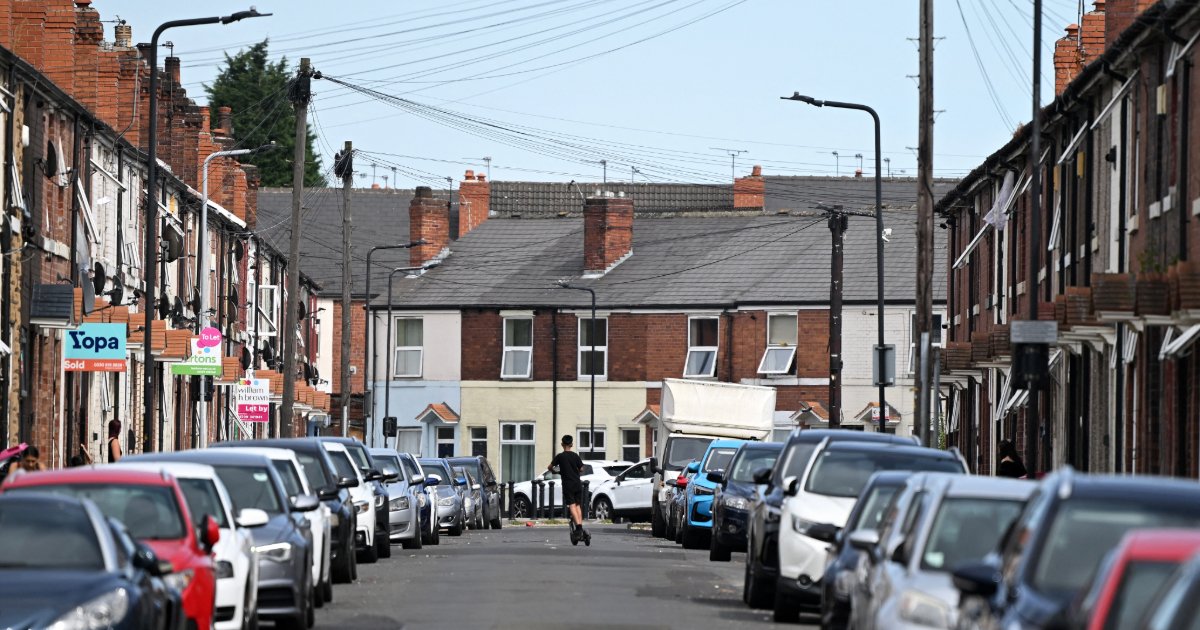
This incident represents a concerning trend of manipulated content being used to inflame community tensions. Rotherham, a town in South Yorkshire with a diverse population, has previously experienced community divisions following high-profile cases of child sexual exploitation that received national attention between 2014 and 2015.
Digital misinformation experts suggest that such deliberately misleading content can be particularly damaging in areas with existing community tensions. Dr. Claire Wardle, co-founder of First Draft, a nonprofit focused on tackling misinformation, has previously noted that “Content that plays into existing prejudices or fears can spread particularly quickly, regardless of its accuracy.”
Social media platforms have struggled to contain the rapid spread of such misinformation. While companies like Meta and X have policies against content that promotes hatred or discrimination, the volume and velocity of misleading content often outpaces moderation efforts.
Media literacy advocates recommend that social media users verify sources before sharing content, particularly videos that make inflammatory claims. Simple verification steps include checking whether the content comes from official accounts and considering if shortened clips might be missing crucial context.
When approached for comment, both Councillor Ismail and Rotherham Council had not responded at the time of publication. This article will be updated should statements become available.
The incident underscores the ongoing challenge of misinformation in local politics, where elected officials can find their words manipulated and their intentions misrepresented to audiences far beyond their constituencies.
Fact Checker
Verify the accuracy of this article using The Disinformation Commission analysis and real-time sources.

10 Comments
This just goes to show how important it is to scrutinize viral social media content and not take it at face value. Responsible journalism is key to uncovering the truth.
Agree, the media has a duty to provide accurate, impartial reporting. Spreading misinformation, even inadvertently, can have serious consequences.
It’s concerning to see these kinds of inflammatory claims gain traction online. I’m glad the facts were able to be verified through a thorough investigation.
Agreed, fact-checking is essential to counter the spread of disinformation, which can sow division and undermine public trust.
This highlights the importance of critically evaluating information, especially when it comes to politically charged issues. Jumping to conclusions without verifying the facts can be very misleading.
Absolutely. We should all strive to be more discerning consumers of online content and not blindly accept claims, no matter how compelling they may seem.
Interesting to see the facts come to light on this story. Misleading claims can spread quickly online these days, so it’s important to verify information before jumping to conclusions.
Absolutely. Fact-checking is crucial to combat the proliferation of false narratives, especially around sensitive topics like this.
It’s good to see that the facts have been clarified in this case. Spreading misinformation, even inadvertently, can have serious consequences for public discourse and understanding.
Agreed. Responsible reporting and fact-checking are essential to maintaining an informed and civil society.