


Listen to the article
Iranian Parliament Speaker Accuses Trump of False Claims Amid Strait of Hormuz Tensions
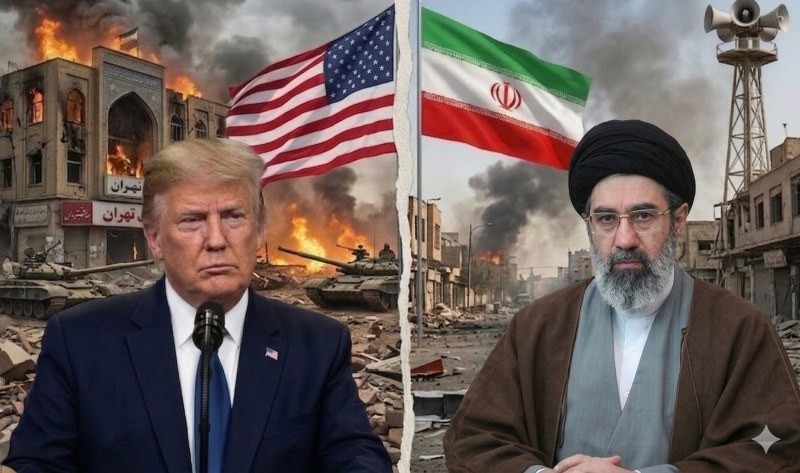
Iranian Parliament Speaker Mohammad Bagher Ghalibaf has strongly criticized U.S. President Donald Trump, accusing him of making multiple false statements regarding recent diplomatic exchanges between Tehran and Washington.
Ghalibaf, who led Iran’s delegation during recent talks with the United States in Islamabad, took to social media platform X on Saturday to voice his displeasure with Trump’s characterization of developments concerning the strategic Strait of Hormuz.
“The President of the United States made seven claims in one hour, all seven of which were false,” Ghalibaf stated. “They did not win the war with these lies, and they will certainly not get anywhere in negotiations either.”
The parliamentary speaker’s comments come amid heightened tensions over the vital waterway, through which approximately one-fifth of the world’s oil supply passes. Ghalibaf issued a stark warning that if Washington continues what Iran perceives as a blockade, the strait’s operational status could change.
“Whether the strait is open or closed, and the rules governing it, will be determined in the field, not on social media,” Ghalibaf asserted, suggesting that Iran maintains ultimate control over the waterway regardless of international pressure or media narratives.
The dispute centers on differing interpretations of a recent agreement regarding maritime access. On Friday, Iranian Foreign Minister Seyyed Abbas Araghchi announced that Iran would temporarily reopen the Strait of Hormuz for commercial vessels in conjunction with the ceasefire in Lebanon.
“In line with the ceasefire in Lebanon, passage for all commercial vessels through the Strait of Hormuz is declared fully open for the duration of the ceasefire, along coordinated routes already announced by the Ports and Maritime Organisation of the Islamic Republic of Iran,” Araghchi wrote on X.
Trump quickly claimed victory, writing on his Truth Social platform that Iran had agreed to permanently stop using the strait “as a weapon against the world.” However, he also noted that the U.S. naval blockade would remain until a more comprehensive agreement with Iran is reached.
This characterization appears to be what prompted Ghalibaf’s rebuttal. The Iranian official emphasized that passage through the strait would be regulated via routes designated by Iran and subject to Tehran’s authorization, directly contradicting Trump’s assertion of a more permanent arrangement.
Energy analysts note that any disruption to the Strait of Hormuz has immediate global implications. As the narrow waterway between Iran and Oman serves as the only sea passage from the Persian Gulf to the open ocean, its closure could send oil prices soaring and disrupt global supply chains.
The disagreement highlights the fragile nature of the current diplomatic engagement between Washington and Tehran. Relations between the two countries have remained strained since the U.S. withdrawal from the Iran nuclear deal in 2018 under the Trump administration.
Market observers are closely watching the situation, as even temporary disruptions to the strait could impact global energy prices. Several major oil-producing nations, including Saudi Arabia, Iraq, and the United Arab Emirates, rely on the passageway to export their petroleum products.
Ghalibaf urged both domestic and international audiences to rely on official Iranian sources for accurate information about the ongoing negotiations, specifically mentioning Iran’s Foreign Ministry spokesperson as an authoritative voice on the matter.
The conflicting narratives underscore the challenges facing potential diplomatic breakthroughs between the longtime adversaries. While both sides appear to be engaging in talks, fundamental disagreements about the framing and substance of any agreements remain significant obstacles to progress.
Regional security experts suggest that the status of the Strait of Hormuz will likely remain a key bargaining chip for Iran in any future negotiations with Western powers, particularly as economic sanctions continue to impact the country’s economy.
Fact Checker
Verify the accuracy of this article using The Disinformation Commission analysis and real-time sources.

9 Comments
President Trump’s claims regarding recent diplomacy with Iran seem questionable based on the Iranian parliament speaker’s rebuttal. It’s important to have an objective understanding of the facts, rather than relying on potentially misleading rhetoric from either side.
Absolutely. Transparent and factual communication from all parties involved is necessary to de-escalate tensions and reach a peaceful resolution. Unsubstantiated claims or inflammatory rhetoric will only serve to further inflame the situation.
The Strait of Hormuz is a critical global chokepoint, and any disruption to its operations could have significant implications for energy markets and the broader economy. It’s important that all stakeholders work together to find a peaceful resolution to this complex situation.
While the details of the diplomatic exchanges between Iran and the US remain murky, the public rhetoric from both sides seems to be hardening. I hope cooler heads can prevail and that the parties involved can find a way to address their concerns through constructive negotiations.
Interesting developments in the tensions over the Strait of Hormuz. It’s concerning to see the Iranian government warning of potential changes to the status of this vital global trade route. I hope both sides can find a diplomatic resolution to prevent any further escalation.
Agreed, the Strait of Hormuz is a critical chokepoint for global energy markets. Maintaining open and secure passage is crucial. I’ll be closely following how this situation unfolds in the coming days.
Iran’s warning about the potential changes to the operational status of the Strait of Hormuz is concerning. Maintaining the free flow of global energy supplies through this strategic waterway should be a top priority for all parties involved.
Agreed. Any disruption to the Strait of Hormuz could have far-reaching economic consequences, not just for the region but for the entire global economy. Diplomatic efforts to de-escalate tensions and ensure the unimpeded passage of ships are crucial.
The geopolitical dynamics surrounding the Strait of Hormuz are complex, with significant economic and security implications. I’m curious to see how the key stakeholders, including the US, Iran, and other regional powers, navigate this delicate situation in the days ahead.