


Listen to the article
Misinformation Spreads as Israel-Iran Conflict Intensifies
As the conflict between Israel and Iran enters its second week, a wave of unverified rumors has swept across social media platforms, falsely suggesting that Israel has sustained more significant damage than officially reported.
The speculation comes amid ongoing Iranian drone and missile attacks targeting Israel and Gulf region countries. While evidence of substantial damage has emerged from Iran, where U.S. and Israeli forces have conducted strikes, little credible information suggests that Iranian attacks against Israel have had comparable impact.
According to the Israeli Institute for National Security Studies, an independent think tank affiliated with Tel Aviv University, the death toll in Israel since the conflict began on February 28 stands at 14 people—12 civilians and two soldiers. More than 2,600 have been injured.
Israel’s Iron Dome air defense system, widely regarded as one of the world’s most effective, has been actively countering incoming threats. The Israeli military has been issuing frequent alerts to residents, warning them to seek shelter during attacks.
International media outlets operate in Israel but face restrictions under the country’s military censorship system. CNN has reported that these rules are “particularly sensitive during wartime,” noting that “broadcasting any images that reveal the location of interceptor missiles or military sites hit by enemy projectiles is forbidden, especially in live broadcasts.”
While many countries impose some restrictions on media during conflicts, Israel’s censorship system has likely contributed to the proliferation of rumors suggesting the country has suffered more extensive damage than officially acknowledged.
Social media platforms have been flooded with false claims about the conflict, with some posts alleging that senior Israeli political figures and their families have been targeted in attacks.
One widely circulated video claimed to show the home of Benjamin Netanyahu’s brother, Iddo, engulfed in flames after an alleged Iranian missile strike. The footage, which spread across English, Farsi, and Arabic language channels, was actually from an unrelated house fire in Galloway, New Jersey. A reverse image search revealed the video had been posted on Facebook on February 10, weeks before the current conflict escalated.
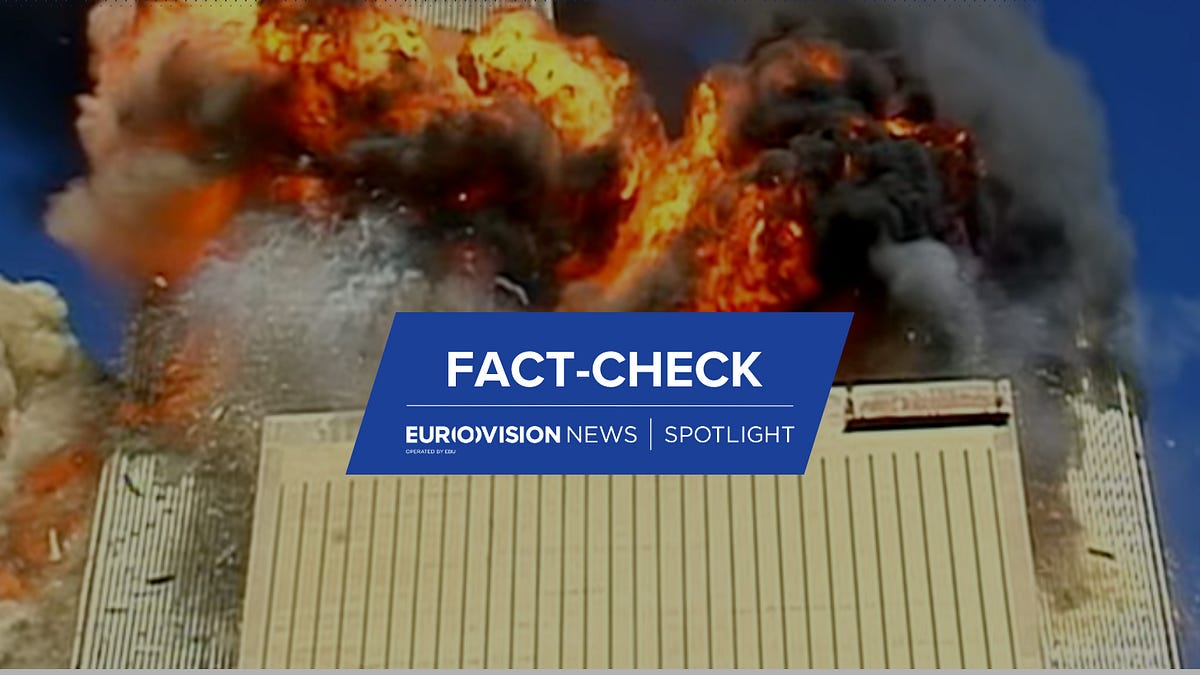
In another instance, nearly 25-year-old footage of the September 11, 2001 attacks on New York’s World Trade Center was shared with claims it showed Netanyahu’s residence after a “drone and hypersonic missile attack.”
Rumors also spread about alleged harm to Itamar Ben-Gvir, Israel’s Minister of National Security, with some posts claiming he had been killed. These claims gained significant traction, with one post alleging Ben-Gvir had been involved in a “car crash” that was supposedly a cover-up for an Iranian missile strike on his home receiving 1.3 million views. Similar posts garnered even more attention, with one reaching 3 million views.
The car crash rumors weren’t fabricated from nothing—Ben-Gvir had previously been injured in a 2024 accident where his vehicle flipped over. However, on March 10, after hours of viral claims about his alleged death, Ben-Gvir directly addressed the rumors by posting on X (formerly Twitter): “I’m alive,” followed by an expletive directed at those spreading misinformation.
More general false claims have involved footage supposedly showing damage in Israeli cities. A video of a massive fire engulfing a building on a city street was shared with captions claiming it showed “firefighting efforts” in Tel Aviv following Iranian missile strikes. In reality, the footage showed a fire at a historic train station in Glasgow, Scotland, that occurred on March 8.
Another dramatic video purportedly showing Tel Aviv “destroyed by an Iranian attack” with claims that “the city is in flames and without power” was similarly misleading. The same footage had appeared on Instagram as early as January 31, well before the current conflict.
Numerous other examples of miscaptioned or fabricated images, including some created with artificial intelligence, have depicted destroyed urban landscapes and fires supposedly from strikes on Israeli locations.
As the conflict progresses beyond its initial stages, with both sides claiming victories, statements about disproportionate damage that aren’t corroborated by reliable news sources warrant careful scrutiny.
The spread of such misinformation underscores the challenges of obtaining accurate information during conflicts, particularly when military censorship and social media algorithms can contribute to the rapid dissemination of unverified claims. Viewers are advised to rely on established news organizations with presence on the ground rather than unverified social media accounts when seeking information about the ongoing situation.
Fact Checker
Verify the accuracy of this article using The Disinformation Commission analysis and real-time sources.

8 Comments
This report provides a valuable reality check on the claims surrounding the Israel-Iran conflict. It’s concerning to see the spread of unverified information, but I’m glad the facts are being brought to light. Maintaining transparency and accuracy should be a top priority.
The Iranian missile attacks on Israel seem to have been less effective than initially reported. While any loss of life is tragic, the data suggests Israel’s defenses have been largely successful in mitigating the damage. Fact-checking is vital during geopolitical crises.
Yes, the performance of Israel’s air defense systems is quite impressive. It’s a reminder of the importance of investing in robust military capabilities, especially in volatile regions. Reliable information is key to understanding the true dynamics of this conflict.
Interesting to see the claims around the Israeli-Iran conflict debunked. It’s crucial that we separate fact from fiction, especially during heightened tensions. The verified data on casualties and damage is sobering, but it’s good to have a clearer picture of the situation.
Agreed. With so much misinformation circulating, it’s important to rely on credible sources and official reports to understand the true impacts. This conflict is complex enough without the added distortion of false claims.
The debunking of exaggerated Iranian missile claims is a useful counterpoint to the sensationalism that often dominates conflict reporting. While any loss of life is tragic, the data suggests Israel’s defenses have been more effective than initially portrayed. Fact-based analysis is crucial.
Absolutely. Reliable information is essential for understanding the true dynamics of this conflict and avoiding the pitfalls of misinformation. The verified data on casualties and damage provides a more sober assessment of the situation.
It’s good to see a more nuanced and fact-based assessment of the Israel-Iran conflict. While the situation remains volatile, this report helps cut through the noise of unverified claims and speculation. Maintaining transparency and accuracy should be a priority for all parties involved.