


Listen to the article
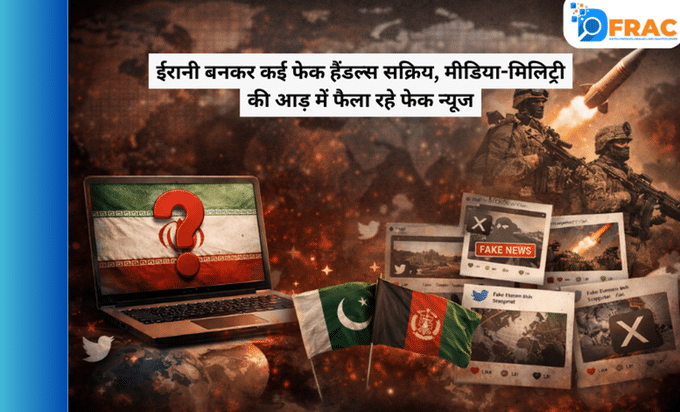
In a digital investigation that has unmasked a coordinated deception campaign, numerous social media accounts claiming Iranian affiliation have been revealed to be operating from entirely different countries. These accounts, active on the platform X, present themselves as Iranian media outlets or military sources while actually being managed from Pakistan, Afghanistan, Bangladesh, and several other nations.
The investigation identified multiple accounts using Iranian imagery and branding to build credibility while spreading unverified information about international conflicts and global events. Among those exposed are accounts like IranPressp0k and IranUpdate99 (operating from Afghanistan), irantimes3, IranianTime, Rimland_Intel, and several others based in Pakistan, along with _Iran__News from Bangladesh.
Digital forensics revealed a consistent pattern across these accounts. Many display the Iranian flag prominently in their profiles and list Tehran or other Iranian locations as their base. However, their account metadata clearly shows their actual countries of operation. This deliberate misrepresentation suggests an orchestrated effort to disseminate information under the guise of Iranian sources.
“This type of geographic misrepresentation is particularly concerning because it exploits the credibility associated with proximity to events,” said a digital media analyst who requested anonymity. “Users naturally assume that accounts claiming to be Iranian would have inside information about Iranian positions or regional developments.”
The deception extends beyond mere location spoofing. These accounts regularly post unverified claims about conflicts, military operations, and international relations without citing credible sources. The investigation found that several accounts, especially those operating from Pakistan, frequently spread anti-India narratives, using international conflicts as backdrops for promoting these viewpoints.
One striking example involved the account irantimes3, which falsely claimed that Israeli Prime Minister Benjamin Netanyahu had been killed by Iran and his body recovered from rubble. This information was categorically false and contradicted by official Israeli statements and reliable news outlets confirming Netanyahu’s safety.
In another instance, multiple accounts falsely reported that Russian President Vladimir Putin had arrived in Iran—a claim never substantiated by any government source or reputable media organization. These accounts also shared AI-generated videos and manipulated images of military operations, presenting them as authentic footage from ongoing conflicts.
The spread of such misinformation comes at a particularly sensitive time, as tensions between Iran and Israel remain high and global attention focuses on the region. Foreign policy experts note that false information about military movements or diplomatic developments could potentially influence public opinion or even escalate tensions in already volatile situations.
Social media platforms have struggled to combat this type of coordinated inauthentic behavior, where networks of accounts create an illusion of multiple independent sources confirming false information. Platform policies typically prohibit misrepresentation of identity and location, but enforcement has proven challenging.
Digital literacy advocates emphasize that users should verify information through established news sources and check account details carefully before accepting claims about major international developments. The location data available on many social platforms can provide important context about who is actually behind seemingly authoritative accounts.
This investigation highlights the increasingly sophisticated nature of misinformation campaigns that leverage geopolitical tensions and conflicts to spread false narratives across social media. As online platforms continue to serve as primary information sources during international crises, the ability to discern genuine sources from impersonators becomes ever more critical.
Fact Checker
Verify the accuracy of this article using The Disinformation Commission analysis and real-time sources.

7 Comments
Interesting to see this coordinated disinformation campaign uncovered. It’s concerning how these accounts try to build credibility by using Iranian branding, while actually operating from other countries. Fact-checking and digital forensics are crucial to expose such deception efforts.
The use of Iranian imagery and branding to lend credibility to these deceptive accounts is a concerning tactic. It’s a good reminder to always cross-check the metadata and source of information, rather than relying solely on surface-level appearances.
This investigation highlights the need for heightened scrutiny of social media accounts, especially those claiming to represent official sources. Verifying the true origin and affiliations of online personas is key to combating the spread of misinformation.
Agreed. Transparency and accountability should be the norm for any accounts purporting to share authoritative information on important issues.
Coordinated social media manipulation efforts like this one are a growing concern. Using Iranian branding to lend credibility while actually operating from elsewhere is a deceptive tactic that undermines trust in information sources. Vigilance and fact-checking are key to combating it.
It’s troubling to see how these accounts deliberately misrepresent their origins to push unverified narratives. Transparent and accountable information sources are crucial, especially on sensitive global topics. This case underscores the importance of digital forensics in exposing such deception.
This investigation highlights the sophisticated tactics used in coordinated disinformation campaigns. Spreading unverified information under the guise of legitimate sources is a serious threat to informed public discourse. Rigorous fact-checking is essential.