


Listen to the article
False Accusations Online: Man Cleared After YouTuber’s Viral “Sting Operation” Backfires
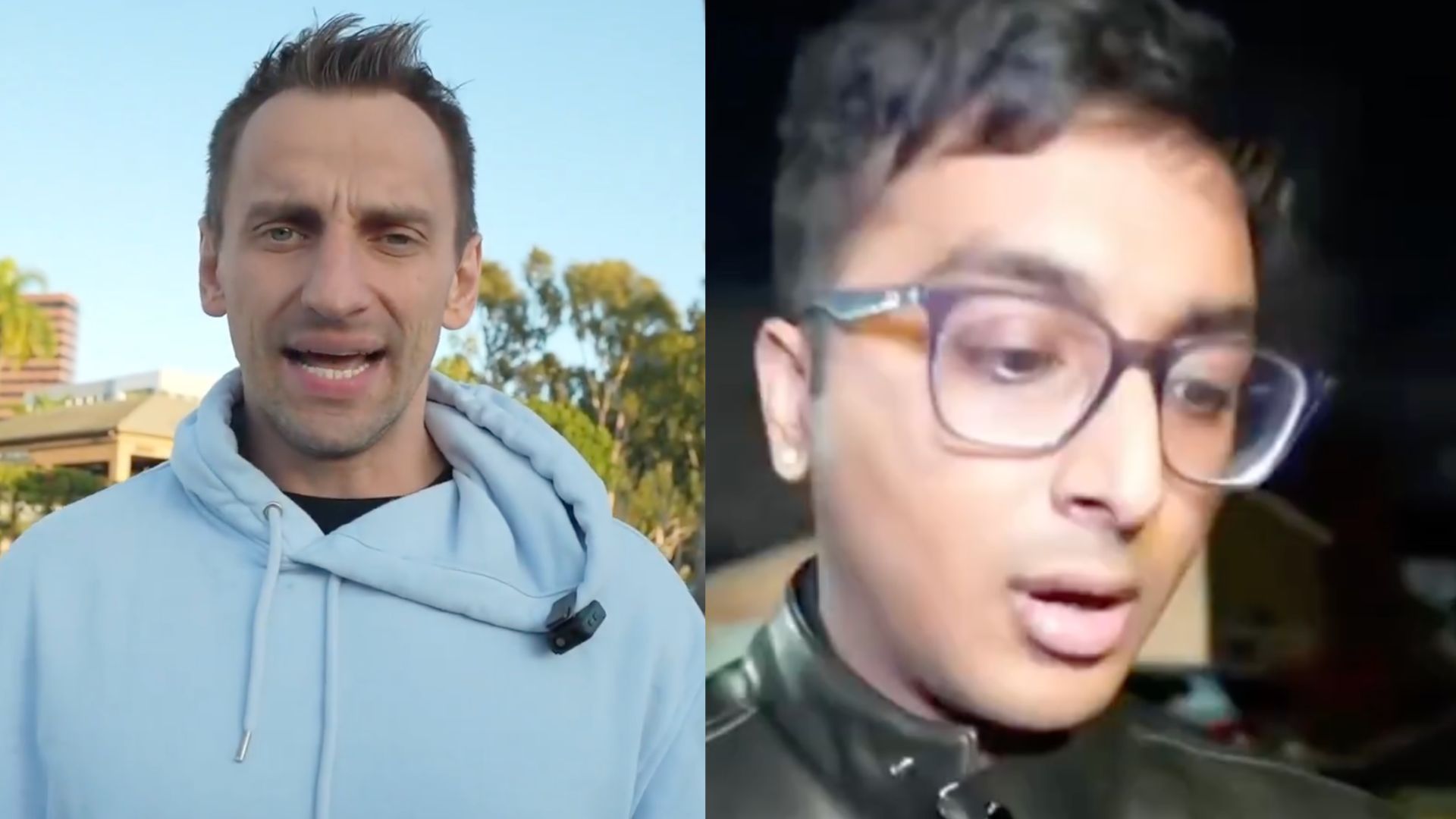
A disturbing case of viral misinformation has exposed the dangerous consequences of digital vigilantism after Akash Singhania was falsely portrayed as a child predator by Russian YouTuber Vitaly Zdorovetskiy, who has over 10 million subscribers. What began as a controversial livestream quickly escalated into a nightmare for Singhania, who faced massive online harassment despite being innocent of any wrongdoing.
The incident unfolded when Zdorovetskiy conducted what he claimed was a “sting operation,” broadcasting content that suggested Singhania was attempting to meet a minor. The video rapidly gained traction across multiple social media platforms, unleashing a torrent of abuse against Singhania before any facts could be verified.
“My world was turned upside down this weekend,” Singhania stated in a public response on Twitter. “I was wrongfully portrayed as someone attempting to engage in inappropriate conduct. This accusation is completely false.”
The consequences were swift and severe. Singhania became the target of intense harassment and threats as viewers accepted the YouTuber’s narrative without question. The damage to his reputation was immediate, affecting both his personal and professional life.
The Santa Ana Police Department subsequently investigated the case and determined that Singhania had committed no crime. Their official finding directly contradicted the allegations made during the livestream, effectively clearing him of all accusations. Despite this vindication, the damage to Singhania’s reputation had already spread far beyond control.
Digital rights advocates point to this case as a textbook example of how quickly misinformation can spiral out of control in today’s social media landscape. When amplified by influential content creators with massive followings, unverified accusations can destroy lives within hours.
“This type of content creation is deeply problematic,” says Dr. Eleanor Saunders, a digital ethics researcher. “There’s a growing trend of ‘vigilante justice’ content that operates outside legal boundaries and proper investigative protocols, often with devastating consequences for those targeted.”
Following intense backlash, Zdorovetskiy reportedly issued a public apology and removed the video, admitting the accusation was a mistake. However, critics argue this response came too late, as screenshots and clips had already been widely shared across multiple platforms.
The incident has sparked renewed calls for greater accountability among content creators, particularly those who produce controversial material for views. Legal experts suggest that individuals falsely accused in such scenarios have grounds for defamation lawsuits against both the content creator and potentially the platforms that hosted the content.
“These platforms have a responsibility to moderate potentially defamatory content, especially when it contains serious criminal allegations,” says media law attorney Martin Hirsch. “The defense that they’re merely hosting user content becomes increasingly problematic when dealing with verified creators who monetize their reach.”
For Singhania, the road to rebuilding his reputation will be challenging. Social media users have rallied to his defense, with many calling out the racist undertones that accompanied the false accusations. Others have pointed to inconsistencies in the original “sting” that should have raised red flags before the content went viral.
This case highlights the growing tension between content creation, engagement metrics, and basic journalistic standards. While traditional media outlets operate under ethical guidelines that require fact-checking before publishing serious allegations, social media creators often face no such requirements until after damage has been done.
Platform policies regarding content that makes criminal accusations vary widely, creating an inconsistent landscape where harmful content can thrive. Industry watchers suggest this incident may accelerate calls for clearer guidelines around accusatory content.
As the dust settles, Singhania’s experience serves as a sobering reminder of digital media’s power to both inform and harm. In an era where accusations can reach millions within minutes, the line between content creation and responsible reporting has never been more important—or more blurred.
Fact Checker
Verify the accuracy of this article using The Disinformation Commission analysis and real-time sources.

8 Comments
The power of social media to spread unsubstantiated claims is truly alarming. I’m relieved the authorities were able to clear this individual’s name, but the damage done by the original video is hard to undo. We need to be much more discerning consumers of online content.
This is a sobering example of how quickly online narratives can spiral out of control, with real-world consequences. While I’m glad the police were able to exonerate the accused, the initial viral response highlights the urgent need for better digital media literacy and fact-checking.
Absolutely. We all have a responsibility to be more critical and discerning when consuming information online, especially when it involves serious allegations. Rushing to judgment can cause immense harm.
It’s disheartening to see how quickly an unverified claim can turn into a full-blown online harassment campaign. The police investigation seems to have found the truth, but the damage to this individual’s reputation may be irreparable. This is a wake-up call about the need for greater digital literacy and accountability.
This is a disturbing case of online misinformation and vigilantism. False accusations can have devastating real-world consequences, as we see here. I’m glad the police were able to clear the accused individual’s name, but the damage done by the viral video is concerning.
You’re right, this highlights the importance of verifying facts before rushing to judgment online. Digital mobs can inflict serious harm, even when the original claims are unfounded.
This is a cautionary tale about the dangers of social media mob mentality. We should be very careful about believing and amplifying unverified claims, especially those that could ruin someone’s life. The police investigation seems to have uncovered the truth, but the harm has already been done.
Agreed. This case underscores the need for more digital literacy and critical thinking when it comes to online content. Viral misinformation can spread like wildfire, with devastating impacts on innocent people.