


Listen to the article
Jury Awards $10 Million to Idaho Professor in TikTok Defamation Case
A federal jury in Boise has ordered a Texas TikTok content creator to pay $10 million in damages to a University of Idaho professor after determining she spread false claims connecting the academic to the 2022 murders of four college students.
The verdict, delivered Friday in U.S. District Court, concluded the case of Scofield v. Guillard with a substantial financial penalty. The jury awarded Rebecca Scofield, chair of the university’s history department, $7.5 million in punitive damages and $2.5 million in compensatory damages.
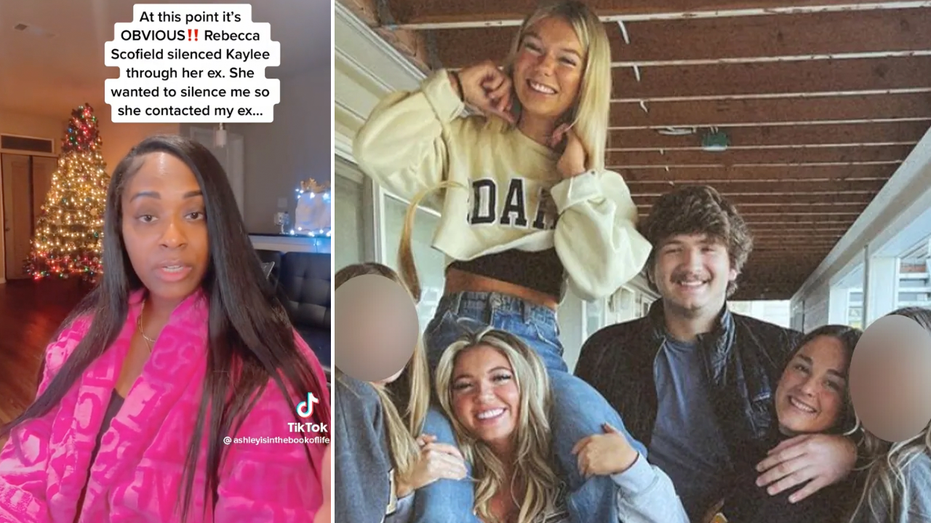
Scofield filed the lawsuit in December 2022 against Houston resident Ashley Guillard, who had published a series of TikTok videos falsely claiming the professor had a romantic relationship with one of the victims and orchestrated the killings.
The case stems from one of the most shocking crimes in recent Idaho history. On November 13, 2022, Kaylee Goncalves, Madison Mogen, Xana Kernodle, and Ethan Chapin were stabbed to death in their off-campus rental home in Moscow, Idaho. The brutal murders shocked the college town and attracted intense national media attention.
Bryan Kohberger, who at the time was studying for a doctorate in criminology at nearby Washington State University, was later arrested and charged with the murders. He eventually pleaded guilty in exchange for avoiding the death penalty and is now serving four consecutive life sentences in an Idaho state prison.
Court documents show that Chief U.S. Magistrate Judge Raymond Patricco had already determined in June 2024 that Guillard’s statements were legally defamatory. The jury trial was solely to determine the appropriate monetary damages.
“I want to thank the jury for their time and attention to this case,” Scofield said in a statement following the verdict. “The judge had already ruled as a matter of law that the statements were false. The $10 million verdict reinforces the judge’s decision and sends the clear message that false statements online have consequences in the real world for real people and are unacceptable in our community.”
According to the complaint, Guillard began posting videos in late November 2022 alleging that Scofield had been involved with one of the murdered students and had “ordered” the killings. Court records indicate Scofield had never met any of the victims and was out of state when the murders occurred.
The lawsuit further alleged that Guillard continued publishing these false accusations even after receiving cease-and-desist letters and after police publicly stated that Scofield had no connection to the crimes. At the time, Guillard’s TikTok account had amassed over 100,000 followers, with some of the defamatory videos receiving millions of views and interactions.
The case highlights the growing legal consequences for spreading misinformation on social media platforms. Legal experts note that while social media has democratized information sharing, it has also created new venues for potentially damaging defamation with far-reaching impacts.
During the damages trial, Scofield testified about the significant emotional distress she experienced seeing her name linked to the brutal murders online. Local media reported that the jury deliberated for less than two hours before reaching their decision.
Guillard, who represented herself in court proceedings, reportedly claimed that her statements were merely expressions of belief connected to tarot card readings. This defense failed to persuade the jury.
“The murders of the four students on November 13, 2022, was the darkest chapter in our university’s history,” Scofield added in her statement. “Today’s decision shows that respect and care should always be granted to victims during these tragedies. I am hopeful that this difficult chapter in my life is over, and I can return to a more normal life with my family and the wonderful Moscow community.”
The case represents one of the largest defamation judgments against an individual social media user in recent years. It remains unclear whether Guillard intends to appeal the verdict or has the financial means to satisfy the judgment.
The substantial award sends a strong message about accountability in the digital age, where viral misinformation can rapidly damage reputations and cause lasting harm to individuals caught in the crossfire of sensationalized crime stories.
Fact Checker
Verify the accuracy of this article using The Disinformation Commission analysis and real-time sources.

10 Comments
This is a fascinating development in a tragic case. I’m curious to learn more about the specific claims the tarot influencer made and how they were debunked in court. Misinformation can be so damaging.
Yes, it will be interesting to see if this case leads to any policy changes or content moderation improvements on TikTok. Platforms need to do more to prevent the spread of false narratives.
This is a cautionary tale about the real-world impacts of viral online content. I hope the verdict encourages more social media users to think critically about the information they encounter and share.
Agreed. Platforms like TikTok need to improve their systems for detecting and removing false or defamatory content. The spread of misinformation can seriously harm innocent people.
While the murders were horrific, I’m glad the courts were able to protect the professor’s reputation and hold the influencer accountable. Social media can be a powerful tool, but it needs to be used responsibly.
Absolutely. This case underscores the importance of verifying information and fact-checking claims, especially when it comes to sensitive issues like crimes. Spreading misinformation can have devastating consequences.
As someone interested in true crime, I find this case quite disturbing. The tarot influencer’s claims seem to have been completely unfounded, and I’m glad the court was able to set the record straight.
Yes, it’s a sobering reminder that we must be very cautious about the sources we trust, especially when it comes to sensitive criminal investigations. Spreading false information can have devastating consequences.
Wow, this case highlights the dangers of misinformation spreading on social media. I’m glad the court was able to hold the TikTok influencer accountable for the false claims. Defamation can have serious consequences.
Agreed, it’s crucial that platforms like TikTok take responsibility for the content they host and the harm it can cause. This verdict sends a strong message.