


Listen to the article
A federal jury in Boise has ordered a Texas TikToker to pay $10 million to a University of Idaho professor after determining she spread false claims linking the academic to the 2022 murders of four college students.
The verdict, delivered Friday in U.S. District Court, awarded Professor Rebecca Scofield $7.5 million in punitive damages and $2.5 million in compensatory damages in her defamation case against Houston resident Ashley Guillard.
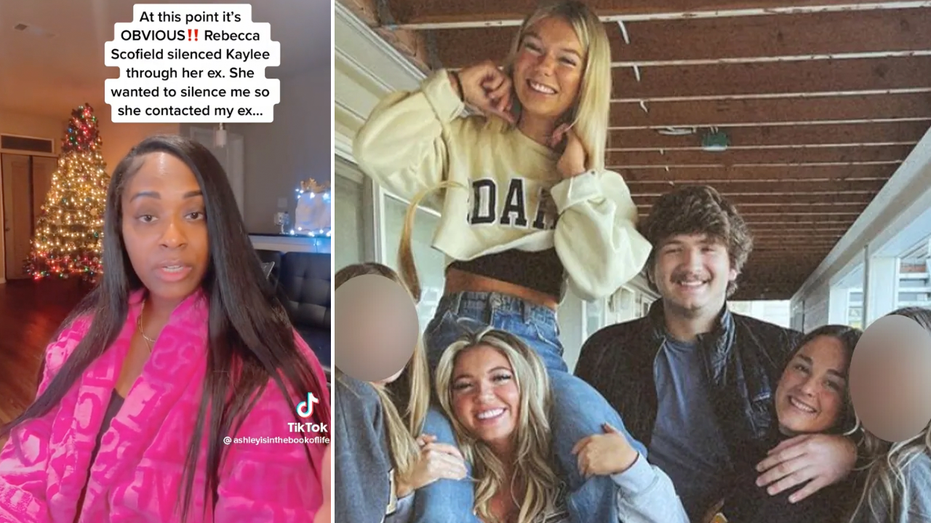
Scofield, who chairs the university’s history department, filed the lawsuit in December 2022 after Guillard published a series of TikTok videos claiming—without evidence—that the professor had a romantic relationship with one of the victims and orchestrated the killings.
“The $10 million verdict sends the clear message that false statements online have consequences in the real world for real people and are unacceptable in our community,” Scofield said in a statement following the decision.
The case stems from the November 13, 2022, murders that shocked the college town of Moscow, Idaho, when students Kaylee Goncalves, Madison Mogen, Xana Kernodle, and Ethan Chapin were stabbed to death in an off-campus rental home. The brutal killings drew intense national attention and speculation before authorities arrested Bryan Kohberger, a criminology doctoral student at nearby Washington State University.
Kohberger later pleaded guilty in a deal that spared him the death penalty and is currently serving four consecutive life sentences in an Idaho state prison.
Court records show that Chief U.S. Magistrate Judge Raymond Patricco had already determined in June 2024 that Guillard’s statements were legally defamatory, leaving the jury to decide only the monetary damages.
According to the lawsuit, Guillard began posting videos shortly after the murders claiming that Scofield had been secretly involved with one of the victims and had “ordered” the killings. The videos spread rapidly on social media, with some receiving millions of interactions among Guillard’s more than 100,000 followers.
The lawsuit noted that Scofield had never met any of the victims and was out of state when the murders occurred. Despite receiving cease-and-desist letters and police publicly stating that Scofield was not connected to the crime, Guillard continued publishing the accusations.
Legal experts say the case highlights the growing problem of misinformation on social media platforms during high-profile crime cases. In recent years, several individuals have faced similar defamation lawsuits after spreading unfounded theories about crimes that went viral online.
During the damages trial, Scofield testified about the devastating emotional impact of seeing her name falsely associated with the murders. The professor’s legal team argued that the false statements not only accused her of criminal conduct but also constituted professional misconduct that threatened her academic career and reputation.
“The murders of the four students was the darkest chapter in our university’s history,” Scofield said in her statement. “Today’s decision shows that respect and care should always be granted to victims during these tragedies.”
Guillard, who represented herself during the proceedings, reportedly maintained that her statements were expressions of belief connected to tarot card readings. Local media reported that the jury deliberated for less than two hours before returning their verdict.
The case represents one of the largest defamation awards against an individual social media user and could set precedent for similar cases involving viral misinformation. It also adds a legal dimension to ongoing discussions about content moderation and accountability on platforms like TikTok, where false claims can rapidly reach massive audiences.
It remains unclear whether Guillard intends to appeal the verdict or how the substantial monetary judgment might be enforced.
For Scofield, the verdict represents a chance to move forward. “I am hopeful that this difficult chapter in my life is over, and I can return to a more normal life with my family and the wonderful Moscow community,” she said.
Fact Checker
Verify the accuracy of this article using The Disinformation Commission analysis and real-time sources.

7 Comments
This case highlights the need for greater scrutiny and accountability around online content, especially regarding serious crimes. I hope this verdict serves as a deterrent against such reckless behavior.
Wow, what a staggering verdict. This should serve as a wake-up call to social media influencers who think they can peddle misinformation without consequences. Kudos to the professor for standing up for the truth.
Wow, this is a shocking development. I hope the professor can recover from this traumatic ordeal and that the truth prevails. Spreading false claims like this can have serious consequences.
It’s good to see the justice system holding this influencer accountable for peddling misinformation. Spreading unsubstantiated rumors about a tragedy like this is truly unacceptable.
I agree. Responsible social media use is so important, especially when it comes to sensitive issues like this.
This is a cautionary tale about the dangers of spreading unverified claims, especially related to tragic events. I hope the professor can find some closure and that this verdict brings a measure of justice.
The $10 million judgment sends a strong message that defamation has real-world consequences. I’m glad the professor was able to defend her reputation and seek justice through the legal system.