


Listen to the article
Iran’s Foreign Ministry accusations against the UAE have drawn a sharp rebuke from the Gulf Cooperation Council, escalating tensions in an already volatile region.
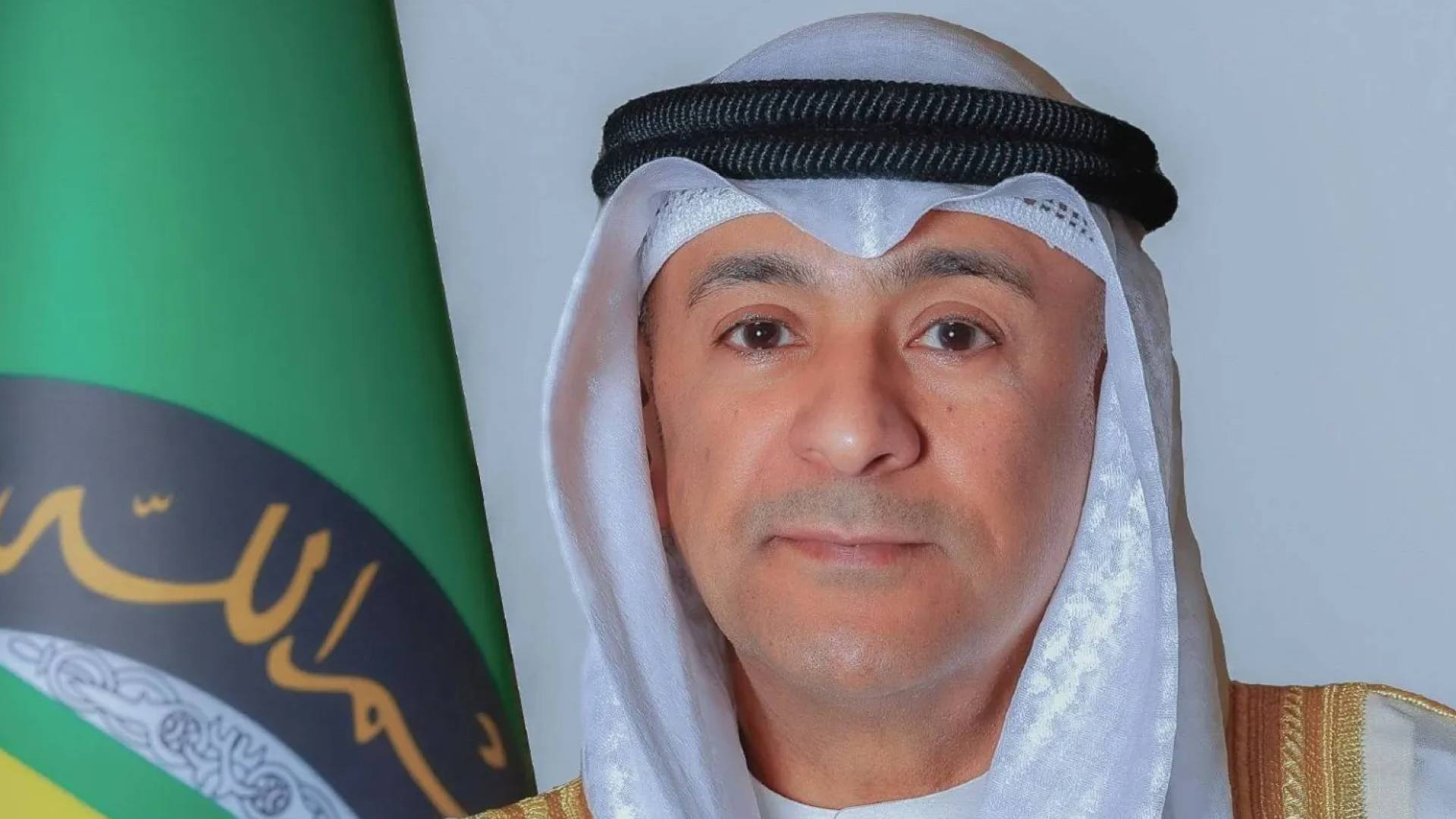
Jassim Al-Budaiwi, Secretary-General of the Gulf Cooperation Council (GCC), issued a forceful condemnation Wednesday of what he termed “false and unacceptable allegations” made by Iran’s Foreign Ministry against the United Arab Emirates.
The strongly-worded statement from the GCC chief characterized Iran’s claims as deliberately misleading and part of an escalating pattern of provocative behavior toward countries in the Gulf region. Al-Budaiwi specifically highlighted that Tehran has not only launched “aggressive attacks” on UAE territory but continues attempting to distort facts in ways that violate international norms and laws.
“This Iranian statement clearly intends to fuel tensions and undermine regional security and stability,” Al-Budaiwi said. “It demonstrates Iran’s hostile approach that threatens the safety of the entire region and its people.”
The confrontation comes amid heightened geopolitical tensions in the Gulf, where Iran and various GCC member states have long maintained competing interests. The UAE, a key U.S. ally and economic powerhouse in the region, has frequently found itself at odds with Iran’s regional ambitions.
Regional security analysts note this diplomatic spat occurs against the backdrop of Iran’s growing isolation on the world stage. Western sanctions related to Iran’s nuclear program and human rights concerns have pushed Tehran to adopt increasingly confrontational stances toward its neighbors.
The GCC, a political and economic alliance consisting of Bahrain, Kuwait, Oman, Qatar, Saudi Arabia, and the UAE, was established in 1981 partly in response to concerns about Iran’s influence following its 1979 Islamic Revolution. The organization has consistently positioned itself as a counterbalance to Iranian power in the region.
Al-Budaiwi’s statement emphasized the GCC’s unified position in support of the UAE and its sovereign right to implement measures protecting its security and stability. “The security of the UAE is inseparable from the security of all Gulf Cooperation Council states,” he affirmed, underscoring the bloc’s collective defense perspective.
Energy markets are closely monitoring the situation, as any escalation between Iran and GCC countries could potentially disrupt oil shipments through the Strait of Hormuz, through which approximately one-fifth of the world’s oil passes. The UAE itself is OPEC’s third-largest oil producer.
The specific content of Iran’s allegations against the UAE was not detailed in Al-Budaiwi’s statement, but diplomatic relations between the two countries have deteriorated in recent years over various issues, including the UAE’s normalization of ties with Israel through the 2020 Abraham Accords, which Iran strongly opposed.
Defense and security cooperation between the UAE and Western powers has also been a persistent source of tension, with Iran viewing the presence of foreign military forces in the Gulf as threatening to its interests.
Neither the Iranian Foreign Ministry nor UAE officials had issued immediate responses to Al-Budaiwi’s statement at the time of reporting.
International observers suggest that without diplomatic intervention, such public exchanges could further destabilize regional dynamics at a time when multiple conflicts are already straining international relations across the Middle East.
The GCC has repeatedly called for dialogue-based approaches to regional issues, though Al-Budaiwi’s latest statement indicates growing frustration with what member states perceive as Iran’s unwillingness to engage constructively with its neighbors.
Fact Checker
Verify the accuracy of this article using The Disinformation Commission analysis and real-time sources.

8 Comments
The GCC’s forceful condemnation of Iran’s ‘false claims’ against the UAE is a clear indication that the Gulf states are fed up with Iran’s provocative behavior. This dispute could have far-reaching implications for the entire region.
This dispute underscores the complex geopolitical dynamics in the Gulf. Both sides seem intent on portraying the other as the aggressor, which raises the risk of further conflict. Restoring trust and dialogue will be crucial to easing tensions.
Iran’s ‘hostile approach’ as described by the GCC chief is worrying. The Gulf states will likely strengthen their defenses and alliances in response to Iran’s destabilizing actions.
The GCC’s condemnation of Iran’s ‘false claims’ is a clear indication that the UAE and its regional allies will not back down in the face of Iran’s provocations. This dispute could have significant implications for energy and commodity markets in the Gulf.
It’s troubling to see Iran continuing to stir up tensions in the region through its ‘deliberately misleading’ statements. The GCC’s robust response suggests they are taking these allegations very seriously and are willing to push back forcefully.
This incident highlights the fragile state of regional security in the Gulf. Maintaining stability and preventing further escalation should be the top priority for all parties involved.
The GCC chief’s strong rebuke of Iran’s ‘false claims’ against the UAE is not surprising given the heightened tensions in the region. This appears to be another escalation in the ongoing power struggle between Iran and the Gulf states.
It’s concerning to see Iran continuing to make provocative statements and engage in aggressive behavior that threatens regional stability. The UAE will likely push back firmly against these allegations.