


Listen to the article
French Navy Refutes Pakistani Media Claims About Indian Rafale Jets
The French Navy has strongly denied Pakistani media reports that falsely claimed a French naval commander confirmed Indian Rafale jets were shot down during Operation Sindoor. In a statement released via its official social media channels, the French Navy described the reports as containing “extensive misinformation and disinformation.”
On November 21, Pakistani media outlet Geo TV published an article on its website alleging that a French naval commander had acknowledged Pakistan’s air superiority during recent military confrontations between India and Pakistan. The article claimed the commander confirmed that Chinese J-10C fighters had outperformed and shot down Indian Rafale jets during clashes on May 6-7 that reportedly involved over 140 fighter aircraft.
According to the French Navy, these reports not only misrepresented statements but even got the officer’s name wrong. The Pakistani media identified him as “Jacques Launay,” while the actual officer is Captain Yvan Launay, who commands the naval air station at Landivisiau where France bases its Rafale Marine aircraft.
“These statements were attributed to Captain Launay, who never gave his consent for any form of publication,” the French Navy stated. They emphasized that Captain Launay’s role is strictly limited to commanding the naval air station, contrary to Pakistani media portraying him as a senior operational authority with knowledge of India-Pakistan military engagements.
The French statement clarified that Captain Launay’s presentation at the Indo-Pacific conference was purely technical in nature. He discussed only the missions of the Rafale Marine, France’s carrier strike group concept, and general challenges that pilots encounter during high-intensity air combat operations.
Pakistani media had specifically claimed the French officer stated that the Pakistan Air Force performed “much better” during the confrontation and that Indian Rafales’ radar systems failed due to operational rather than technical issues. The article even included an alleged quote from Captain Launay saying, “There was nothing wrong with the war machine, but the machine was not used properly.”
The French Navy categorically refuted these claims. They stated that when questioned about Operation Sindoor, Captain Launay neither confirmed nor denied any claims about aircraft losses and declined to comment on allegations regarding Chinese electronic warfare jamming of Indian aircraft. “He never mentioned the Chinese J-10,” the French Navy emphasized, directly contradicting a key element of the Pakistani narrative.
This incident highlights ongoing tensions between India and Pakistan, particularly in information warfare. Operation Sindoor, which targeted what India describes as Pakistan-sponsored terrorist sites, has become a focal point for competing narratives between the two nuclear-armed neighbors.
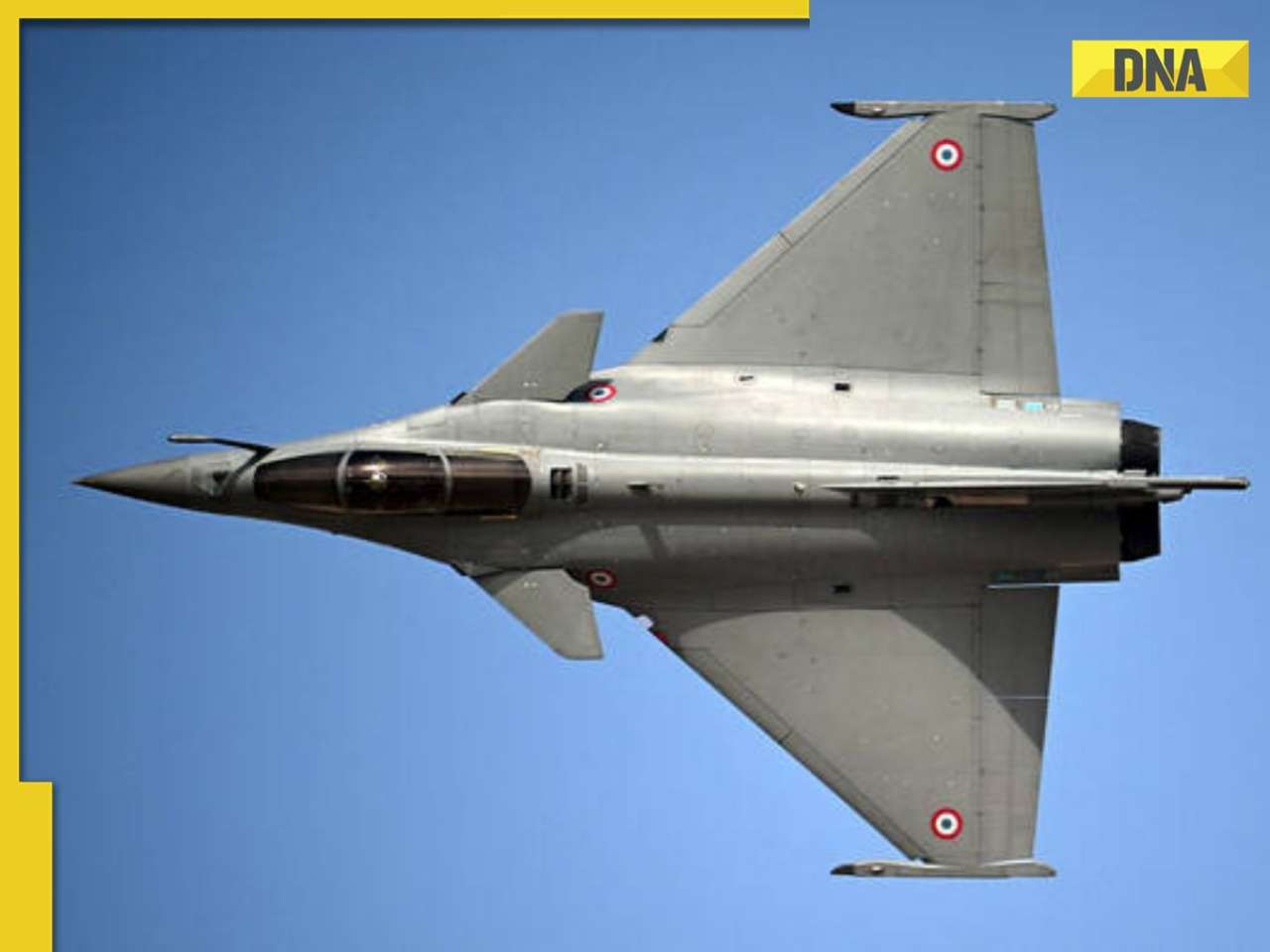
The Rafale fighter jets, manufactured by French company Dassault Aviation, represent one of India’s most significant recent military acquisitions. The multi-role combat aircraft has been a point of national pride for India since the first deliveries began in 2020 as part of a 7.8 billion euro deal for 36 aircraft.
The French Navy’s unusual step of publicly refuting these claims underscores the sensitivity surrounding military equipment sales and performance in the increasingly complex geopolitical landscape of South Asia. It also demonstrates France’s concern about protecting the reputation of its aerospace industry, which considers India a key strategic partner and customer in the defense sector.
Military analysts note that this is not the first instance of disputed claims regarding air combat between India and Pakistan, with similar information conflicts occurring after previous incidents, including a February 2019 aerial engagement following the Balakot airstrikes.
Fact Checker
Verify the accuracy of this article using The Disinformation Commission analysis and real-time sources.

16 Comments
It’s good to see the French Navy swiftly refuting these false claims. Spreading misinformation and disinformation around military actions is irresponsible and can have serious consequences. Fact-checking and transparency are crucial, especially on sensitive geopolitical issues.
Absolutely, we need reliable, verified information from credible sources on these matters. Unsubstantiated claims can escalate tensions unnecessarily.
This highlights the importance of verifying information, especially regarding military operations. The French Navy’s strong response helps maintain trust in official communications and counters the spread of propaganda.
Yes, it’s critical that militaries and governments quickly address false narratives to prevent them from taking hold. Transparency and accountability are essential.
The French Navy’s prompt response to refute these claims demonstrates the importance of verifying information, especially around military operations. Fact-checking and transparency are essential to prevent the spread of dangerous propaganda.
The French Navy’s swift denial of these claims highlights the importance of verifying information, especially on sensitive military matters. Unchecked disinformation can have serious consequences, so it’s good to see responsible authorities address it directly.
It’s good to see the French Navy take such a firm stance against these false reports. Maintaining factual accuracy is critical, especially on sensitive security matters. Unchecked disinformation can have dangerous real-world implications.
Agreed. Responsible authorities must be proactive in addressing and correcting misinformation to preserve public trust and prevent further escalation.
This incident underscores the need for caution and fact-checking when it comes to reports about military operations. The French Navy’s clear response helps uphold transparency and accountability, which is crucial in these types of situations.
Absolutely. Responsible communication from official sources is essential to prevent the spread of harmful propaganda and misinformation.
While military confrontations are always concerning, it’s reassuring to see the French Navy take such a clear and factual stance against these false reports. Responsible communication and correction of misinformation are critical in such sensitive situations.
Absolutely. Maintaining accuracy and trust in official channels is vital to avoid further escalation or misunderstanding around these issues.
This underscores the need for caution when evaluating claims about military engagements, particularly from potentially biased sources. The French Navy’s clear denial helps uphold transparency and accountability.
While military confrontations are always concerning, it’s reassuring to see the French Navy take a firm stance against these fabricated reports. Fact-checking and correcting misinformation is an important role for responsible authorities.
The French Navy’s swift rebuttal of these claims is commendable. Maintaining accuracy and trust in official communications is crucial, especially around sensitive military operations. Spreading disinformation can have serious consequences.
Absolutely. Responsible reporting and fact-checking are essential to avoid inflaming tensions or escalating conflicts unnecessarily.