


Listen to the article
The National Bureau of Investigation (NBI) has taken former broadcaster Jay Sonza into custody following his arrest on Tuesday in Quezon City. The arrest came after a Pasay court issued a warrant related to allegations that Sonza spread false information about President Ferdinand Marcos Jr.’s health condition.
Sonza’s legal representative, Attorney Mark Tolentino, confirmed the arrest and stated that his client is currently being held by the NBI. The arrest marks a significant development in a case that has drawn attention to the intersection of journalism, social media, and Philippine law regarding misinformation.
The case centers on claims Sonza allegedly made about the President’s health status, which authorities deemed false and potentially harmful to public interest. While specific details about the alleged misinformation have not been fully disclosed, the case highlights growing concerns about the spread of unverified information through both traditional and social media channels in the Philippines.
Sonza, a veteran broadcaster with decades of experience in Philippine media, has transitioned in recent years to being a prominent voice on social media platforms. His career spans multiple television networks where he previously hosted news and public affairs programs before becoming active in online commentary.
The arrest comes amid increasing government scrutiny of online content creators and media personalities who publish information about government officials. Legal experts note that the Philippines has seen a rise in cases related to allegations of spreading false information, particularly concerning high-ranking government officials.
The Philippine legal system classifies spreading false information that may cause harm or panic as a potential violation under various statutes, including cybercrime legislation. Critics of these enforcement actions have raised concerns about implications for press freedom and free speech, while government supporters maintain that factual accuracy in reporting about public officials remains paramount.
An NBI spokesperson indicated that the agency has been investigating several cases of alleged misinformation campaigns targeting government officials. This arrest appears to be part of broader efforts to address what officials describe as deliberate attempts to spread falsehoods about government leaders.
Media organizations in the Philippines have responded with caution to the arrest, with some journalists’ groups calling for due process while emphasizing the importance of responsible reporting. The National Union of Journalists of the Philippines has consistently advocated for press freedom while encouraging adherence to ethical standards in journalism.
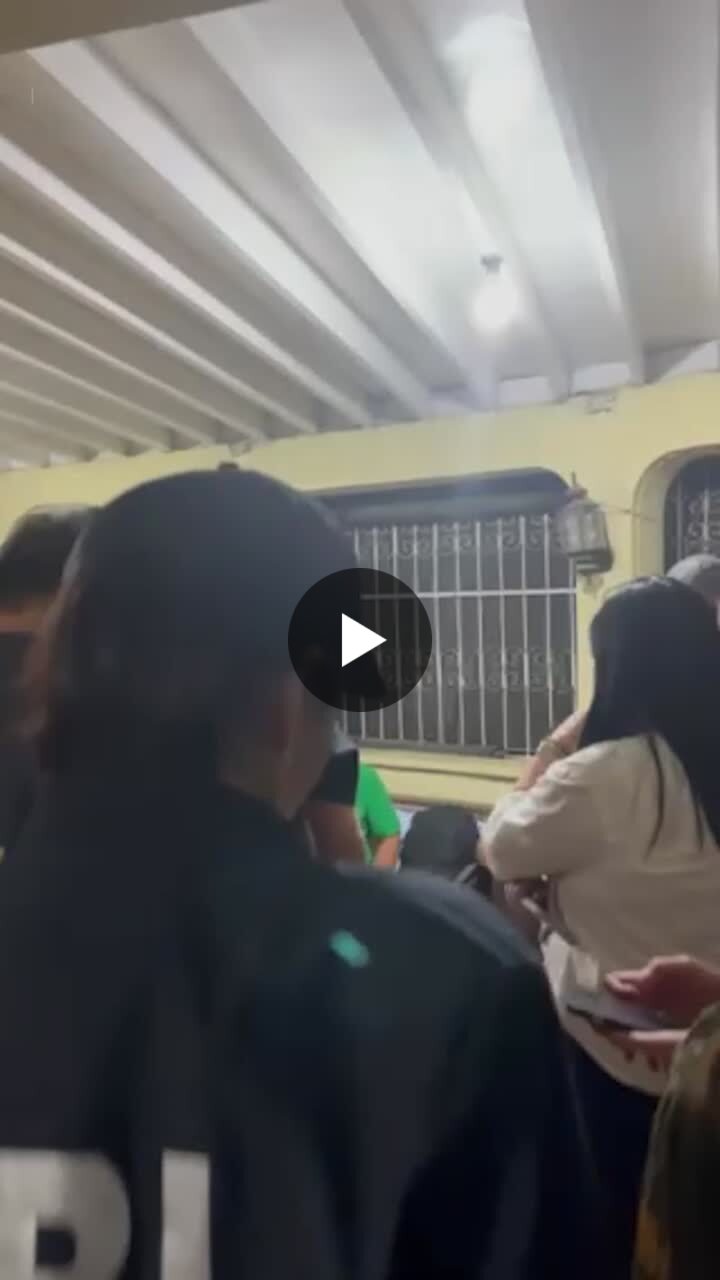
During the arrest, which was documented on video by the NBI, Sonza appeared surprised by the timing. According to witnesses, he mentioned he was preparing to post bail for the charges, suggesting he may have been aware of the case against him but was caught off guard by the execution of the arrest warrant.
The case raises important questions about the boundaries between commentary, opinion, and factual reporting in an era when traditional media and social media platforms increasingly overlap. Legal analysts point out that the distinction between protected speech and punishable misinformation remains a complex and evolving area of Philippine jurisprudence.
As the case proceeds through the judicial system, it is likely to attract significant attention from media watchdogs, legal observers, and political analysts. The outcome could potentially influence how similar cases are handled in the future and may impact how journalists and commentators approach reporting on sensitive matters related to public officials.
The Marcos administration has not issued an official statement regarding the specific case, though government communications officials have previously emphasized the importance of factual accuracy in reporting about the President and other officials.
Fact Checker
Verify the accuracy of this article using The Disinformation Commission analysis and real-time sources.

10 Comments
While I understand the desire to crack down on misinformation, I hope the authorities handle this case carefully to avoid setting a precedent that could chill legitimate journalistic inquiry and commentary, even if unpopular. Transparency will be key.
Agreed, the line between misinformation and protected speech can be blurry. The government will need to demonstrate a clear and compelling public interest to justify this arrest, in my view.
As someone who follows mining and energy news closely, I’m curious to see if this case has any implications for the reporting and commentary around those industries. The spread of misinformation is a concern, but the response must be balanced and proportionate.
That’s a good point. The mining and energy sectors are often subject to rumors and speculation, so it will be important to monitor how this case impacts the broader media landscape covering those industries.
This arrest raises important questions about press freedom and the government’s role in policing speech, even if it’s deemed false or misleading. I hope the authorities provide a clear and compelling justification for this action to allay concerns about overreach.
This arrest highlights the growing challenge of combating the spread of misinformation, especially through prominent media figures. It will be interesting to see the details behind the specific claims made and how the courts evaluate the line between free speech and public interest.
You raise a good point. This case touches on the broader debate around balancing freedom of expression and the need to prevent the spread of harmful falsehoods. It will be important to follow how the legal proceedings unfold.
While the spread of misinformation is undoubtedly a concern, I’m cautious about any actions that could be seen as an attempt to suppress critical or dissenting voices. Robust public discourse is essential, even if it means tolerating some falsehoods. The authorities will need to tread carefully here.
Agreed, maintaining the appropriate balance between addressing misinformation and preserving free speech is crucial. This case will be an important test case for how the Philippine government approaches this challenge.
This is certainly a complex issue. On one hand, the spread of false claims about a president’s health could be seen as a threat to public trust and stability. But on the other, we must be vigilant about not overreaching in the name of combating misinformation.