


Listen to the article
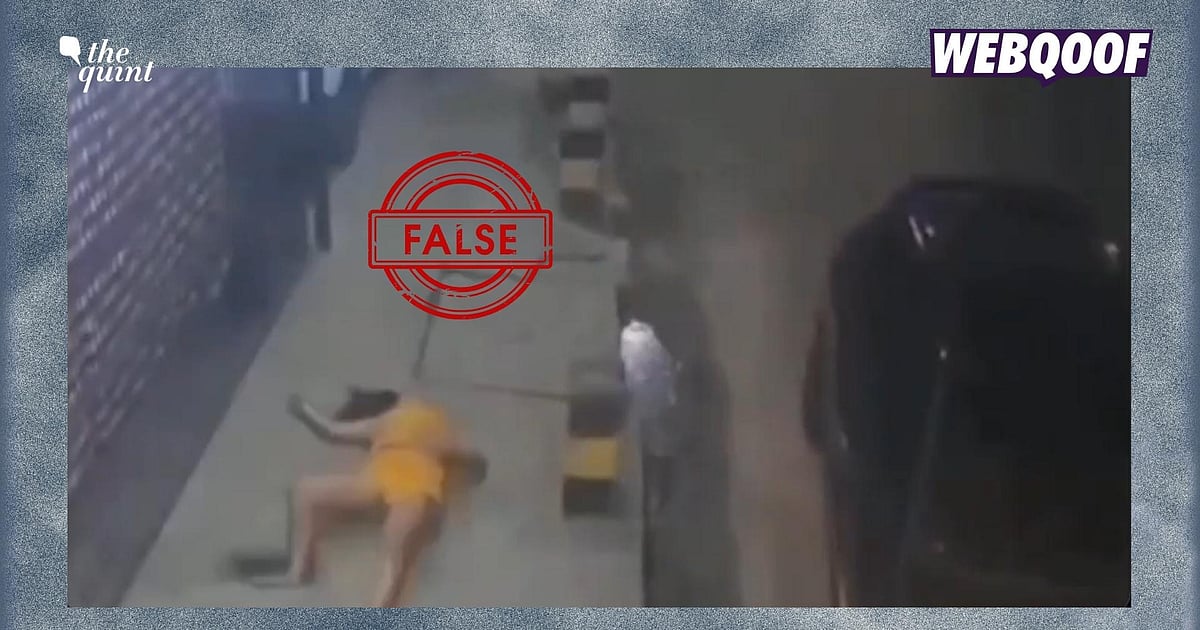
In a disturbing case of viral misinformation, social media users have been widely sharing a video purportedly showing a woman being thrown from a moving vehicle in Faridabad, Haryana, following an alleged three-hour sexual assault. The claims have sparked concern across social media platforms, but a fact-check reveals the footage originated from an entirely different continent.
The brief 20-second clip shows a woman falling onto pavement from a moving car, landing heavily on the ground as the vehicle continues driving. The graphic nature of the video and the accompanying narrative suggesting sexual violence contributed to its rapid spread across Indian social media networks.
However, authorities and fact-checking organizations have confirmed that the incident did not occur in Haryana or anywhere else in India. The footage actually documents an incident that took place in Macapá, a city in northern Brazil. This represents yet another instance of international content being falsely localized to generate alarm within Indian communities.
The misattribution of the video highlights a growing trend of digital misinformation that combines genuine footage with fabricated narratives tailored to specific regional audiences. Such content often spreads rapidly through messaging apps like WhatsApp before migrating to more public platforms such as Twitter, Facebook, and Instagram.
Law enforcement agencies in Faridabad have issued statements denying any such incident occurring within their jurisdiction. “We urge citizens to verify information through official channels before sharing potentially misleading content,” said a police spokesperson from the Haryana region when asked about the circulation of the video.
Digital rights advocates point to this case as exemplifying the dangers of unverified content sharing, particularly when involving sensitive subjects like sexual assault. “When misinformation involves allegations of violent crime, it not only misleads the public but can create unnecessary panic and undermine trust in actual crime reporting,” explained Ravi Kumar, a digital media analyst specializing in online misinformation trends.
This incident is part of a larger pattern where international content gets repurposed with false local claims. Similar cases have been documented across India, where videos from other countries are presented as local incidents to generate engagement through shock value or to inflame regional tensions.
Social media platforms have implemented various measures to combat such misinformation, including partnerships with fact-checking organizations and warning labels on contested content. However, the speed at which such videos spread often outpaces verification efforts.
The original incident in Brazil had its own context and circumstances, though details remain limited in international reporting. Brazilian authorities had previously investigated the case according to local legal protocols.
Media literacy experts emphasize that users should exercise caution when encountering distressing content online, particularly videos showing apparent violence or criminal activity. “Before sharing, users should check if established news organizations have reported on the incident, search for official statements from relevant authorities, and be particularly skeptical of emotional claims that lack specific details or sources,” advised Dr. Meeta Sharma, professor of media studies at Delhi University.
The incident serves as a reminder of the importance of digital literacy in an era where visual content can be easily stripped of its original context and repurposed to spread misinformation. Authorities continue to monitor social media platforms for similar misleading content that could potentially create public concern or misdirect resources toward investigating fabricated incidents.
As this particular video continues to circulate, fact-checkers and social media platforms are working to flag the content and correct the narrative to prevent further confusion among Indian social media users.
Fact Checker
Verify the accuracy of this article using The Disinformation Commission analysis and real-time sources.

7 Comments
It’s disturbing to see how easily genuine footage can be repurposed and misattributed to generate alarm. Fact-checking is essential to prevent the spread of harmful misinformation, especially around sensitive issues.
Yes, the ability to quickly verify the origin and context of online content is crucial. Fact-checkers play a vital role in combating the proliferation of false narratives that can have serious real-world consequences.
The rapid spread of this fabricated narrative is a sobering reminder of the challenges we face in the digital age. Maintaining awareness and relying on credible sources is key to preventing the amplification of damaging misinformation.
This is a concerning example of how international content can be misattributed and used to stir up alarm. It’s critical we remain vigilant against the spread of misinformation, especially around sensitive topics. Fact-checking is crucial for maintaining public trust.
Agreed. Fact-checking is vital to counter the proliferation of false narratives online. We should be cautious about quickly sharing unverified claims, no matter how compelling the story may seem.
This serves as a cautionary tale about the importance of verifying information before sharing it, especially on sensitive topics. Spreading unsubstantiated claims, even with good intentions, can contribute to the broader problem of misinformation.
Glad to see fact-checking efforts debunking this disturbing misinformation. Spreading unverified claims around sensitive incidents can cause real harm. It’s important we rely on credible sources and authorities to get the facts straight.