


Listen to the article
Federal investigators have launched an unprecedented probe into corporate diversity initiatives, marking a significant escalation in the Trump administration’s efforts to curtail such programs across American businesses.
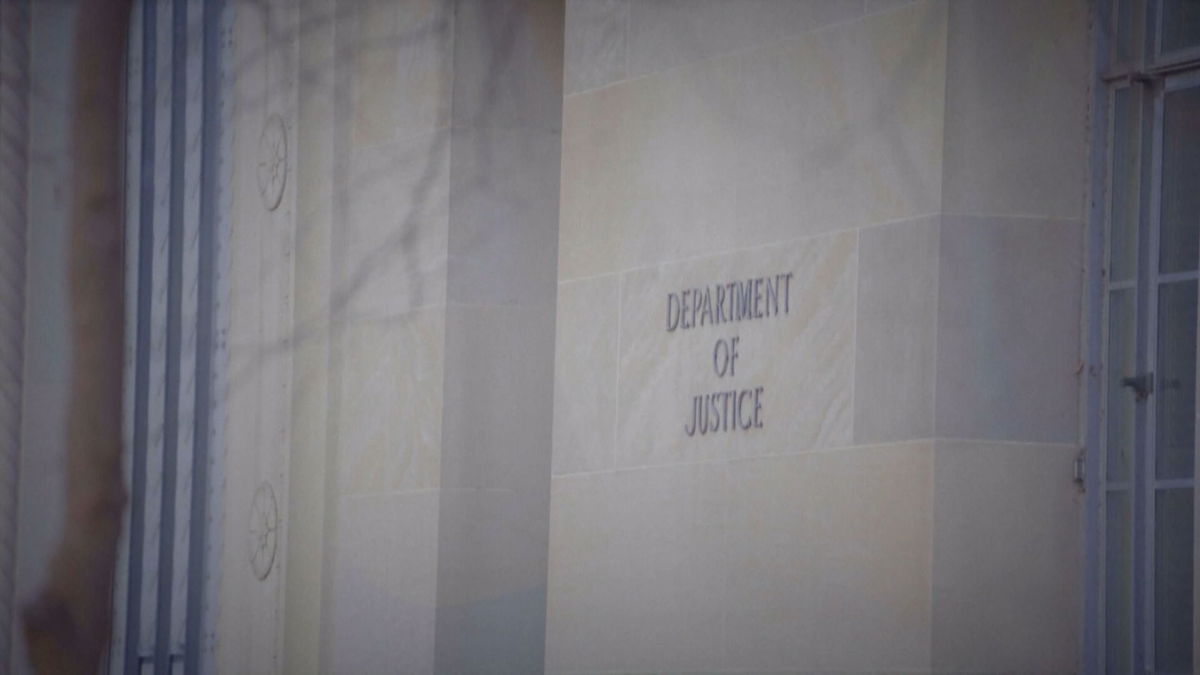
The Department of Justice has issued document demands to several major corporations, including Google and Verizon, seeking detailed information about their workplace diversity, equity, and inclusion (DEI) programs, according to a recent Wall Street Journal report. The investigation spans multiple sectors, targeting companies in automotive, pharmaceutical, defense, and utilities industries.
What makes this investigation particularly notable is the legal mechanism being employed. The DOJ is utilizing the False Claims Act, a powerful federal civil law originally designed to combat fraud against the government. This legislation allows federal authorities to recover funds that were allegedly lost due to fraudulent activities.
Several of the companies under investigation have already engaged in face-to-face meetings with Justice Department officials, signaling the seriousness of the inquiry. The specifics of these discussions remain confidential, but industry analysts suggest the government may be exploring whether diversity initiatives violate federal contracting requirements or constitute misrepresentation to government agencies.
This probe aligns with President Donald Trump’s broader policy agenda since returning to office in January. The administration has moved swiftly to dismantle federal DEI programs across government agencies. Now, this investigation represents a significant expansion of those efforts into the private sector.
Corporate diversity initiatives have become increasingly common over the past decade, with many large companies implementing formal programs following social justice movements and increasing stakeholder pressure for workplace equity. These programs typically focus on recruiting, retaining, and promoting employees from underrepresented backgrounds.
The business community’s reaction has been mixed. Some corporate leaders view the investigation as government overreach into private business practices, while others have quietly scaled back their diversity programs in anticipation of increased scrutiny. Legal experts note that this approach—using fraud prevention laws to target diversity initiatives—represents a novel legal strategy with potentially far-reaching implications.
Market analysts point out that this investigation creates new regulatory uncertainty for publicly traded companies, many of which have made public commitments to diversity goals. Some businesses may face difficult decisions between maintaining their stated corporate values and avoiding potential government penalties.
The tech and telecommunications sectors, where Google and Verizon are major players, have been particularly active in implementing diversity programs in recent years. Both companies have previously published diversity reports highlighting efforts to increase representation of women and minorities in their workforces. Neither company has publicly commented on the investigation.
This probe comes amid a broader national debate about the role and effectiveness of corporate diversity initiatives. Critics argue some programs create reverse discrimination or emphasize identity over merit, while supporters contend they help correct historical imbalances and create more innovative, competitive companies.
The investigation’s outcome remains uncertain, but it signals a significant shift in the federal government’s approach to corporate diversity policies. Legal experts suggest that regardless of whether formal charges are filed, the investigation itself may create a chilling effect on DEI programs across American businesses.
As this story develops, many corporate leaders are likely reassessing their diversity strategies while carefully monitoring the Justice Department’s next moves in what has quickly become a flashpoint in America’s ongoing conversation about workplace equity and government oversight.
Fact Checker
Verify the accuracy of this article using The Disinformation Commission analysis and real-time sources.

14 Comments
This investigation by the DOJ is a concerning development that could have far-reaching implications for corporate diversity programs. I’ll be following this story closely to see how it unfolds and what the department’s legal rationale is.
The potential use of the False Claims Act to target DEI initiatives is particularly noteworthy and raises questions about the DOJ’s broader agenda. I hope the department’s actions are transparent and based on legitimate legal concerns.
Diversity, equity, and inclusion initiatives are important for creating more representative and equitable workplaces. I’m concerned that this DOJ investigation could undermine those efforts, and I’ll be watching closely to see the outcome.
The use of the False Claims Act in this context raises significant legal and ethical questions. I hope the DOJ’s actions are driven by legitimate concerns and not political motivations.
This is a concerning development that could have significant implications for corporate diversity programs across multiple industries. I hope the DOJ’s actions are driven by legitimate legal concerns and not political agendas.
The potential use of the False Claims Act to target DEI initiatives raises serious questions about the department’s motivations and the broader implications for workplace inclusion efforts.
While I understand the need for rigorous oversight, leveraging the False Claims Act to target diversity programs seems like a stretch. I’m curious to learn more about the DOJ’s specific allegations and legal rationale.
This move could have a chilling effect on companies’ efforts to promote inclusion and representation in the workplace. I hope the investigation is conducted transparently and with due consideration of the potential impacts.
This investigation by the DOJ seems like a concerning escalation in efforts to curtail corporate diversity initiatives. I hope the department’s actions are grounded in legitimate legal concerns and not driven by political motivations.
The use of the False Claims Act is particularly noteworthy and raises questions about the DOJ’s broader agenda. I’ll be closely following this story to see how it unfolds.
Diversity, equity, and inclusion initiatives are important for fostering more inclusive and representative workplaces. I’m concerned that this DOJ investigation could undermine those efforts, and I’ll be watching closely to see how it plays out.
The use of the False Claims Act is an unusual legal mechanism for this type of inquiry. I’m curious to hear more from legal experts on the DOJ’s justification for this approach.
While I understand the need for oversight, using the False Claims Act to investigate corporate diversity programs seems like a heavy-handed approach. I’ll be following this story closely to see how it unfolds.
This move by the DOJ could have a chilling effect on companies’ efforts to promote diversity and inclusion. I hope the department conducts its investigation transparently and with due consideration of the potential impacts.