


Listen to the article
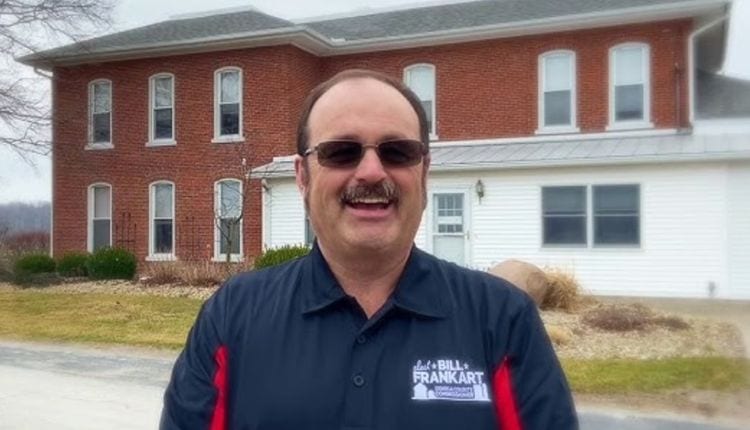
In a significant development concerning local waste management oversight, Seneca County Commissioner Bill Frankart has acknowledged under oath that he made inaccurate public statements regarding a local landfill and the regional solid waste district, according to a report published Monday by the Advertiser-Tribune.
The newspaper obtained a deposition transcript through a public records request, revealing that Frankart was questioned extensively by attorneys representing WIN Waste Innovations as part of ongoing litigation involving the Ottawa-Sandusky-Seneca Joint Solid Waste Management District.
During the May 2024 deposition, Frankart admitted he had not taken steps to correct claims he previously made in public forums and in written testimony submitted to state lawmakers. The questioning was connected to a lawsuit filed by WIN Waste in Sandusky County, which was later dismissed. A related federal case involving similar parties reached resolution in 2025.
One of the key discrepancies involved Frankart’s previous assertion that Seneca County had been routinely outvoted by other counties on waste management oversight issues. When questioned under oath, he acknowledged that this claim was not accurate during his tenure on the board, failing to provide evidence of such voting patterns.
The Advertiser-Tribune report also highlighted that when pressed for specific examples, Frankart could not substantiate his prior public claims suggesting the landfill had established a pattern of regulatory violations in recent years. This contradicts public statements he had made suggesting ongoing compliance issues at the facility.
Furthermore, when attorneys asked whether he possessed evidence that the landfill operations had caused health impacts in the surrounding community or exceeded regulatory thresholds for environmental compliance, Frankart indicated he did not have such information, according to the deposition excerpts cited in the newspaper’s report.
The waste management industry in Ohio has faced increasing scrutiny in recent years as communities grapple with environmental concerns and regulatory compliance issues. Regional solid waste districts like the Ottawa-Sandusky-Seneca Joint Solid Waste Management District play crucial roles in overseeing waste disposal operations and ensuring environmental standards are maintained.
WIN Waste Innovations, which operates the landfill in question, provided a statement to the newspaper challenging Frankart’s past characterizations. The company pointed to inspection data they claim shows no enforcement actions in recent years, though they did not provide the underlying records with their statement. WIN Waste indicated these records would be available for in-person review.
The timing of these revelations is particularly notable, as they emerged just one day before the Republican primary election in which Frankart is seeking another term as county commissioner. The disclosure could potentially influence voter perceptions regarding his oversight role and public statements about environmental compliance issues.
When contacted by the Advertiser-Tribune prior to publication, Frankart did not directly address the questions raised about his testimony. Instead, a response provided on his behalf indicated that additional time would be needed to review the information before commenting further.
The situation highlights the complex intersection of local governance, environmental regulation, and waste management operations in rural Ohio counties. It also underscores the importance of accurate public statements by elected officials regarding regulatory compliance and environmental monitoring of facilities like landfills that can generate significant public concern.
Readers interested in the complete details can access the full report on the Advertiser-Tribune’s website.
Fact Checker
Verify the accuracy of this article using The Disinformation Commission analysis and real-time sources.

14 Comments
It’s concerning to see an elected official admit to making false statements, especially on an issue as important as waste management. Transparency and truthfulness should be non-negotiable for public servants.
Absolutely. Maintaining the public’s trust is critical for effective governance. This case highlights the need for stronger oversight and accountability mechanisms in local government.
This development is quite troubling. Frankart’s deposition raises red flags about transparency and decision-making in the waste management district. I hope this leads to a thorough review of their operations.
You’re right, this is a concerning breach of trust. Restoring public confidence in the district’s activities should be a top priority moving forward.
It’s disconcerting to see a public official admit to making inaccurate statements, especially on an issue that impacts the community. Rigorous oversight and fact-checking are clearly needed.
Absolutely. This case highlights the need for robust checks and balances to ensure integrity in local government. Residents deserve leaders they can trust.
This is a serious matter. Commissioner Frankart’s admission of making false statements is concerning and erodes public trust. Transparency and accountability are crucial for effective governance.
I agree. Elected officials should be held to high standards of honesty and integrity. This deposition raises important questions about the decision-making process in the waste management district.
As a resident, I’m disappointed to see a local official admit to making false statements. Maintaining integrity in government is crucial for effective policymaking and public trust.
I share your concern. Elected leaders must be held accountable for their actions and statements. Transparency and fact-based decision-making should be the norm.
This is a worrying development. If Commissioner Frankart made inaccurate public statements, it raises questions about the reliability of the waste management district’s operations and oversight. Thorough investigation is warranted.
Agreed. Frankart’s admission undermines confidence in the district’s governance. A comprehensive review of their practices and decision-making processes would be prudent to ensure proper accountability.
This development is deeply troubling. If the deposition accurately reflects Commissioner Frankart’s statements, it represents a serious breach of the public’s trust. Rigorous scrutiny of the waste management district’s operations is clearly warranted.
I agree. Frankart’s admission raises serious questions about the integrity and transparency of the district’s decision-making. Restoring public confidence should be a top priority.