


Listen to the article
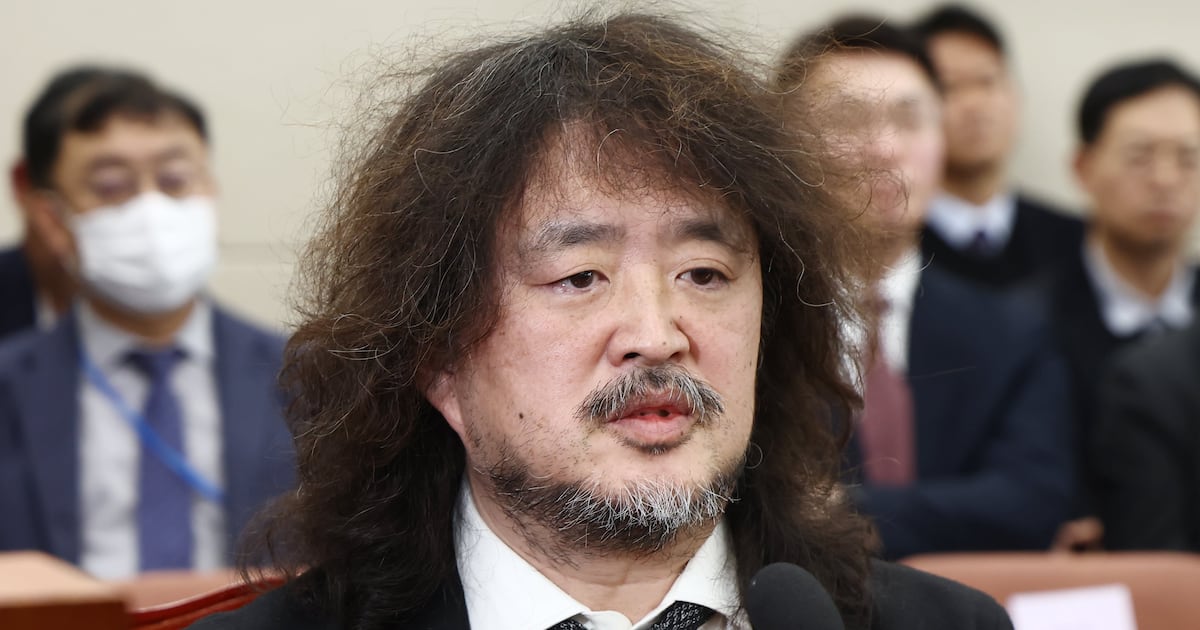
Korean civic organization Right Way has filed a defamation complaint against controversial political commentator and YouTuber Kim Ou-joon, accusing him of making false statements about the group’s fundraising activities.
The complaint, submitted to the Seoul Central District Prosecutors’ Office yesterday, centers on comments Kim made during a recent broadcast of his popular YouTube show. According to Right Way representatives, Kim falsely claimed the organization had engaged in “fraudulent fundraising” and misled donors about how their contributions would be used.
“Kim Ou-joon deliberately spread misinformation about our legally conducted fundraising campaign, damaging our reputation and causing public mistrust,” said Park Min-ho, Right Way’s legal affairs director, at a press conference following the filing. “His statements were not based on facts but appear politically motivated to discredit voices critical of the current administration.”
The dispute highlights the growing tension between pro-government media personalities and conservative civic groups in South Korea’s increasingly polarized media landscape. Kim, who rose to prominence with his left-leaning podcast “Nakkomsu” during the Lee Myung-bak administration, has become one of the most influential voices supporting President Yoon Suk Yeol’s government.
Right Way’s complaint specifically references Kim’s April 15 broadcast, during which he allegedly claimed the organization was “siphoning money from unsuspecting conservatives” and suggested their fundraising campaigns were “fronts for personal enrichment.” The group maintains all their financial activities are transparent and fully compliant with South Korean law.
Legal experts suggest the case will test the boundaries between political commentary and defamation in South Korea’s digital media environment. Defamation laws in the country are notably strict, with truth not always serving as an absolute defense if statements are deemed to have damaged reputation without sufficient public interest justification.
“In South Korea’s legal framework, even truthful statements can constitute defamation if they’re primarily intended to damage reputation rather than serve a legitimate public interest,” explained Dr. Lee Jung-hee, a media law professor at Seoul National University. “However, courts have increasingly recognized broader protections for political speech and commentary on matters of public concern.”
Kim Ou-joon’s rise as a digital media influencer reflects South Korea’s shifting media consumption patterns. Traditional newspapers and broadcast networks have lost ground to YouTube channels and podcasts, particularly among younger demographics. His channel currently boasts over 1.5 million subscribers, giving him significant reach and influence in the political discourse.
The YouTuber has previously faced similar legal challenges. In 2021, he was ordered to pay compensation in a civil defamation case brought by a former prosecutor, and he currently faces separate criminal defamation charges filed by opposition politicians.
When reached for comment, Kim’s production team stated he would not discuss ongoing legal matters but maintained that his commentary falls within the bounds of protected political speech. “Mr. Kim has always been committed to speaking truth to power and providing perspectives often missing from mainstream media coverage,” the statement read.
The case comes amid growing concerns about the polarization of South Korean media and increasing hostility between political factions. Media watchdog organizations have noted that both progressive and conservative commentators increasingly operate in separate ecosystems with little substantive engagement across ideological lines.
Right Way is seeking criminal penalties for defamation and has indicated it may pursue a separate civil case for damages. Under South Korean law, criminal defamation can carry penalties of up to seven years imprisonment, though most cases result in fines or suspended sentences.
The prosecutor’s office is expected to decide whether to pursue charges within the next month. The outcome could have significant implications for the boundaries of political commentary in South Korea’s evolving digital media landscape.
Fact Checker
Verify the accuracy of this article using The Disinformation Commission analysis and real-time sources.

16 Comments
Civic groups play an important watchdog role, so it’s concerning to see them accused of wrongdoing. However, the YouTuber’s motives also seem questionable. This case highlights the need for impartial fact-finding.
Well said. In these politically charged situations, it’s essential to set aside partisan biases and focus on verifying the facts. I’m curious to see how this case progresses.
This is an interesting case of alleged political defamation. It will be important to see if the civic group’s claims hold up under scrutiny. Transparency around fundraising is crucial for maintaining public trust.
Agreed. The political tensions in South Korea’s media landscape make this a complex issue. I’m curious to learn more about the evidence on both sides.
This case seems to be a classic example of the challenges in navigating today’s polarized media landscape. I’m curious to see how the facts play out and whether the civic group can substantiate their claims.
Well put. In an environment where misinformation can spread rapidly, it’s essential that all parties involved in this dispute are held to high standards of evidence and transparency.
Defamation lawsuits can be tricky, as determining the truth often comes down to competing narratives. It will be interesting to see what evidence the civic group can present to support their claims.
You raise a good point. In these types of high-profile cases, the public scrutiny and political tensions can make it challenging to get to the bottom of the facts.
The mining and energy industries are under increasing scrutiny, so allegations like these can have far-reaching consequences. I hope the truth comes to light through a fair and transparent process.
Absolutely. Public trust is crucial for the continued success and sustainability of these critical sectors. A thorough investigation is warranted to ensure accountability on all sides.
As someone interested in the mining and energy sectors, I’ll be keeping an eye on this story. Allegations of improper fundraising or political bias could have wider implications for public trust in these industries.
Agreed. Maintaining credibility and transparency is crucial, especially for those in the public eye. I hope the truth comes to light through a fair and thorough investigation.
As someone with an interest in the mining and energy sectors, I’ll be following this story closely. Allegations of improper conduct or political bias can have serious ramifications, so I hope the truth comes to light.
Agreed. Maintaining public trust is vital for these industries, so it’s important that any claims of wrongdoing are thoroughly investigated and verified. I look forward to seeing how this case unfolds.
The mining and energy sectors are closely watched, so allegations of improper conduct tend to draw a lot of attention. I’ll be following this story to see how it unfolds.
Absolutely. Accountability and ethical behavior are paramount, especially for those with large public platforms. This case highlights the need for rigorous fact-checking.