


Listen to the article
Cape Cod Chips Face Lawsuit Over “No Preservatives” Claims
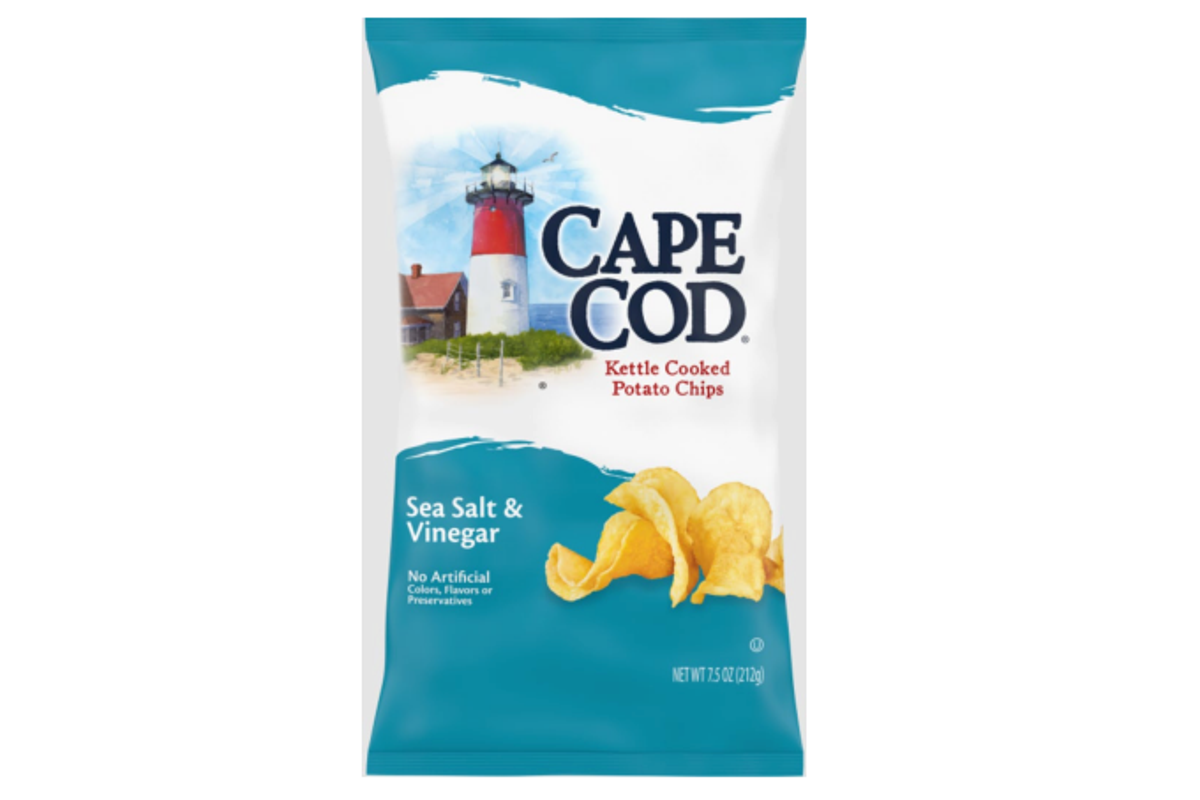
A potential class action lawsuit has been filed against the makers of Cape Cod potato chips, alleging the company falsely advertises its products as free from artificial colors, flavors, and preservatives.
Filed on October 23 in New York federal court, the lawsuit was brought by Brooklyn shopper Rozaliya Ripa, who claims she purchased the kettle-cooked chips “numerous times” under false pretenses, including during an August visit to a Stop & Shop store.
According to court documents, Ripa would not have purchased the chips, or would have only been willing to buy them at a lower price, had she known the marketing claims were allegedly misleading.
At the center of the legal challenge is the presence of citric acid in Cape Cod chips. The lawsuit contends this ingredient is “no longer commercially available” in its natural form and is instead produced synthetically “using industrial chemicals to render the ingredient from mold.” This manufacturing process, the plaintiff argues, contradicts the brand’s claims of having no artificial preservatives.
Campbell’s Company, which acquired Cape Cod in 2018 as part of its snack portfolio expansion, declined to address the specific allegations in the pending litigation. In a statement to The Independent, the company said only that “Cape Cod chips are made with high quality, carefully selected ingredients.”
An initial conference for the case has been scheduled for December, marking the beginning of what could be a lengthy legal process. This is not the first such challenge the brand has faced—a similar lawsuit was filed in July alleging that the company “markets its products in a systematically misleading manner by misrepresenting that the products do not contain preservatives.”
The iconic chip brand has deep roots in Massachusetts, where it was founded in 1980 in the coastal town of Hyannis. Cape Cod continues to manufacture its products there, maintaining a strong regional identity that has contributed to its popularity. A recent MarketBeat survey recognized Cape Cod chips as the most beloved American-made product in Massachusetts, highlighting the brand’s cultural significance in its home state.
This lawsuit reflects a growing trend of consumer legal actions targeting food manufacturers over ingredient and marketing claims. As shoppers become increasingly concerned about what goes into their food, companies face heightened scrutiny regarding packaging claims and ingredient transparency.
The legal challenge comes amid broader shifts in the American food industry. Just months ago, Del Monte Foods—a 139-year-old company known for canned fruits and vegetables—filed for bankruptcy protection, demonstrating the challenging market conditions even established food brands face. Del Monte CEO Greg Longstreet noted that “a court-supervised sale process is the most effective way to accelerate our turnaround and create a stronger and enduring Del Monte Foods.”
Food industry analysts point to changing consumer preferences as a key driver of these developments. Today’s shoppers increasingly demand products they perceive as natural and free from artificial ingredients, creating pressure on companies to reformulate products or adjust their marketing claims.
The Cape Cod case represents part of a larger wave of litigation against food companies over labeling claims. Similar cases have targeted terms like “natural,” “all-natural,” and “no artificial ingredients,” which lack strict regulatory definitions but carry significant marketing value.
For Campbell’s, which has worked to diversify its portfolio beyond traditional soup products through acquisitions like Cape Cod, the lawsuit poses both legal and reputational challenges as consumers increasingly factor transparency and ingredient quality into their purchasing decisions.
Fact Checker
Verify the accuracy of this article using The Disinformation Commission analysis and real-time sources.

8 Comments
As a fan of Cape Cod chips, I hope they can resolve this lawsuit amicably. Synthetic additives, even if technically allowed, go against the spirit of ‘natural’ claims. Curious to hear the company’s response and see if they adjust their marketing.
Me too. Brands need to be held accountable if they make misleading health/ingredient claims, even for popular products. Hopefully this leads to more accurate labeling across the snack food industry.
Citric acid is a common preservative, so I’m not surprised to see it in Cape Cod chips despite their ‘no preservatives’ claim. The lawsuit seems to hinge on whether their specific manufacturing process qualifies as ‘artificial.’ Curious to see the legal arguments on both sides.
Good point. The legal definition of ‘artificial’ vs ‘natural’ preservatives can get tricky. I’ll be interested in the court’s interpretation and how it may impact food labeling standards going forward.
As someone who tries to avoid artificial additives, I appreciate this consumer bringing the lawsuit. Transparency around ingredients is crucial, especially for products marketed as ‘natural.’ Hopefully this leads to more accurate labeling across the snack food industry.
Interesting lawsuit against Cape Cod over their ‘no preservatives’ claims. Consumers have a right to accurate labeling, so it’s concerning if they’re using synthetic citric acid despite their marketing. I’m curious to see how this plays out.
Agreed, transparency around ingredients is important, especially for brands touting natural claims. I’ll be watching this case closely to see if the allegations hold up.
Synthetic citric acid may technically be allowed, but it goes against the spirit of ‘no preservatives’ claims. I’m glad to see consumers holding food companies accountable for misleading marketing. It will be interesting to see how Cape Cod responds to the allegations.