


Listen to the article
In a legal challenge that spotlights growing consumer concerns over food labeling practices, Cape Cod Potato Chips faces a class action lawsuit alleging misleading claims about its ingredients.
Filed in late October in a New York federal court, the lawsuit centers on the brand’s prominent packaging statement: “No Artificial Colors, Flavors or Preservatives.” Plaintiff Rozaliya Ripa claims this assertion is false advertising, contending that the chips contain synthetic citric acid, which she argues is an artificial ingredient.
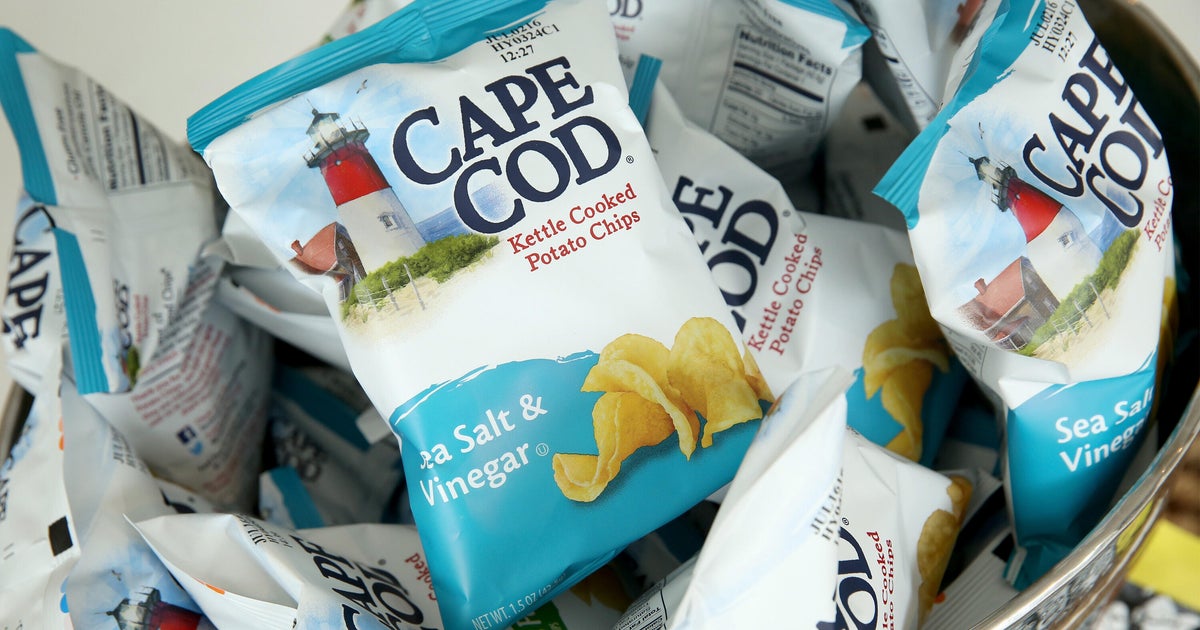
Ripa purchased a bag of sea salt and vinegar-flavored Cape Cod chips at a Brooklyn Stop & Shop for $3.99 in August. According to court documents, she would not have made the purchase—or would have paid substantially less—had she known the product contained what she considers a synthetic ingredient.
“Defendant makes these natural claims in an effort to capitalize on the growing market for natural products,” the lawsuit states. “Health-conscious consumers are willing to pay a price premium for products labeled and advertised as natural because they believe that such products are safer and/or healthier to consume.”
The legal filing specifically takes issue with citric acid, an ingredient commonly used in food products as a flavoring agent or preservative. The lawsuit cites the U.S. Department of Agriculture, claiming that naturally derived citric acid is “no longer commercially available” due to prohibitive costs. Instead, the filing asserts that food manufacturers use synthetic citric acid produced with “industrial chemicals.”
More controversially, the lawsuit alleges potential health concerns associated with synthetic citric acid, claiming links to conditions including “asthma, juvenile idiopathic arthritis, autistic spectrum disorder and fibromyalgia.”
When contacted by WBZ-TV, a spokesperson for The Campbell’s Company, which has owned the Cape Cod chip brand since 2018, declined to comment on the pending litigation.
The case highlights the increasing scrutiny of “natural” food claims in an era when health-conscious consumers are willing to pay premium prices for products they perceive as more wholesome. The natural food and beverage market has experienced substantial growth over the past decade, with sales exceeding $47 billion annually in the United States alone, according to industry analysts.
Food manufacturers have responded with various “natural” labeling claims, but the term lacks a standardized definition under Food and Drug Administration regulations. This regulatory gap has led to numerous legal challenges across the food industry, with companies including Kellogg’s, General Mills, and Frito-Lay facing similar lawsuits in recent years.
Cape Cod Potato Chips, founded in 1980, continues to be produced in Hyannis, Massachusetts, maintaining its regional identity despite its acquisition by the food industry giant Campbell’s. According to financial media company MarketBeat.com, a September survey identified Cape Cod Potato Chips as the “most loved homegrown brand” among Massachusetts residents.
The brand previously offered factory tours at its Hyannis facility, though its website indicates these are currently unavailable. The manufacturing location is significant as part of the brand’s identity and marketing, emphasizing its New England heritage and artisanal production methods.
The lawsuit seeks unspecified damages and aims to represent consumers who purchased Cape Cod chips based on the “no artificial ingredients” claim. Legal experts suggest the case could turn on the technical definition of “artificial” and whether synthetic citric acid reasonably falls within consumer expectations for natural products.
This case represents part of a broader trend of litigation challenging food labeling claims, reflecting heightened consumer demand for transparency in the food supply chain and growing skepticism toward marketing language perceived as misleading.
Fact Checker
Verify the accuracy of this article using The Disinformation Commission analysis and real-time sources.

6 Comments
As someone who tries to eat healthier, I appreciate consumers taking a stand against potentially misleading claims. Transparency in food labeling is important, even for seemingly simple products like potato chips.
Food companies have to be very careful with their marketing claims these days. Consumers are savvier than ever about reading labels and ingredient lists. This lawsuit could set an important precedent.
This lawsuit highlights the growing consumer demand for natural, minimally processed foods. Companies will need to be very careful about their marketing claims going forward to avoid legal challenges.
Consumers are increasingly seeking out products they perceive as ‘natural’, so it’s understandable they’d be concerned about potential misleading claims. I’m curious to hear the company’s defense on this.
Lawsuits like this highlight the complexities around defining ‘natural’ ingredients. The line between natural and synthetic can sometimes be blurry. Hopefully this case provides more clarity for consumers.
This lawsuit raises some interesting questions around food labeling and what consumers consider ‘natural’. It will be worth following how the court interprets the claims about citric acid.