


Listen to the article
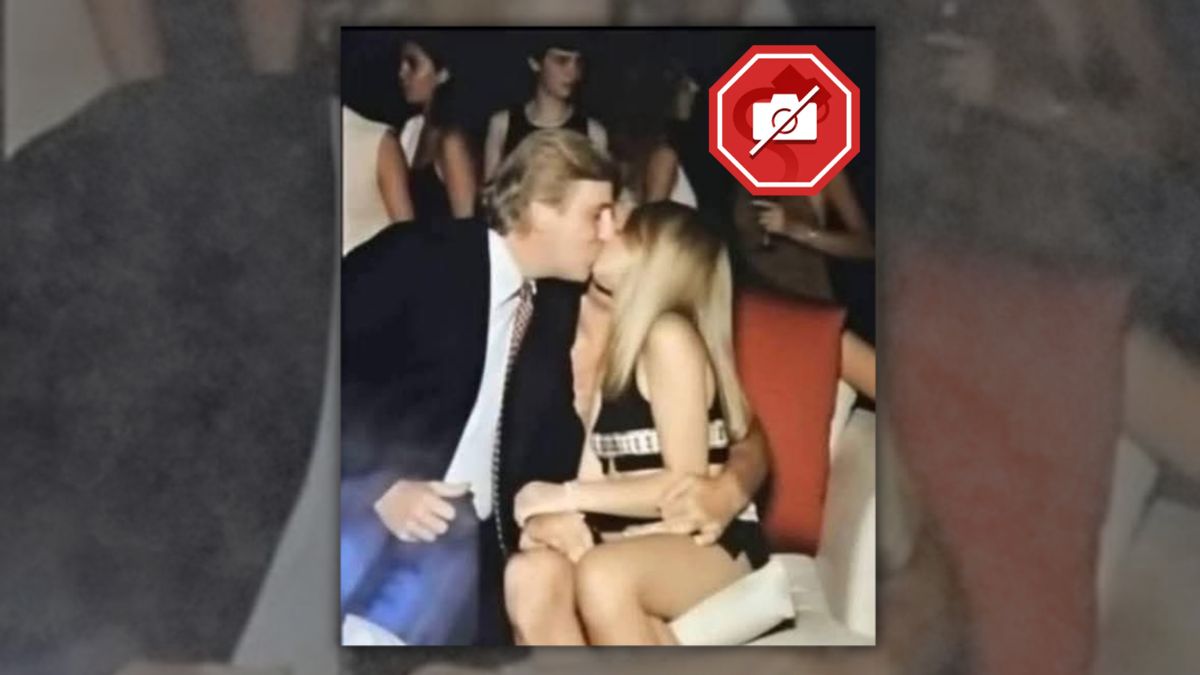
In a significant case of AI-generated misinformation, a fabricated photograph purportedly showing former U.S. President Donald Trump kissing a young girl has been circulating widely across multiple social media platforms since March 2026. The image has gained particular traction amid heightened public interest following the release of thousands of pages of documents related to convicted sex offender Jeffrey Epstein.
The doctored image appeared on X (formerly Twitter), 9GAG, Threads, and Facebook, often accompanied by captions urging users to “share this before it disappears” – a common tactic used to spread sensationalist content quickly. One particularly viral post on X by user @jasonllevin helped propel the image into widespread visibility.
Fact-checkers have conclusively determined the image is fake, citing numerous telltale signs of artificial intelligence generation. The most obvious indicators include anatomical impossibilities common in AI-generated imagery: distorted hands with unnaturally elongated fingers, limbs appearing at physically impossible angles, and a third leg visible on the girl in the photograph. The background also contains inconsistencies, including distorted-looking people and unnatural shadowing.
Digital forensics experts noted that this fabrication appears to be derived from another AI-generated image previously debunked by fact-checkers. That earlier fake depicted Trump alongside Epstein, with similar anatomical impossibilities including Trump having only one leg and Epstein appearing to “dissolve” into a couch – hallmark signs of AI image generation errors.
Multiple international fact-checking organizations have confirmed the image’s fraudulent nature. Portugal’s Observador and Peru’s Verificador La República published comprehensive analyses demonstrating how the image fails basic authenticity tests.
This fabrication represents part of a concerning pattern of AI-generated misinformation targeting political figures. Fact-checkers have debunked numerous similar fake images purporting to show Trump with underage girls, particularly since late 2025 when the House Oversight Committee released documents from Epstein’s estate, followed by the Department of Justice’s release of millions of Epstein-related files in early 2026.
Media literacy experts recommend several key indicators for identifying AI-generated images, including unusual hand renderings, inconsistent lighting, background distortions, and anatomical impossibilities – all present in this fabrication.
The timing of this particular piece of misinformation coincides with heightened public scrutiny following congressional investigations into Epstein’s connections. In November 2025, the House Oversight Committee released email correspondence from Epstein’s files that generated significant media attention.
The rapid spread of this fabricated image highlights growing challenges in distinguishing authentic media from AI-generated content, particularly when emotionally charged or politically divisive subjects are involved. Social media platforms continue to struggle with containing such misinformation before it reaches wide audiences.
Digital forensics experts warn that as AI technology improves, detecting such forgeries will become increasingly difficult, making media literacy and critical evaluation of sources more crucial than ever for the general public.
Fact Checker
Verify the accuracy of this article using The Disinformation Commission analysis and real-time sources.

10 Comments
This is a good reminder to always double-check the source and look for telltale signs of photoshopping or AI manipulation. Spreading unverified content, especially about public figures, can have serious consequences.
Well said. We need to be responsible consumers of news and information in this digital age, and not contribute to the spread of misinformation.
This is a good example of why we should always be skeptical of images or videos that seem too good (or too shocking) to be true. Verifying sources is crucial in the age of digital misinformation.
Well put. It’s important to remember that not everything we see online is necessarily real, especially when it comes to sensitive topics like this.
Glad to see this false image debunked. We need to be vigilant about fact-checking and not spreading unverified content, even if it’s sensational. Maintaining trust in the media is crucial.
Absolutely. Fact-checking and source verification should be standard practice when consuming and sharing news and information online.
I’m glad the experts were able to definitively prove this image is fake. It’s important to remain vigilant and not blindly share sensational content, no matter how compelling it may seem.
Exactly. Fact-checking takes time and effort, but it’s the only way to ensure we’re not falling for manipulated or fabricated content.
Glad to see this debunked. Spreading fake photos is irresponsible and erodes trust in the media. We need to be vigilant about verifying information, especially when it comes to sensitive topics like this.
I agree, fact-checking is crucial to combat the rise of misinformation online. AI-generated fakes can be very convincing, so it’s important to rely on authoritative sources.