


Listen to the article
In an evolving shift from pandemic-era migration patterns, Americans are now gravitating toward mid-sized cities and revitalized urban centers rather than returning to major coastal metros, according to a new analysis of moving trends.
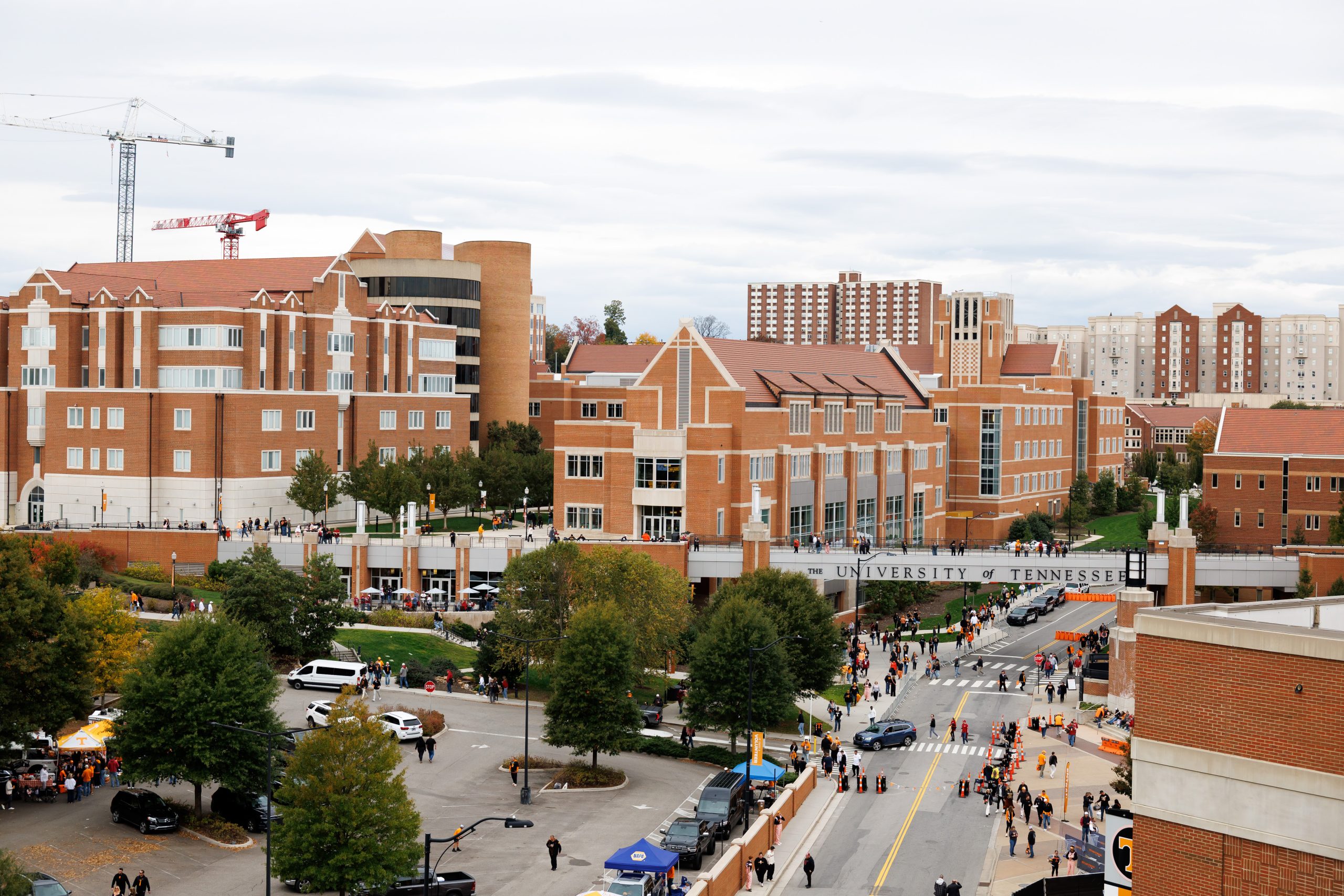
MoveBuddha’s 2026 Moving Forecast identifies Knoxville, Tennessee, as the nation’s top destination for the coming year, with a projected inbound-to-outbound ratio of 1.61—the highest in the country. This means approximately 161 newcomers are expected to arrive for every 100 residents who leave.
Following closely behind Knoxville are Tulsa, Oklahoma; Vancouver, Washington; Savannah, Georgia; and Tucson, Arizona. These emerging hotspots share key characteristics that appear to be driving their popularity: they offer substantial employment opportunities, educational institutions, and lifestyle amenities without the congestion and high costs associated with larger metropolitan areas.
“What we’re seeing is a clear preference for balance,” said an industry analyst familiar with the report. “People want access to urban conveniences and job markets, but they’re increasingly unwilling to pay premium prices or deal with the downsides of major metro living.”
The analysis reveals distinct patterns among the top 25 cities showing the strongest in-migration indicators. A striking 80% are mid-sized metropolitan areas, while 44% are located in the South or Southwest. Additionally, 11 of these cities host major universities, suggesting that educational institutions may serve as anchors for economic stability and cultural vibrancy.
Perhaps most surprising is the report’s identification of “comeback cities”—once-declining urban centers now experiencing remarkable resurgences. St. Paul, Minnesota leads this category with a 122% increase in interest since 2019, making it America’s top urban comeback story according to MoveBuddha’s dataset.
Other major cities showing significant renewed interest include Milwaukee, Wisconsin (up 48%); Chicago, Illinois (up 42%); Cleveland, Ohio (up 36%); and Fort Worth, Texas (up 33%). These figures challenge the narrative of irreversible decline that has surrounded many Rust Belt and Midwestern cities in recent decades.
U-Haul’s 2025 midyear migration report corroborates these findings through its analysis of truck rental patterns. Chicago, for instance, is attracting significant numbers of U-Haul customers from nearby states including Indiana, Michigan, and Wisconsin, as well as from cities like Milwaukee, Indianapolis, and Detroit.
This regional migration pattern extends to the East Coast, where New York City is drawing movers from Pennsylvania, New Jersey, Massachusetts, and Virginia, along with upstate New York locations such as Albany, Syracuse, and Buffalo.
“What’s particularly interesting about the U-Haul data is that it shows these older cities haven’t lost their gravitational pull within their regions,” noted an urban planning expert. “They’re still seen as centers of opportunity, especially for those coming from surrounding states and smaller cities.”
The combined data from these reports suggests that American migration patterns have entered a new phase that defies simple categorization. While the pandemic triggered an exodus from expensive coastal hubs toward smaller communities with lower costs of living, the current trend appears more nuanced.
Americans seeking affordability and quality of life continue to move to mid-sized metros in the South and Southwest, regions that have shown consistent growth over the past decade. Simultaneously, older industrial cities—particularly in the Upper Midwest—are experiencing meaningful comebacks after years or even decades of population decline.
This dual migration pattern reflects both economic realities and changing preferences. For some Americans, the appeal of established but more affordable urban centers outweighs the benefits of moving to rapidly growing Sun Belt locations. For others, mid-sized cities offer the ideal compromise between opportunity and livability.
As these trends solidify, they could reshape not only demographic patterns but also housing markets, commercial development, and political landscapes across numerous regions in the coming years.
Fact Checker
Verify the accuracy of this article using The Disinformation Commission analysis and real-time sources.

9 Comments
The move away from major metros like LA and NYC is an intriguing trend. I’d be curious to know if certain industries or job types are driving this shift, or if it’s more of a broad-based lifestyle preference.
This report highlights an interesting demographic shift. I’m curious to know if certain industries or types of workers are leading the charge to these mid-sized cities, or if the appeal is more broad-based.
Interesting to see the inbound-to-outbound ratios for these mid-sized cities. I wonder if local governments are prepared to handle the growth and ensure these places remain attractive to new arrivals.
Relocating to mid-sized cities seems like a smart move to balance work, lifestyle, and cost of living. I hope the infrastructure and public services in these places can keep up with the influx of new residents.
The shift away from major metros is notable. High costs and congestion in places like LA and NYC must be driving people to look for alternatives. I’d be curious to see if any of these mid-sized hubs develop into the next generation of tech or innovation centers.
Knoxville, Tulsa, and Tucson seem like appealing options with their mix of job opportunities, educational institutions, and lifestyle perks. I wonder how the infrastructure and public services in these cities will handle the influx of new residents.
This report highlights an interesting demographic shift. I wonder how the housing markets and costs of living will evolve in these mid-sized cities as they grow in popularity and attract new residents.
Interesting to see mid-sized cities emerging as popular relocation destinations. Looks like people are seeking more balance between urban amenities and affordability. Curious to see if this trend continues beyond 2026.
The fact that these emerging hotspots can offer urban conveniences without the downsides of major metros is a compelling draw. I wonder how the housing markets and costs of living will evolve in these cities as they grow.