


Listen to the article
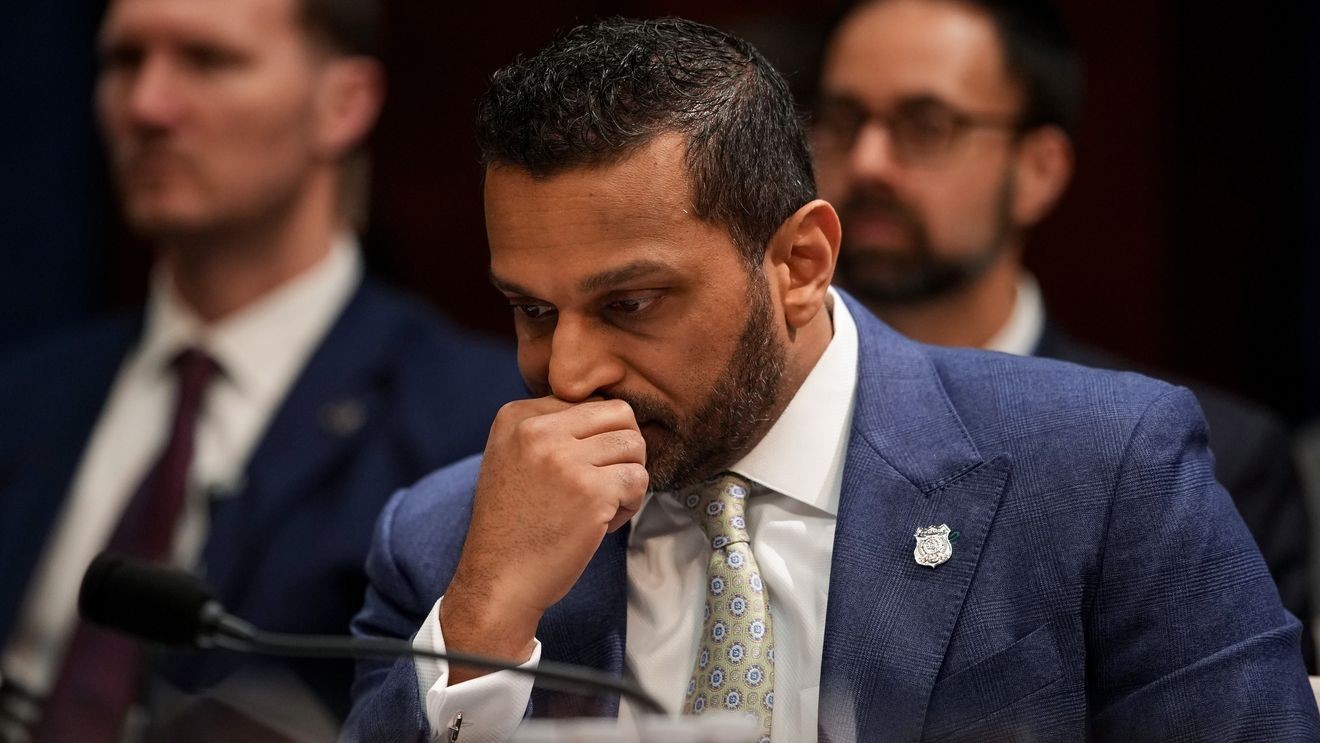
In a troubling development for federal cybersecurity, an Iran-linked hacking group has claimed responsibility for breaching the personal email of FBI Director Kash Patel. The hackers allegedly accessed and published approximately 300 older emails along with photos and documents from Patel’s personal Gmail account, according to reports from Reuters and the Associated Press.
U.S. officials have moved quickly to downplay the severity of the breach, emphasizing that no FBI systems were compromised in the attack. According to official statements, the materials obtained were described as “historical in nature” and did not contain government information. The FBI has confirmed there is no evidence that its networks were breached during this incident.
Despite these reassurances, cybersecurity experts note that the compromise of personal accounts belonging to high-ranking government officials still presents significant security concerns. Personal email accounts often contain valuable information that can be weaponized by foreign adversaries, including contact networks, communications patterns, and personal details that could be used for future social engineering attempts or blackmail operations.
The FBI has previously warned about this exact vulnerability, noting that malicious actors are increasingly targeting senior U.S. officials through sophisticated impersonation and social engineering campaigns. These attacks often extend to professional and personal contacts of high-value targets, creating multiple vectors for potential breaches.
“Even when official systems remain secure, personal accounts can be goldmines of information for foreign intelligence services,” said James Lewis, a cybersecurity expert at the Center for Strategic and International Studies, in a previous analysis of similar breaches. “Everything from travel plans to personal relationships can be exploited for intelligence purposes.”
This incident follows a disturbing pattern of similar breaches targeting U.S. government officials over the past decade. In 2015, then-CIA Director John Brennan had his personal email account hacked, prompting federal investigations. More recently, in 2023, a China-linked cyber campaign successfully accessed email accounts at multiple U.S. government agencies, including that of Commerce Secretary Gina Raimondo.
The apparent involvement of Iran-linked hackers in this latest breach adds another layer of concern. Iran has significantly increased its cyber operations against U.S. targets in recent years, often in response to geopolitical tensions. The timing coincides with heightened tensions between the United States and Iran over various Middle Eastern conflicts and ongoing nuclear negotiations.
Cybersecurity professionals point out that these attacks demonstrate the evolving sophistication of nation-state hackers. Rather than attempting to breach heavily fortified government systems, attackers increasingly target the personal digital infrastructure of key officials, which typically has fewer protections.
The FBI and other federal agencies have increasingly emphasized cybersecurity training for personnel at all levels, including guidance on securing personal devices and accounts. However, the continued success of these attacks suggests vulnerabilities remain.
While the FBI maintains that no classified or sensitive government information was compromised in this particular breach, the incident serves as a stark reminder of the persistent threat landscape facing U.S. officials. It underscores the reality that in today’s interconnected digital world, the boundary between personal and professional digital footprints has become increasingly blurred.
For the FBI, which serves as one of the primary federal agencies responsible for investigating cybercrimes, having its own director targeted presents both an embarrassment and an opportunity to highlight the pervasive nature of these threats. The agency will likely use this incident to reinforce its messaging about cybersecurity vigilance across both government and private sectors.
As investigations continue, cybersecurity measures for high-ranking officials will likely face renewed scrutiny, with potential policy changes to address the persistent vulnerability of personal accounts belonging to those with access to sensitive information.
Fact Checker
Verify the accuracy of this article using The Disinformation Commission analysis and real-time sources.

12 Comments
This incident serves as a stark reminder that no one is immune to cyber threats, not even senior government officials. Proactive cybersecurity measures and employee training are essential to mitigate these risks across all sectors.
Well said. Maintaining robust cybersecurity protocols and fostering a culture of security awareness are crucial to protecting sensitive information, no matter the source.
The Kash Patel email breach is a sobering reminder that even the most senior government figures are susceptible to cyber attacks. Ensuring robust cybersecurity measures across all levels of government should be an urgent priority.
Well said. Protecting sensitive information, whether classified or not, is crucial to maintaining public trust and national security. This incident underscores the need for continued vigilance and improvement in this area.
While the FBI may have downplayed the severity of this breach, the compromise of a high-ranking official’s personal email is a serious matter. Cybersecurity vulnerabilities can have far-reaching consequences, even if the immediate impact appears limited.
That’s a fair point. Minimizing the risks or potential damage from these kinds of incidents often fails to address the broader systemic issues that need to be addressed.
This breach highlights the need for greater oversight and accountability when it comes to government officials’ cybersecurity practices. Protecting sensitive information should be a top priority, regardless of its classification status.
Agreed. Stronger policies and training around the use of personal devices and accounts for official business could help mitigate these types of vulnerabilities in the future.
While the breached materials may not have contained classified data, the compromise of a high-profile official’s email account is still a significant security risk. Hackers could leverage this information for future attacks or to undermine public trust.
Absolutely, even if the specific content wasn’t sensitive, the broader implications of this breach are quite serious. Cybersecurity needs to be a top priority for government agencies at all levels.
This breach is a concerning reminder that even senior government officials are vulnerable to cyber threats. Personal email accounts can be a weak link, regardless of their content. Robust cybersecurity measures are essential to protect sensitive information at all levels of government.
You’re right, this incident highlights the broader cybersecurity challenges facing government agencies. Securing personal accounts and communications is just as crucial as securing official systems.