


Listen to the article
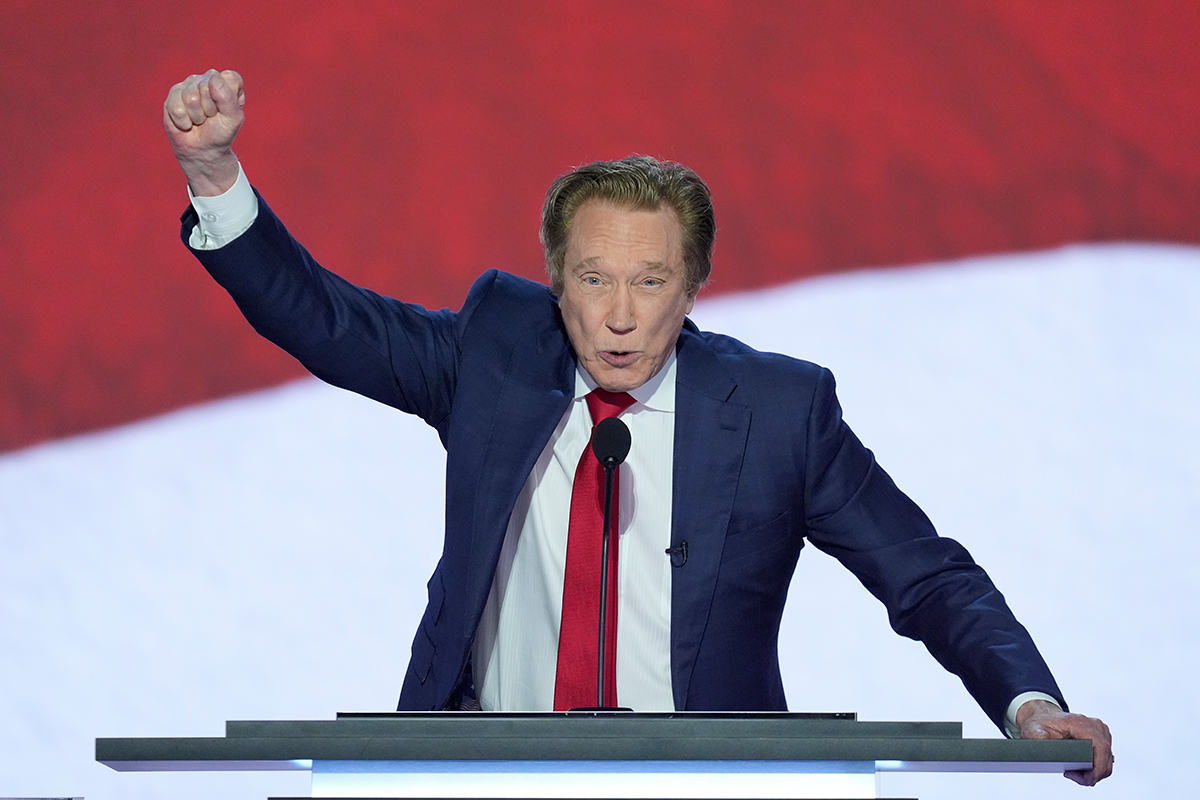
Michigan gubernatorial candidate Perry Johnson’s claim that his plan to eliminate the state income tax would save taxpayers $4,747 annually is significantly overstated, according to a new analysis.
Johnson, a wealthy Republican businessman who has invested $10 million in his campaign advertising, has been promoting the tax elimination as a cornerstone policy with the slogan “Keep your money, live your dreams.” He is one of several GOP candidates, including Mike Cox, Aric Nesbitt and Ralph Rebandt, advocating for the elimination of Michigan’s personal income tax.
The $4,747 figure highlighted in Johnson’s advertisements is based on Michigan’s 4.25% income tax rate applied to what he claims is the median income for a family of four, which he puts at $111,690. While this calculation appears straightforward, it fails to account for exemptions, subtractions and credits that reduce actual tax bills.
According to state tax data from 2021, single and joint filers earning between $110,000 and $120,000 paid an effective Michigan income tax rate of just 3.01%. Taxpayers with gross incomes of $111,691 paid an average state tax of $3,406 that year – approximately 30% less than Johnson’s claim.
“Treasury data is a better way to look at it,” said Bob Schneider, a state budget expert with the non-partisan Citizens Research Council of Michigan.
The most recent Census Bureau data shows Michigan’s median income for a four-person household is about $123,010. Filers earning that amount in 2021 paid an effective tax rate of 3.11%, or approximately $3,826 – still significantly below Johnson’s advertised savings figure.
Michigan’s flat tax structure means higher earners would benefit disproportionately from elimination. State data shows that while the 2.7 million Michigan filers with adjusted gross incomes of $50,000 would have saved an average of $162 in 2021, the 22,485 filers with incomes exceeding $1 million would have saved an average of $48,964.
The fiscal impact of eliminating the income tax would be enormous. The tax generated about $13.5 billion in revenue for Michigan last fiscal year, accounting for roughly one-third of all state funding used in annual budgets. More critically, it represents about 60% of discretionary revenue that officials can allocate without restrictions.
Michigan’s state government collected approximately $14.5 billion in unrestricted revenue last fiscal year, with personal income taxes contributing $8.4 billion. An additional $4 billion from income tax revenue flows into the School Aid Fund for education.
“You’re talking about a massive amount of the state’s general fund, and you would need to eliminate a lot of stuff,” Schneider noted. “We can evaluate whether individually, any of those are good things, but they’re not gonna get you $13 billion.”
Johnson has offered several proposals to offset the lost revenue, though many lack specificity. His plans include cutting “two cents out of every dollar of discretionary spending” (saving about $289 million), canceling “rail boondoggles” (which would save at most $122 million in state funds), implementing a state worker hiring freeze, and conducting a comprehensive audit of state departments.
He also proposes reining in the Michigan Unemployment Agency, citing billions in pandemic-era overpayments. However, experts point out that unemployment insurance is funded by employers, not individual taxpayers, making it an ineffective source for offsetting income tax revenue losses.
Johnson isn’t alone in proposing significant tax cuts without detailed plans to balance the budget. Cox has suggested he would use the same approach he employed as attorney general, calling it “a process.” Nesbitt has explicitly stated his desire to “shrink the size of government,” suggesting unspecified cuts to social welfare programs as potential targets.
Several GOP candidates are also targeting property taxes. Nesbitt and Johnson both support eliminating the State Education Tax, which raises more than $2.5 billion annually for schools. Rebandt has gone further by backing an initiative to cut all property taxes in Michigan – a move that would dramatically impact local governments, which derive up to 90% of their funding from property taxes.
James Hohman, director of fiscal policy for the Mackinac Center for Public Policy, suggests candidates may be intentionally vague about potential cuts because “there is a lobbying interest group behind every single dollar of spending from the state budget.”
As Michigan voters weigh these tax proposals, policy experts emphasize that eliminating major revenue sources would require correspondingly massive spending cuts to maintain the balanced budget required by the state constitution.
Fact Checker
Verify the accuracy of this article using The Disinformation Commission analysis and real-time sources.

16 Comments
This highlights the need for careful scrutiny of political campaign promises, especially around complex topics like taxes. While tax cuts may sound appealing, the actual savings can vary significantly from the topline numbers.
Yes, it’s a good reminder to dig into the specifics rather than just accepting claims at face value. Fact-checking helps voters make informed decisions.
This is an insightful look at the complexities of tax policy and the importance of fact-checking campaign promises. The article provides a valuable counterpoint to Johnson’s claim, showing the actual savings may be significantly less than advertised.
Agreed. Cutting through the political rhetoric to understand the real-world impact is crucial for voters to make informed decisions. This type of rigorous analysis is important.
The article’s deep dive into the details of Johnson’s tax cut claim is a great example of the value of fact-checking. It’s a reminder that we should be cautious about accepting political promises at face value and instead seek out objective analysis.
Absolutely. Providing context around effective tax rates versus headline figures is an important part of ensuring voters have a clear understanding of the actual policy impacts.
The article’s breakdown of the effective tax rate versus Johnson’s claim is a useful reality check. It’s important to understand the nuances and limitations of tax policy proposals before deciding their merits.
Agreed. This type of analysis helps cut through political rhetoric and provides a more objective assessment of the actual impact on taxpayers.
Interesting analysis on the accuracy of Johnson’s tax cut claim. It’s important to look beyond the headline figures and understand the real impact on taxpayers’ pockets. Nuanced policy discussions like this are valuable.
Agree, the details matter when evaluating tax policy proposals. Providing context around effective rates vs. headline rates gives a more complete picture.
Kudos to the journalists for taking a close look at the math behind Johnson’s tax cut claim. Transparent and fact-based reporting is crucial for voters to evaluate policy proposals accurately.
Absolutely. Detailed scrutiny of campaign promises is essential for maintaining accountability and ensuring voters have the information they need.
This is a great example of how important it is to look beyond the headline numbers when it comes to tax policy. The article’s breakdown of the effective tax rate versus Johnson’s claim provides valuable context.
Agreed. Fact-checking and providing the full picture, not just the top-line figures, is crucial for voters to make informed decisions.
The article’s analysis highlights the need for nuance and transparency when discussing complex policy issues like taxation. It’s a good reminder to be wary of simplistic claims and to seek out authoritative sources.
Absolutely. Evaluating the details and understanding the limitations of data is key to having a meaningful dialogue on important policy matters.