


Listen to the article
Trump Administration Reverses Course in Fight Against Foreign Disinformation
The Trump administration has begun urgently mobilizing resources to counter a surge of global anti-American information campaigns from adversaries including Russia, China, and Iran, marking a significant policy reversal after previously dismantling government departments dedicated to fighting foreign influence operations.
In a directive issued Monday, the State Department ordered all American embassies and consulates worldwide to intensify efforts against foreign influence campaigns, warning that such operations fuel hostility toward U.S. security interests. The diplomatic cable, signed by Secretary of State Marco Rubio but drafted by the office of Under Secretary for Public Diplomacy Sarah B. Rogers, emphasized that foreign adversaries aim to sow division within the United States and among its allies while promoting alternative worldviews.
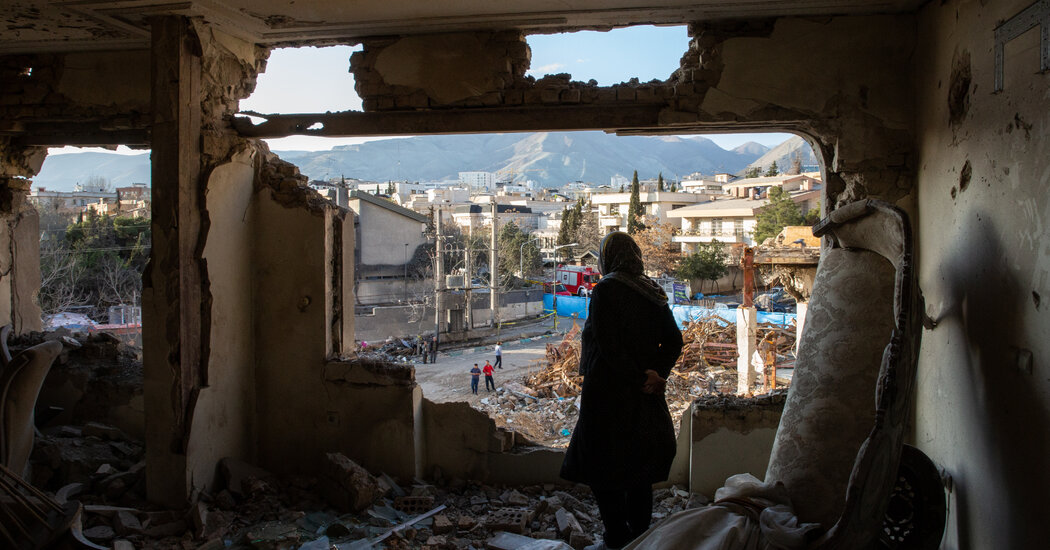
The policy shift comes amid heightened tensions following President Trump’s military actions in Venezuela, where he ordered forces to seize President Nicolás Maduro in January, and the subsequent joint U.S.-Israeli air campaign against Iran launched on February 28. Despite strikes that have severely damaged Iran’s political leadership and military capabilities, Tehran continues to wage an effective propaganda campaign exploiting domestic and international opposition to these military interventions.
“The State Department is now admitting it might be a problem if foreign adversaries lie about us,” said Nina Jankowicz, an expert on Russian disinformation who became a target of earlier administration campaigns against disinformation experts.
The current approach represents a stark reversal from the administration’s initial position. After taking office in January 2025, officials systematically dismantled government departments focused on countering foreign influence operations, responding to claims that the Biden administration had conspired with social media platforms to censor Americans. This purge affected disinformation experts at the FBI, the Office of the Director of National Intelligence, and the State Department’s Global Engagement Center, which had previously exposed numerous covert disinformation campaigns by Russia and China.
In its recent directive, the State Department encouraged diplomats to collaborate with Pentagon information operations and suggested utilizing X’s Community Notes feature as a tool to challenge anti-American propaganda. However, researchers have questioned this feature’s effectiveness on the platform formerly known as Twitter, which continues to host accounts amplifying Russian, Chinese, and Iranian propaganda.
When asked for comment, the State Department emphasized that current efforts do not represent a resurrection of the Global Engagement Center, which Secretary Rubio had previously accused of censoring American voices. The department stated that Rogers considers countering foreign anti-American propaganda a “top priority,” and that diplomats would address “specific threats” using “every tool in our diplomatic tool kit.”
In another sign of the administration’s shifting approach, steps have been taken to partially restore broadcasts of government-funded news organizations including Voice of America, Radio Free Asia, and Radio Free Europe/Radio Liberty. These operations had faced shutdown attempts last year but were partially preserved due to court challenges. The U.S. Agency for Global Media has resumed hiring contractors fluent in several broadcast languages, including Persian, though thousands of workers remain on leave as legal disputes continue.
Foreign policy experts view these measures with skepticism. “This feels very reactive in a space that certainly requires a real strategy,” said Orna Blum, a former State Department diplomat who served in Brazil and Jamaica and worked in the Global Engagement Center. She noted that many administration actions, including the revocation of visas for foreign disinformation researchers, have undermined America’s credibility in global communications.
“The U.S. government is not considered a reliable actor in the communication space now,” Blum concluded, highlighting the challenge facing an administration attempting to rebuild capabilities it previously dismantled while confronting increasingly sophisticated information warfare from multiple adversaries.
As geopolitical tensions escalate, the administration’s ability to effectively counter foreign disinformation campaigns may prove crucial to maintaining international support for its foreign policy objectives and protecting U.S. national security interests abroad.
Fact Checker
Verify the accuracy of this article using The Disinformation Commission analysis and real-time sources.

18 Comments
Glad to see the State Department is taking this issue seriously and directing resources to counter hostile foreign influence. Disinformation fuels division and undermines American interests at home and abroad.
Absolutely. The U.S. can’t afford to be complacent in the face of concerted disinformation efforts by adversaries like Russia and China.
It’s concerning to hear about the intensity of foreign disinformation campaigns targeting the U.S. and its allies. Glad to see the State Department taking concrete steps to counter these malign influence operations.
Absolutely. Combating foreign disinformation is essential for preserving democratic institutions and upholding American values on the global stage.
This policy reversal by the Trump administration is a positive development, though it’s concerning that foreign disinformation campaigns have been allowed to proliferate unchecked for so long. Proactive measures are needed to protect American interests.
Agreed. The U.S. government can’t afford to be complacent in the face of these concerted efforts by adversaries to sow division and undermine American influence.
Interesting to see the U.S. government taking a more proactive stance against foreign disinformation campaigns. With global tensions rising, it’s critical they address this growing threat to national security and public trust.
Agreed. Combating foreign influence operations should be a top priority for the State Department and intelligence agencies.
This policy reversal by the Trump administration is a welcome development. Downplaying the threat of foreign disinformation was a mistake that left the U.S. vulnerable. Proactive measures are needed to protect national security.
Agreed. The previous administration’s dismissive approach to this issue was misguided and shortsighted. Glad to see a more robust response taking shape.
Kudos to the State Department for taking a more assertive stance against foreign disinformation efforts. With global tensions escalating, it’s crucial the U.S. government aggressively counters these malign influence operations.
Absolutely. Safeguarding democratic institutions and public trust from foreign manipulation should be a top national security priority for the U.S.
Glad to see the State Department taking a more assertive stance against foreign disinformation. With heightened global tensions, it’s critical the U.S. government aggressively counters these malign influence operations.
Absolutely. Combating foreign disinformation should be a top priority for protecting democratic institutions and American interests at home and abroad.
This is an important shift in U.S. policy that recognizes the very real threat posed by foreign adversaries seeking to sow division and undermine American interests. Strengthening defenses against disinformation is critical.
Agreed. The Trump administration’s previous downplaying of this issue was a significant strategic error that left the U.S. vulnerable. Proactive measures are long overdue.
This policy shift by the Trump administration is a welcome development, though it’s concerning that foreign disinformation campaigns have been allowed to proliferate unchecked for so long. Proactive measures are needed to safeguard U.S. national security.
Agreed. The U.S. government can’t afford to be reactive in the face of these coordinated efforts by adversaries to undermine American influence and sow division.