


Listen to the article
Albania’s Education Minister Urges Clarity on Gender Equality Law Amid Public Debate
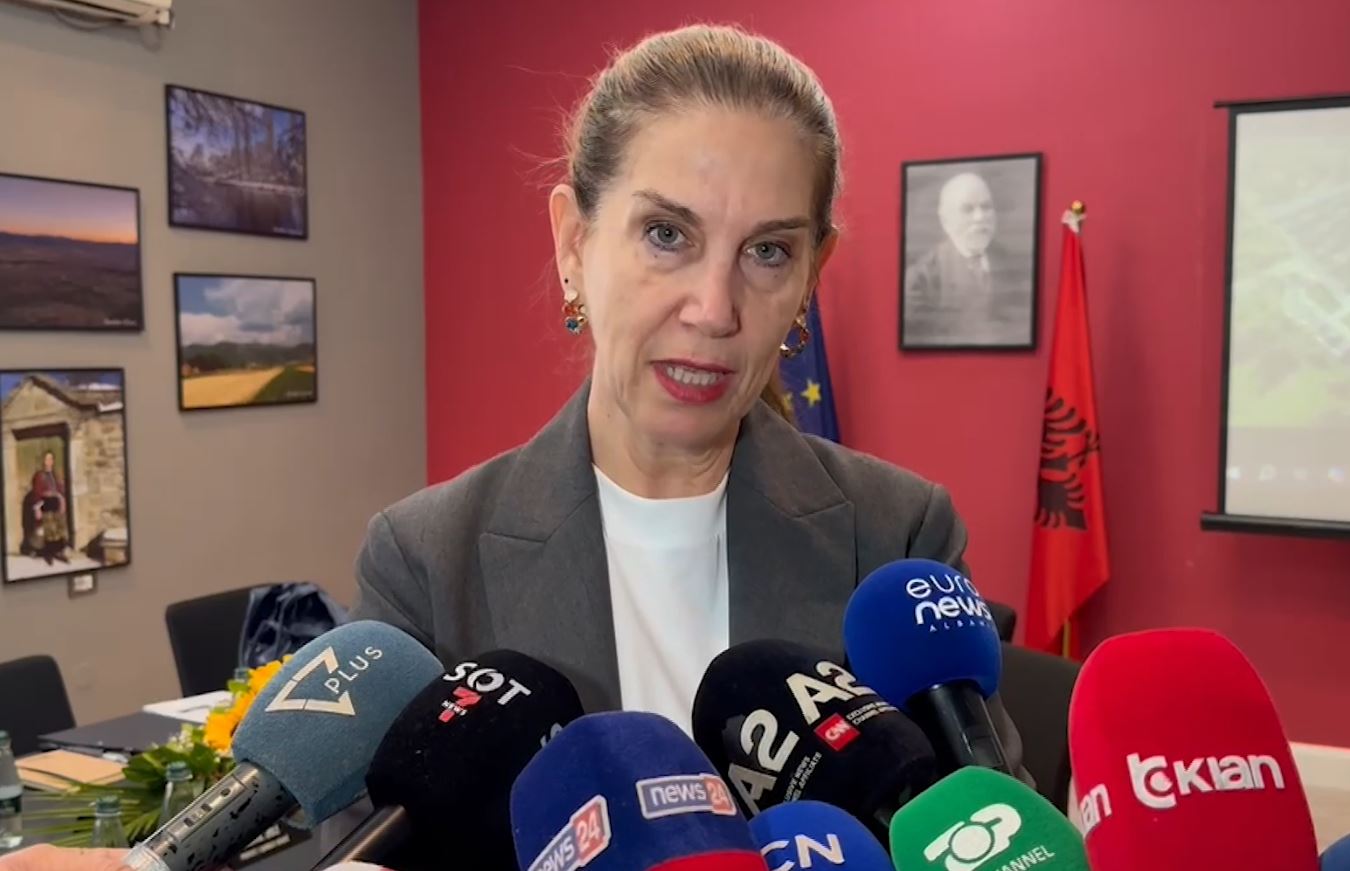
As Albania’s newly passed Gender Equality Law awaits presidential approval, Education Minister Mirela Kumbaro has called for greater public understanding of the legislation, emphasizing the need for accurate information amid growing debate across the country.
Speaking at a recent public forum, Kumbaro addressed concerns that have emerged since the law’s parliamentary passage, particularly regarding its potential implications for the education system and children’s literature.
“You should know that every legislative initiative carries a legal obligation — it is a political commitment we have — to align with European directives that regulate democratic life in our countries. The same applies to this law,” Kumbaro explained, highlighting Albania’s ongoing efforts to harmonize its legal framework with European Union standards.
The Gender Equality Law, which secured parliamentary approval with 77 votes in favor, represents a significant step in Albania’s legislative agenda to enhance equal treatment of citizens. The legislation comes as part of broader reforms the Balkan nation has undertaken in recent years to strengthen its candidacy for EU membership, a process that began in 2014 when Albania received official candidate status.
Responding to specific criticisms from religious groups, parent associations, and conservative organizations that have raised alarms about potential changes to school curricula, Kumbaro urged skeptics to examine the actual text of the legislation before drawing conclusions.
“Take the time to read the law. All our school curricula are publicly available; they go through a long process of discussion and teacher training,” she stated. “That’s why it’s important to communicate the right message to parents, classrooms, and teachers before throwing out distractions, as some actors have tried to do.”
The controversy surrounding the law reflects broader tensions in Albanian society between traditional values and progressive reforms. Similar debates have occurred across Eastern Europe as countries navigate the balance between cultural preservation and alignment with EU equality standards.
Education policy experts note that misunderstandings about gender equality legislation are common across the region. Dr. Elena Marku, a Tirana University specialist in educational policy, told reporters: “We often see initial resistance based on misinterpretations. The law primarily aims to ensure equal treatment and opportunities, not to fundamentally alter cultural or family structures as some fear.”
The legislation awaits final approval from President Bajram Begaj before it can be implemented. While the president’s signature is typically a formality in Albania’s legislative process, the heightened public attention on this particular law has created speculation about potential delays.
If enacted, the law would establish new mechanisms to prevent gender-based discrimination across various sectors, including education, employment, and public services. It would also strengthen existing protections and create more robust monitoring systems.
Albania’s Ministry of Education has announced plans for a comprehensive information campaign to clarify the law’s implications for the education sector, including workshops for teachers, information sessions for parents, and updated guidance for school administrators.
International organizations, including the EU delegation in Tirana and various United Nations agencies, have expressed support for the legislation, viewing it as an important step toward fulfilling Albania’s international commitments to gender equality.
As debate continues, Minister Kumbaro’s call for a fact-based discussion highlights the challenges facing Albanian institutions as they navigate the complex intersection of legal reform, international obligations, and domestic cultural concerns in a rapidly evolving society.
Fact Checker
Verify the accuracy of this article using The Disinformation Commission analysis and real-time sources.

14 Comments
This gender equality law seems like an important milestone for Albania. Ensuring the public understands its intent and impact is vital to building support and avoiding unintended consequences.
Absolutely. Clear communication and inclusive policymaking are key to navigating these types of complex social and legal reforms.
Disinformation around new legislation is a common challenge. The minister’s proactive approach to addressing concerns and promoting understanding is commendable.
It’s encouraging to see the minister actively engaging the public on this issue. Addressing misinformation and promoting understanding of new legislation is an important part of the democratic process.
Balancing progressive reforms with public concerns is a delicate challenge. The minister’s call for clarity and transparency is a good start, but the implementation will be crucial.
This is an important issue that deserves public scrutiny. It’s good to see the minister calling for transparency and accurate information, as misinformation can undermine progress on gender equality.
Agreed. Ensuring the public understands the details and intent of this legislation is crucial. Constructive debate is healthy, but it needs to be based on facts.
Aligning legislation with European norms is a positive step, but the details matter. I hope the public has ample opportunity to provide input and understand the full implications of this law.
Agreed. Meaningful public consultation is key, especially on sensitive social issues like gender equality.
This gender equality law seems like a positive step, but the details matter. I hope the public has ample opportunity to understand the implications, especially for education and children’s literature.
Harmonizing laws with EU standards is a sensible approach as Albania continues its democratic development. However, the implications for education and children’s literature warrant careful consideration.
Absolutely. The impact on schools and reading materials is a legitimate concern that should be addressed transparently.
As Albania aligns its legal framework with EU standards, managing public perceptions and expectations will be critical. Transparency and inclusive dialogue are essential for success.
Well said. Balancing progress and public acceptance requires skillful leadership and a genuine commitment to open communication.