


Listen to the article
In a significant move to combat the rising tide of foreign-sponsored disinformation in Northern Nigeria, the Centre for Journalism Innovation and Development (CJID) has unveiled a comprehensive media literacy initiative aimed at strengthening community peace and resilience.
The program, officially titled “Strengthening digital resilience and community peace through media literacy, local radio empowerment, and counter-disinformation campaigns,” represents a coordinated effort between CJID’s information verification program DUBAWA and its Digital Tech, AI, & Disinformation Analysis Centre (DAIDAC).
With financial backing from the Canadian government through the Canada Fund for Local Initiatives (CFLI), the initiative specifically targets Kano and Plateau States, focusing on promoting inclusive governance and security in regions particularly vulnerable to disinformation campaigns.
Northern Nigeria presents unique challenges that make it susceptible to sophisticated disinformation efforts. The region struggles with widespread poverty, high youth unemployment rates, significant illiteracy, and religious tensions—creating conditions that external actors have exploited through digital platforms like TikTok and Telegram to sow discord and undermine democratic institutions.
“We can’t win the fight against disinformation from newsrooms alone,” said Akintunde Babatunde, executive director of CJID. “Communities are the first responders to truth. They are where false narratives take root, but also where trust can be rebuilt.”
Babatunde emphasized the importance of engaging at the community level: “By engaging faith leaders, youth groups, and local influencers, we are moving the conversation from abstract policy debates to everyday realities, helping people see that information integrity isn’t exclusively a media issue, but rather, a community survival issue.”
The initiative’s approach acknowledges that disinformation has evolved beyond being merely a media problem to become a fundamental threat to community cohesion and national stability. Recent years have seen increasing evidence of coordinated foreign efforts to exploit social and religious divisions in Nigeria, particularly in regions already dealing with security challenges and intercommunal tensions.
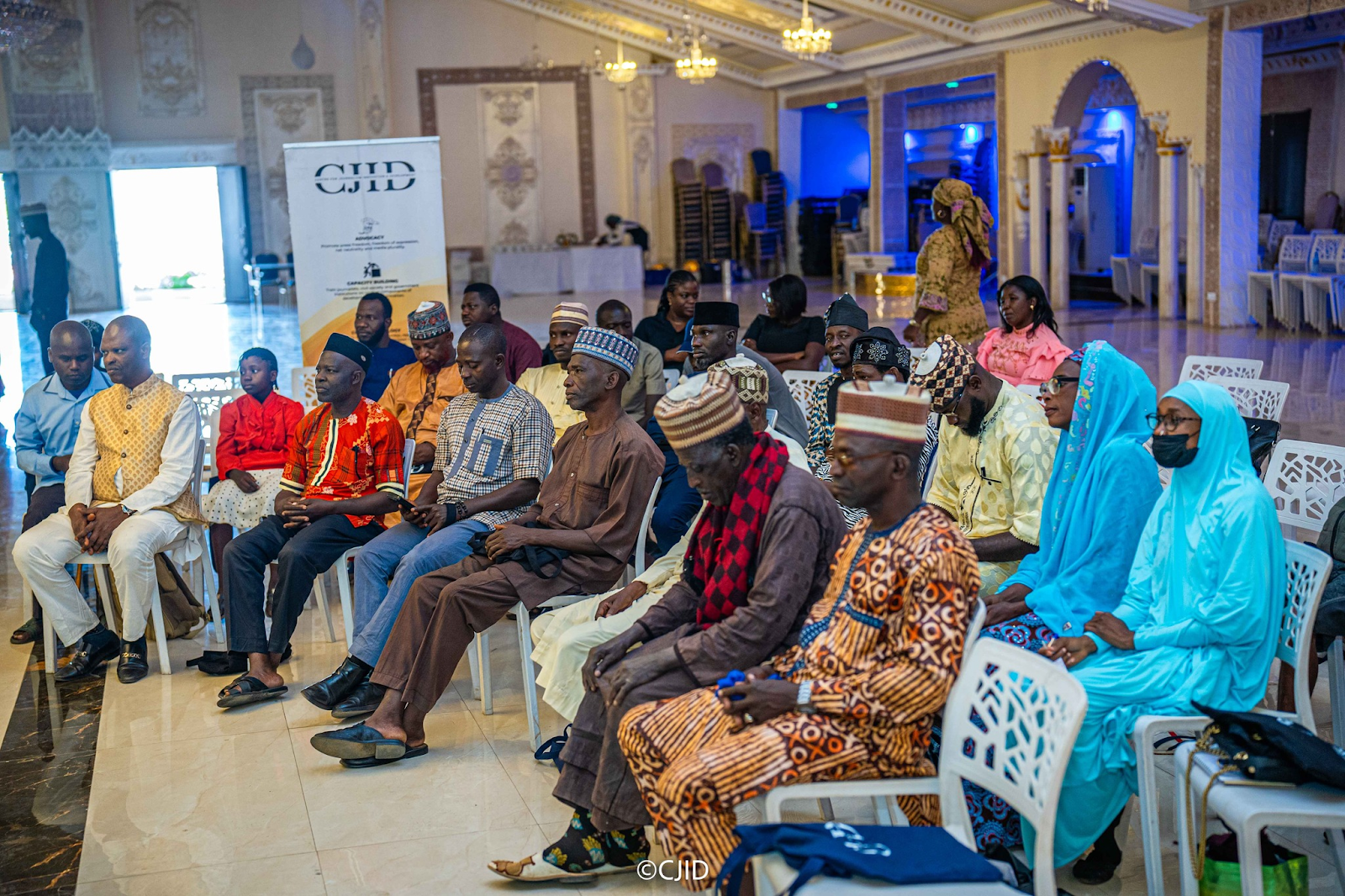
Scheduled to begin in November 2025, the project will implement a multi-faceted strategy centered on building resilience from the grassroots level. Key activities include community-based media and digital literacy workshops tailored for diverse stakeholders including youth groups, women leaders, community and faith leaders, and local officials.
The initiative will develop and distribute culturally relevant educational materials in both Hausa and English, ensuring accessibility across different demographic groups. This multilingual approach recognizes the linguistic diversity of Northern Nigeria and the importance of reaching communities in their preferred languages.
Through town hall engagements and capacity-building sessions, CJID plans to train a wide range of community stakeholders on identifying misinformation, understanding its effects on social cohesion, and developing practical strategies for building community resilience.
Media analysts note that this initiative comes at a critical time for Nigeria, as the country faces increasing challenges from both domestic and foreign actors using digital platforms to spread false narratives designed to inflame tensions. The targeting of Kano and Plateau States is strategic, given their history of communal conflicts and their importance in the geopolitical landscape of Northern Nigeria.
The CJID’s approach aligns with growing recognition among international democracy and governance experts that countering disinformation requires more than fact-checking—it demands building fundamental media literacy and critical thinking skills within communities.
By empowering local leaders and citizens to recognize and resist manipulation attempts, the initiative aims to create what Babatunde describes as “societies that are less reactive to falsehood and more resilient in the face of manipulation,” potentially establishing a model that could be replicated in other vulnerable regions across Nigeria and West Africa.
Fact Checker
Verify the accuracy of this article using The Disinformation Commission analysis and real-time sources.
