


Listen to the article
Nations Unite Against Climate Misinformation in Historic COP30 Declaration
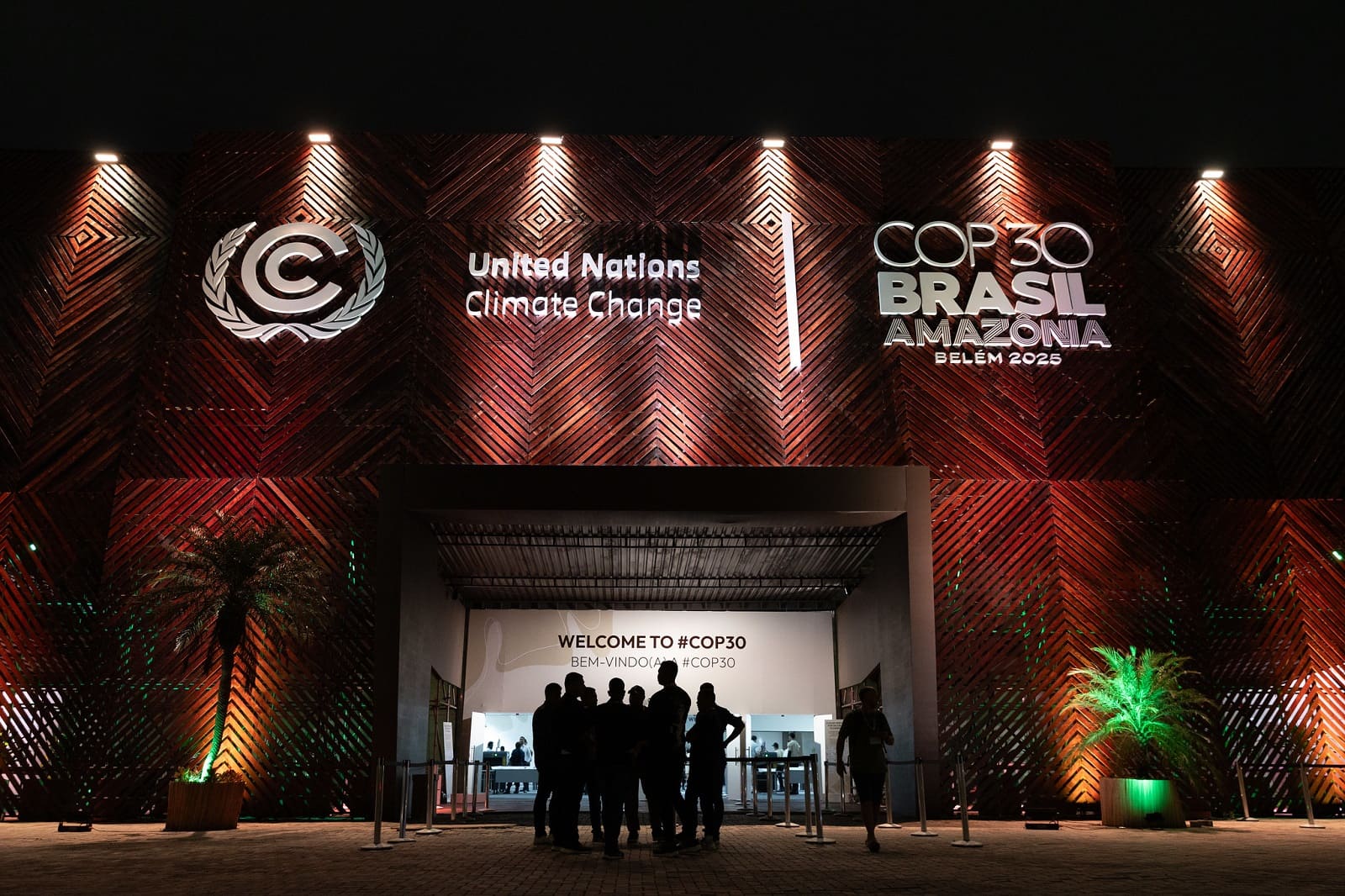
Twelve countries signed a groundbreaking agreement to combat climate misinformation during the COP30 climate summit in Belem, Brazil. The Declaration on Information Integrity on Climate Change marks the first time that issues of disinformation and “climate truth” have been formally included on the agenda of a major international climate conference.
The initiative, launched on November 12, 2025, represents a coordinated response to the growing wave of climate science distortions that threaten global climate action. This comes at a critical moment when denialist discourse appears to be gaining new momentum, particularly with the return of Donald Trump to political prominence.
“We live in an era when obscurantists reject scientific evidence and attack institutions. It is time to deliver another defeat to denialism,” stated Brazilian President Luiz Inacio Lula da Silva during the summit hosted in the Amazonian city of Belem.
The twelve signatory nations – Brazil, Canada, Chile, Denmark, Finland, France, Germany, Spain, Sweden, Uruguay, Belgium, and the Netherlands – committed to promoting “consistent, reliable, accurate, and evidence-based information” on climate change. They also pledged to protect journalists, scientists, and researchers who increasingly face hostility for their climate work.
Notably absent from the list of signatories is Colombia, despite the country’s vulnerability to climate change impacts and President Gustavo Petro’s critical stance toward climate denialism. Sources close to Colombia’s Ministry of Environment suggest the country may join the initiative later.
The location of this year’s climate summit is deeply symbolic. The Amazon region represents both the urgency of the global climate emergency and the vulnerability of ecosystems and communities on the frontlines of environmental change.
Frederico Assis, COP30’s special envoy for information integrity, highlighted the strategic nature of climate disinformation. “There is broad recognition that disinformation can affect and compromise every part of the COP process – whether diplomatic negotiations, the action agenda, or mobilization and summits. All our efforts will be at risk if we do not adequately address the disinformation stemming from denialism.”
Assis expressed particular concern about algorithmic amplification of “conspiratorial and manipulative content” using “sophisticated tactics to spread false messages.”
The resurgence of climate denialism comes at a particularly dangerous time. As extreme weather events intensify globally, from devastating storms to unprecedented heat waves, the scientific consensus on climate change has never been clearer. Yet social media platforms, recommendation algorithms, and certain political movements have created fertile ground for questioning established climate science.
This phenomenon undermines the foundation of scientific consensus and hampers the development of robust public policies. A recent UN-cited report summarizes the problem: “The lack of trust in information is a deeply concerning trend… Climate change has become a weapon that polarizes entire societies.”
The declaration goes beyond simply acknowledging the problem. Signatories committed to fostering resilient media ecosystems, supporting international cooperation to counter “greenwashing,” and ensuring that the right to information and freedom of expression remain unobstructed in climate discussions.
This agreement represents a significant evolution in international climate governance. While previous climate accords focused primarily on emission targets, financing mechanisms, and adaptation strategies, the COP30 declaration explicitly recognizes information integrity as fundamental to climate progress.
As the UN Secretary-General noted: “Without access to reliable information about climate disruption, we can never hope to overcome it.”
The real challenge begins now: translating commitments into action. This will require implementing verification systems, strengthening independent media, confronting misleading environmental claims, and building stronger connections between scientists, journalists, and the public.
The declaration ultimately redefines climate adaptation to include protecting the digital public sphere from manipulation – recognizing that the battle for climate action is now being fought not only in policy chambers but also in the information landscape.
Fact Checker
Verify the accuracy of this article using The Disinformation Commission analysis and real-time sources.

22 Comments
I’m glad to see the issue of climate misinformation being taken seriously at COP30. Delivering a ‘defeat to denialism’ is a worthy and necessary goal.
Absolutely. Promoting ‘climate truth’ and reliable information is critical for building the public support needed for effective climate action.
This is an encouraging sign that the international community is taking the threat of climate misinformation seriously. Strengthening information integrity will be key.
Absolutely. Ensuring the public has access to accurate, science-based information is critical for building the political will for climate action.
It’s concerning to see the return of climate denialism, especially from political figures like Trump. This declaration is a necessary response to counter those harmful narratives.
Agreed. Misinformation can’t be allowed to undermine the urgent need for climate action. This initiative is an important step in the right direction.
Combating climate misinformation is crucial for effective climate action. I’m glad to see countries coming together to address this challenge at COP30.
Agreed. Promoting reliable, science-based information is key to countering the rise of climate denialism.
The Declaration on Information Integrity is a significant development. Combating the spread of climate misinformation is crucial for driving meaningful progress on this issue.
I agree. Misinformation can seriously undermine efforts to address the climate crisis. This initiative is an important step in the right direction.
The inclusion of disinformation and ‘climate truth’ on the COP30 agenda is a significant development. It signals a growing awareness of the threat posed by climate misinformation.
Absolutely. Tackling the spread of climate denialism has to be part of the broader climate action agenda.
It’s concerning to see denialist rhetoric gaining momentum, especially with political figures like Trump. Kudos to the nations taking a stand against misinformation.
Agreed, we can’t let misinformation undermine the urgent need for climate action. This initiative is a positive step in the right direction.
The inclusion of ‘climate truth’ on the COP30 agenda is a welcome development. Promoting reliable, evidence-based information is crucial for driving meaningful progress on climate change.
Absolutely. Combating the spread of misinformation and strengthening information integrity has to be a core part of the global climate agenda.
The Declaration on Information Integrity is an important milestone. Strengthening information integrity will be critical to driving meaningful progress on climate change.
Absolutely. We need to ensure the public has access to factual, well-evidenced information to make informed decisions.
Kudos to the 12 signatory nations for taking a stand against climate misinformation. This type of coordinated international effort is needed to counter the problem.
Agreed. Misinformation can undermine the public’s understanding of climate science and derail progress. This declaration is an important step.
Promoting consistent, reliable information on climate change is essential. I’m hopeful this declaration will help turn the tide against climate denialism.
Me too. Strengthening the integrity of climate science and discourse is crucial for driving the necessary changes.