


Listen to the article
Farewell to the Penny: U.S. Mint Produces Final One-Cent Coin in Philadelphia
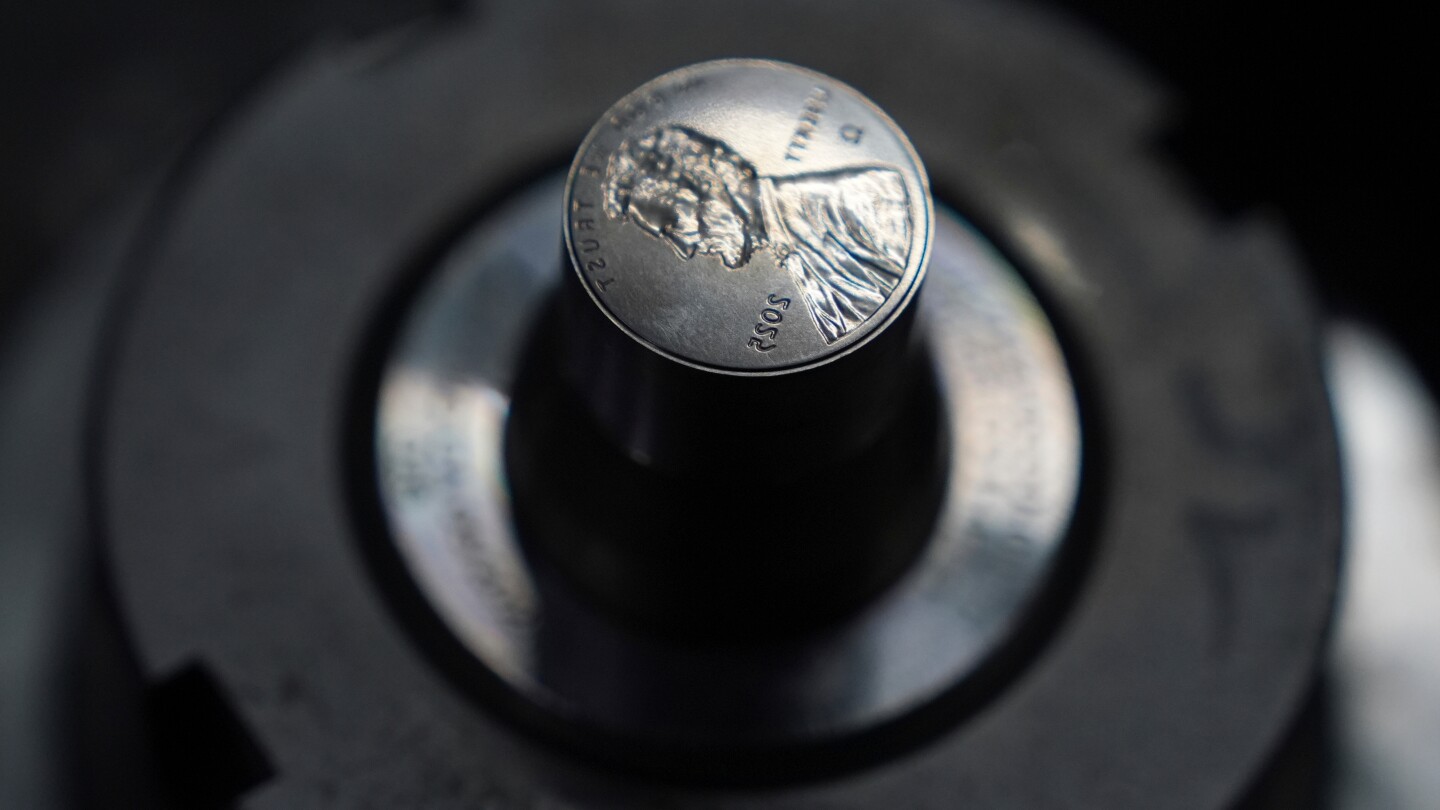
The U.S. Mint in Philadelphia pressed its last penny on Wednesday, marking a significant milestone in American currency history and ending a production run that began with the nation’s founding.
President Donald Trump ordered the cancelation of the penny earlier this year, citing production costs that had exceeded the coin’s face value. The decision closes a chapter on one of America’s most recognizable but increasingly impractical pieces of currency.
The penny has been a staple of American commerce since 1792, when it became one of the first coins produced by the newly established U.S. Mint. It outlasted its half-cent counterpart, which Congress discontinued in 1857. At that time, lawmakers opted to make the penny smaller to reduce copper costs rather than eliminate it entirely.
Today’s penny bears little resemblance to its ancestors, now composed of 97.5% zinc with merely a copper plating—a cost-cutting measure that still failed to make the coin economically viable.
“The final pennies won’t simply disappear,” U.S. Treasurer Brandon Beach told reporters on Wednesday. Instead, the government plans to auction off the last pennies minted in Philadelphia, likely turning them into collectors’ items worth far more than their face value.
According to the American Bankers Association, approximately 250 billion pennies remain in circulation throughout the United States. While the Treasury Department puts that figure closer to 114 billion, both estimates highlight the vast number of one-cent coins that will continue to be used in daily transactions. All existing pennies will remain legal tender.
The financial rationale for discontinuing the penny is compelling. The U.S. Mint reports that each penny costs nearly 4 cents to produce—a figure that made the coin increasingly difficult to justify in budget discussions. The Treasury Department estimates it will save approximately $56 million annually on materials alone by ceasing production.
Defenders of the humble coin point out that other denominations are similarly costly to produce. The nickel, for instance, costs almost 14 cents to mint, while each dime costs nearly 6 cents and a quarter approximately 15 cents to make and distribute.
The penny’s demise creates practical challenges for American retailers, who have long relied on prices ending in $.99 to create the psychological impression of a better deal. The American Bankers Association suggests that some banks and retailers may adopt rounding practices for cash transactions to the nearest five cents, following models implemented in countries like Canada and Australia after they phased out their smallest-denomination coins.
Beyond its practical use, the penny holds significant cultural value for many Americans. The coin has inspired traditions and superstitions, including the familiar rhyme: “See a penny, pick it up. All the day you’ll have good luck.” Pennies have been fixtures in charity drives and remain important for consumers who primarily use physical currency for purchases.
For collectors, the end of penny production may increase interest in existing coins, particularly those with minting errors or from significant years. While most circulating pennies will maintain only their face value, certain specimens could appreciate considerably over time.
The penny’s retirement marks the end of an era in American currency but reflects the changing economics of coin production and evolving payment habits in an increasingly digital economy.
Fact Checker
Verify the accuracy of this article using The Disinformation Commission analysis and real-time sources.

8 Comments
The cancelation of the penny production is a testament to the evolving nature of currency and commerce. While it may be nostalgic to see the penny go, this move aligns with the growing preference for digital and more efficient payment methods.
While sentimental about the penny’s history, I think this is ultimately a pragmatic decision. The costs of producing and maintaining the coin have become unjustifiable, especially as digital payments become more prevalent.
The end of the penny is a symbolic moment in US currency history. While the coin has been a fixture for over 200 years, its production costs have long exceeded its face value, making it an increasingly impractical piece of currency.
I’m curious to see how the absence of the penny will impact daily transactions and pricing. Will businesses round up or down?
It’s the end of an era for the humble penny. As the US Mint ceases production, I’m curious to see how this will impact the numismatic community and collector’s markets.
Good point. Final-year pennies from the Philadelphia Mint could become valuable collector’s items in the future.
The penny’s demise reflects the changing nature of commerce and the declining value of small-denomination coins. It will be interesting to see if this sparks broader discussions about the future of physical currency in the digital age.
Agreed. The penny has become more of a nuisance than a useful tool. I wonder if this move will pave the way for the elimination of other low-value coins as well.