


Listen to the article
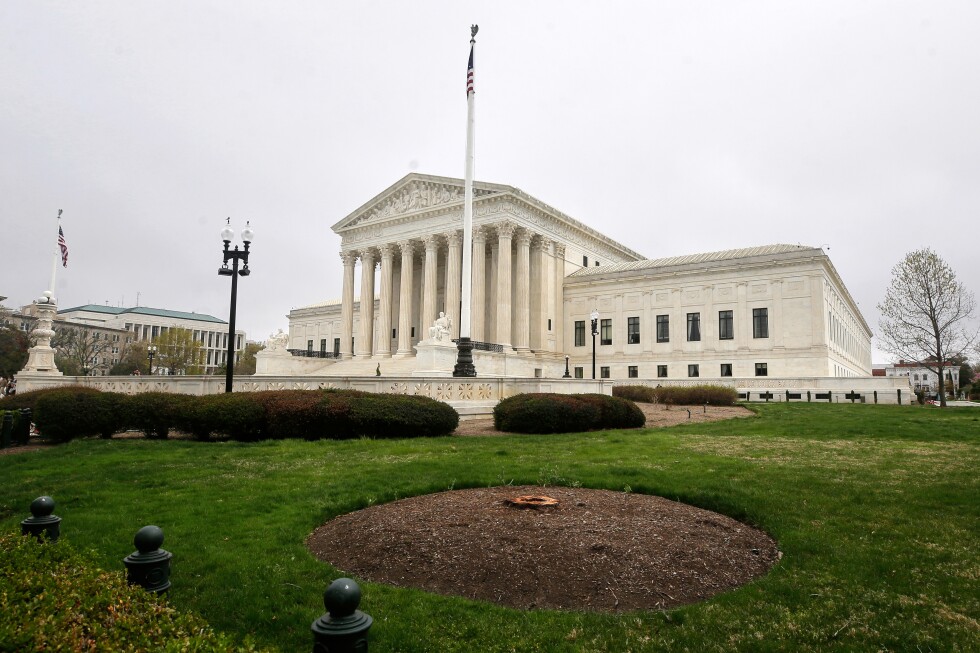
The Supreme Court expressed skepticism on Tuesday about restricting federal regulatory authority in a high-profile case involving substantial penalties imposed on telecommunications giants Verizon and AT&T.
The companies appeared before the nation’s highest court to challenge the Federal Communications Commission’s decision to levy penalties exceeding $100 million after finding the telecoms had sold customers’ location data without implementing proper safeguards. At the heart of their appeal is the claim that the FCC’s enforcement process violates constitutional principles by limiting their ability to present their case in court.
During oral arguments, Chief Justice John Roberts appeared unconvinced by the telecom companies’ position, suggesting their grievance might be more about public relations than substantive legal issues. “I wonder if, at the end of the day, you’re really just talking about a PR problem,” Roberts remarked.
Representatives of the Trump administration defended the FCC’s enforcement mechanisms as vital regulatory tools that do provide pathways for judicial review. However, in a notable concession, government attorneys acknowledged that companies aren’t required to pay penalties immediately—a point Justice Brett Kavanaugh interpreted as a significant victory for the telecoms.
“It seems like you’ve won on the law going forward one way or the other,” Kavanaugh told the attorney representing AT&T and Verizon.
The case takes on broader significance against the backdrop of the court’s conservative majority, which has previously curtailed federal agency authority. In recent years, the justices have overturned longstanding precedents that had given regulatory bodies considerable deference in legal proceedings and limited agencies’ enforcement capabilities in areas like securities fraud.
Legal experts warn that a ruling favoring the telecommunications companies could have far-reaching implications across the regulatory landscape. Multiple federal agencies employ similar enforcement mechanisms, and any Supreme Court decision restricting these powers could significantly alter how these agencies operate.
The current regulatory framework presents companies with limited options when facing FCC penalties. They can either pay the fine and subsequently contest it before an appeals court, or refuse payment and await a federal lawsuit that might eventually be heard by a jury. According to Doug Orvis, an attorney with extensive telecommunications regulatory experience, neither option provides companies with a satisfactory path forward, which effectively forces most to simply pay the penalties.
This case represents another chapter in the ongoing tension between corporate interests and regulatory oversight in the telecommunications sector. The penalties at issue stem from the companies’ data privacy practices—an increasingly important consumer protection concern as mobile technology becomes more integrated into daily life and personal data more valuable in the marketplace.
For AT&T and Verizon, the stakes extend beyond the immediate financial penalties. The outcome could influence how they and other telecommunications providers address privacy concerns moving forward, particularly as consumer awareness and regulatory scrutiny of data practices continue to intensify.
The telecommunications industry has faced growing criticism over data handling practices in recent years. Privacy advocates argue that location data is particularly sensitive, as it can reveal detailed patterns about an individual’s movements, relationships, and activities. The FCC’s penalties in this case reflect the agency’s determination to enforce standards protecting such information.
The Supreme Court is expected to issue its ruling by late June, adding this case to a term already heavy with significant decisions affecting regulatory authority and corporate liability. Whatever the outcome, it will likely shape the relationship between federal agencies and the industries they oversee for years to come.
Fact Checker
Verify the accuracy of this article using The Disinformation Commission analysis and real-time sources.

11 Comments
It’s good the FCC is cracking down on telecom data privacy violations, but the companies raise valid points about their ability to defend themselves. Curious to see if the Court finds a way to uphold FCC authority while ensuring fair enforcement procedures.
The sale of customer location data without proper safeguards is concerning. Glad to see the FCC taking enforcement action, though the telecoms’ legal arguments merit consideration too. Will be interesting to see the Court’s final ruling on this.
Interesting case on the balance of regulatory power and telecoms’ rights. Seems the Court is skeptical of overly limiting FCC’s enforcement tools, which are meant to protect consumers. Wonder if the telecoms are more concerned about public perception than the legal merits.
The Chief Justice’s comment about PR issues is a fair point. Telecoms may be trying to avoid hefty fines more than asserting core legal rights.
The sale of customer location data without proper safeguards is a serious concern that warrants regulatory action. However, the telecoms’ claims about the FCC’s enforcement process also merit a fair hearing. Looking forward to seeing how the Supreme Court resolves this tricky balance.
Curious to understand more about the telecoms’ specific legal claims around the FCC’s enforcement process. While consumer protection is crucial, companies should have avenues to challenge penalties in court. Hopefully the Court can provide clarity on the right balance.
This looks like a complex case with valid arguments on both sides. The FCC needs to be able to effectively regulate, but telecoms also deserve due process. Curious to see how the Court balances these competing interests.
You’re right, it’s a tricky balance. Hopefully the Court can provide some useful guidance on the boundaries of FCC authority without unduly hamstringing regulators.
This case seems to highlight the ongoing tension between consumer protection and corporate rights. While the FCC needs tools to regulate, telecoms also deserve pathways to challenge penalties in court. Hoping the Supreme Court can offer a balanced solution.
An interesting case with significant implications. The FCC’s enforcement mechanisms are crucial, but the telecoms’ legal arguments around due process shouldn’t be ignored either. Curious to see how the Court navigates this complex issue.
This case touches on a longstanding debate over the boundaries of federal regulatory power. The Court seems skeptical of overly limiting the FCC, but the telecoms’ concerns about due process shouldn’t be dismissed either. An important decision that could impact many industries.