


Listen to the article
UK Prime Minister Evades Parliamentary Inquiry Over Controversial Diplomatic Appointment
UK Prime Minister Keir Starmer narrowly avoided a parliamentary inquiry on Tuesday regarding his controversial appointment of Peter Mandelson as British ambassador to Washington, though questions persist about whether proper protocols were followed in the selection process.
The House of Commons rejected a motion from opposition politicians that would have triggered a parliamentary standards investigation into Starmer’s actions. However, Philip Barton, the former top civil servant in the Foreign Office when Mandelson’s appointment was announced in December 2024, could not confirm that “due process” was properly followed when Mandelson was given the key diplomatic post despite failing security checks.
This diplomatic debacle has created significant tension between Starmer and the civil service. The prime minister has expressed anger over not being informed about Mandelson’s failed security vetting, while senior officials claim they felt pressured by the prime minister’s office to expedite the appointment at the beginning of President Donald Trump’s second term.
“I was presented with a decision and told to get on with it,” Barton told lawmakers. “The prime minister had been made aware of the risks and had accepted the risks.”
Morgan McSweeney, Starmer’s former chief of staff who resigned in February over the scandal, acknowledged making a “serious mistake” in recommending Mandelson but denied pressuring officials to ignore security concerns. Appearing before the House of Commons Foreign Affairs Committee, McSweeney said, “The prime minister relied on my advice, and I got it wrong.”
McSweeney also apologized to the victims of Jeffrey Epstein, saying, “I am sorry for any part this controversy has played in causing further hurt or distress.” Mandelson’s friendship with Epstein, a convicted sex offender who died in prison in 2019, has been central to the controversy.
Starmer fired Mandelson in September after new details emerged about the ambassador’s relationship with Epstein. Further complicating matters, police opened an investigation into Mandelson in February over allegations that he passed sensitive government information to Epstein when he was a member of the UK government in 2009. Mandelson has denied any wrongdoing and has not been charged.
McSweeney defended the initial appointment, explaining that Mandelson’s experience as a former European Union trade commissioner would have been valuable for negotiating trade deals with the Trump administration. “I don’t think the prime minister would have chosen Mandelson if Kamala Harris had been elected president,” he added.
The fallout has already claimed several political casualties. In addition to McSweeney’s resignation, Starmer fired top Foreign Office official Olly Robbins earlier this month after learning that Mandelson was approved despite recommendations against him from the government’s security vetting agency. Robbins has maintained that he was bound by confidentiality rules and could not disclose the security concerns to Starmer, though he has stated they were not related to Epstein.
Barton, who preceded Robbins at the Foreign Office until January 2025, told the committee he was concerned that Mandelson’s known links to the “toxic, hot potato” Epstein “could become a problem.” He acknowledged there was “pressure to get everything done as quickly as possible,” though he denied there was pressure for a specific outcome.
Critics view the Mandelson appointment as evidence of poor judgment by Starmer, who has faced criticism for various missteps since leading the Labour Party to a landslide election victory in July 2024. The prime minister already weathered one potential crisis in February when some Labour lawmakers called for his resignation over the appointment.
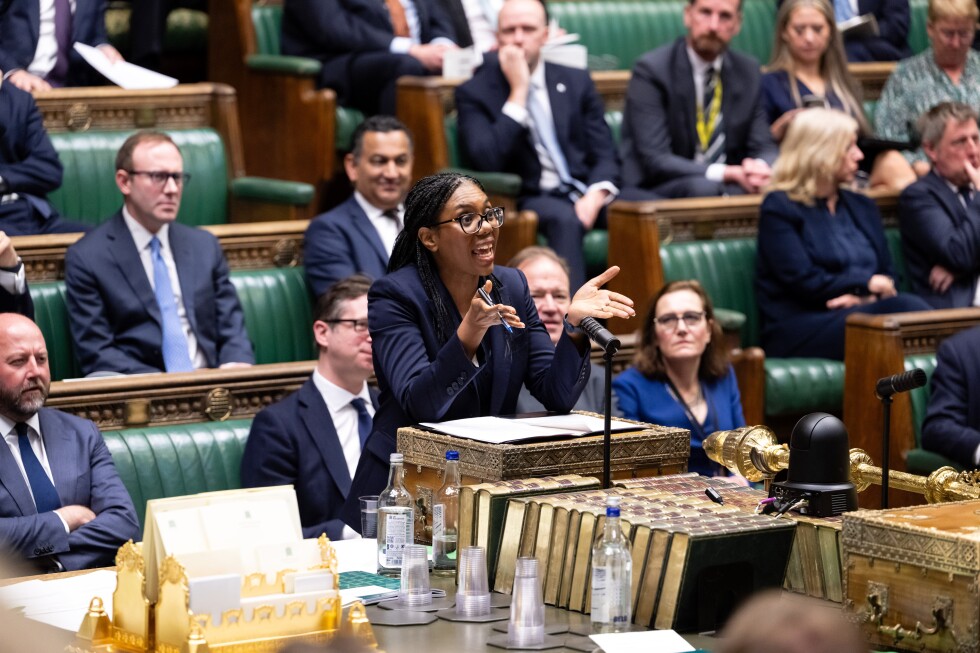
During Tuesday’s parliamentary debate, Conservative Party leader Kemi Badenoch asserted that “full due process was not followed” and that “appointing a known national security risk to be ambassador to the United States is a profound failure of government.” She urged Labour lawmakers not to be complicit in what she termed a “cover-up.”
Starmer countered by calling the motion a political “stunt” intended to damage Labour before the May 7 local and regional elections. While many Labour MPs supported their leader in the vote, several criticized him during the debate. Labour lawmaker Emma Lewell voiced the sentiment of many when she said, “Like the public, I feel let down, disappointed and I am angry. Peter Mandelson should never have been appointed. This was a fundamental failure of judgment.”
The upcoming May elections may prove critical for Starmer’s leadership, as they will give voters their first opportunity to deliver a midterm verdict on his government since the July 2024 general election.
Fact Checker
Verify the accuracy of this article using The Disinformation Commission analysis and real-time sources.

18 Comments
The prime minister’s anger over not being informed about the failed security vetting is understandable, but it doesn’t excuse any potential shortcuts in the appointment process. Upholding high standards should be the top priority.
Agreed. Maintaining proper procedures and protocols is essential, even in the face of political pressure or frustrations. Transparency and accountability must come first.
This saga highlights the tension between political expediency and good governance. While I appreciate the desire for experienced, well-connected diplomats, the security checks should not be overlooked.
Absolutely. The public deserves confidence that appointments, especially to high-profile positions, are made in a fair and accountable manner.
The potential for undue influence or even corruption in high-level appointments is concerning. It’s crucial that we have robust systems in place to ensure the integrity of the civil service and diplomatic corps.
Well said. Maintaining the independence and professionalism of the civil service is essential for good governance and public confidence in the political process.
This situation seems to underscore the ongoing challenges in balancing political priorities and the need for impartial, merit-based decision-making. Navigating these tensions will require strong leadership and a commitment to transparency.
Absolutely. Upholding the rule of law and the highest ethical standards should be the guiding principles, regardless of political affiliations or expediency.
The apparent pressure from the prime minister’s office to expedite this appointment is concerning. Proper vetting and due diligence should be the priority, not political considerations.
I agree. Diplomatic roles require the utmost integrity, and any appearance of undue influence or circumvention of processes erodes public trust.
The lack of clarity around the appointment process is concerning. Proper vetting and due diligence are crucial, especially for sensitive diplomatic roles. I hope this situation leads to a thorough review and strengthening of the appointment protocols.
I agree. Ensuring the integrity and independence of the civil service is vital for maintaining public trust in government institutions. This case highlights the need for robust, nonpartisan oversight mechanisms.
This situation raises important questions about the balance of power between the civil service and the political leadership. Transparency and accountability should be paramount, regardless of political affiliations.
Well said. An independent, nonpartisan civil service is crucial for maintaining the integrity of government processes and decision-making.
Interesting political drama unfolding here. It seems there are questions about the transparency and integrity of the appointment process. I’m curious to learn more about the specifics and whether proper protocols were followed.
Yes, the lack of clarity around due process is concerning. Proper vetting and adherence to protocols are essential for sensitive diplomatic roles.
This case highlights the delicate balance between political priorities and the need for rigorous, impartial decision-making in the civil service. It will be interesting to see how this situation unfolds and whether any reforms or changes emerge from it.
Absolutely. Navigating these tensions is critical for maintaining public trust in government institutions. I hope this leads to constructive dialogue and improvements in the appointment process.