


Listen to the article
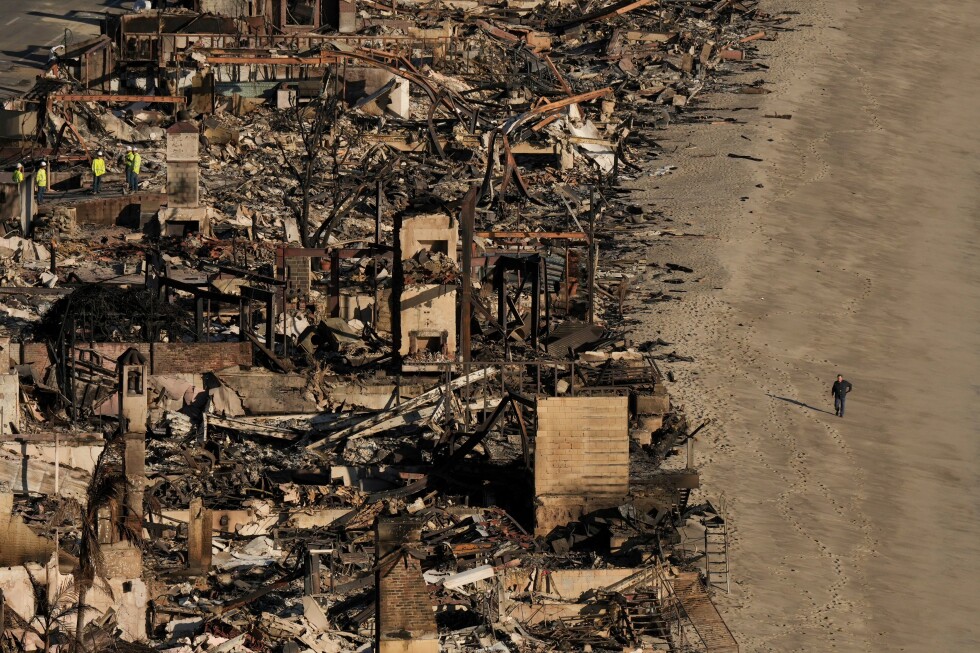
The devastating Los Angeles County wildfires that swept through California last year did more than scorch landscapes—they ignited a wave of insurance rate increases affecting thousands of homeowners. Now, a proposed settlement between State Farm, California’s insurance regulator, and consumer advocates promises relief for many policyholders facing steep premium hikes.
State Farm, which commands roughly 20% of California’s insurance market, had previously secured approval for emergency rate increases last May after claiming that billions in anticipated wildfire claims had placed the company in financial jeopardy. These increases came amid California’s ongoing insurance crisis, where many homeowners struggle to find affordable coverage in fire-prone areas.
The newly announced agreement, revealed late last week, follows extensive public hearings and negotiations between the California Department of Insurance, the consumer advocacy organization Consumer Watchdog, and State Farm. According to Consumer Watchdog, the settlement will save State Farm’s California customers approximately $530 million collectively.
Under the proposed agreement, homeowners insured by State Farm will see their rate increases capped at 17%, significantly lower than the 30% hike the company originally sought. Condominium owners, who had been hit with interim rate increases of 15%, will now face just a 5.8% increase and will receive refunds with interest dating back to June 2025.
Rental property owners will also benefit, with their interim rate increases of 38% dropping to 32.8%, accompanied by refunds plus interest. Renters insurance policyholders will see a slight adjustment from the interim rate hike of 15% to a final increase of 15.65%.
“When consumer advocates are able to challenge the data and present their own analysis, excessive requests are reduced and consumers are protected,” said Harvey Rosenfield, founder of Consumer Watchdog and author of Proposition 103, the voter-approved law that governs insurance in California.
Perhaps equally significant for California’s unstable insurance market are provisions preventing State Farm from canceling new policies throughout 2024. The company has also agreed to maintain coverage for certain policies in wildfire-affected areas that were previously slated for non-renewal. These measures provide a measure of stability in a market that has been plagued by both availability and affordability challenges.
The settlement comes as State Farm has already paid more than $5 billion in claims related to the Los Angeles-area wildfires, according to company spokesperson Tom Hartmann. However, the insurer remains under scrutiny, with the state’s insurance department currently investigating complaints about the company’s handling of wildfire claims. Results from that examination are expected later this spring.
Looking ahead, the agreement includes additional accountability measures. State Farm will undergo a further review of its rates in 2027 and must offer a one-time 2.5% premium discount to renewing policyholders if the ratio between its premiums and available cash reaches certain thresholds. Consumer Watchdog litigation director Will Pletcher noted that the settlement provides the advocacy group with more timely access to State Farm’s annual financial statements, enhancing oversight capabilities.
Before taking effect, the agreement must receive approval from an administrative law judge, with a decision expected by April 7. California Insurance Commissioner Ricardo Lara will then make the final determination on whether to implement the settlement.
The proposed settlement represents a significant development in California’s ongoing struggle to balance insurance company solvency with consumer affordability in a state increasingly affected by climate-related disasters. It may also set precedents for how other insurers and regulatory bodies navigate similar challenges in wildfire-prone regions across the country.
The compromise reflects growing recognition that as climate change intensifies extreme weather events, traditional insurance models must adapt while still providing reasonable protection for homeowners and maintaining market stability.
Fact Checker
Verify the accuracy of this article using The Disinformation Commission analysis and real-time sources.
