


Listen to the article
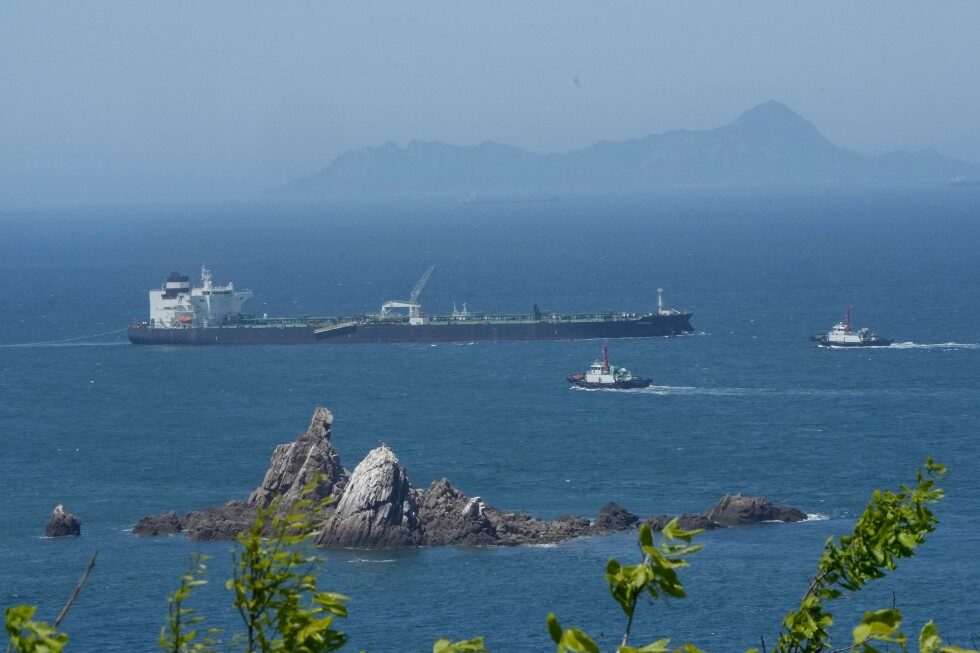
A Malta-flagged oil tanker carrying 1 million barrels of crude oil arrived off South Korea’s western coast Friday, completing a journey through the increasingly volatile Strait of Hormuz amid rising tensions in the Middle East.
The vessel, named Odessa, reached waters near the port city of Seosan after passing through the strategic waterway in mid-April during a period of ceasefire negotiations between Iran and the United States, according to HD Hyundai Oilbank, one of South Korea’s major refineries.
The tanker is expected to dock at the company’s offshore mooring facility later Friday to unload its cargo, which represents between 35-50% of South Korea’s daily crude oil consumption. HD Hyundai Oilbank plans to process the crude into various petroleum products including gasoline, diesel, and naphtha at its facilities, which have a daily refining capacity of up to 690,000 barrels.
This shipment takes on particular significance as Iran’s growing control over the Strait of Hormuz has sent shockwaves through the global economy, triggering spikes in fuel prices worldwide. The narrow waterway between the Persian Gulf and the Gulf of Oman serves as a critical chokepoint for global energy supplies, with approximately 20% of the world’s oil passing through it.
For South Korea, the stakes are especially high. The country imported more than 60% of its crude oil and 50% of its naphtha through the strait last year. Naphtha is a crucial petrochemical feedstock used in manufacturing plastics, making it vital for South Korea’s industrial sector.
The ongoing conflict involving Iran has forced South Korea’s government to take unprecedented measures to stabilize its energy-dependent economy. For the first time in decades, authorities have implemented price caps on gasoline and other petroleum products to shield consumers from soaring costs. The government has also directed refiners to redirect naphtha exports for domestic use while urgently working to secure alternative oil supplies and shipping routes.
South Korea’s vulnerability stems from its position as a major industrial and manufacturing hub with minimal domestic energy resources. The country’s economic model relies heavily on importing raw materials and exporting finished goods, making it particularly sensitive to disruptions in global shipping and energy supply chains.
Regional analysts note that South Korea isn’t alone in its predicament. Other Asian economies, including Japan, China, and India, also depend significantly on Middle Eastern oil passing through the Strait of Hormuz. However, South Korea’s particular industrial mix and limited strategic petroleum reserves make it especially vulnerable to prolonged disruptions.
The arrival of the Odessa represents a temporary reprieve for South Korea’s energy concerns, but long-term challenges remain if tensions continue to escalate in the Middle East. Energy security experts suggest that Asian nations may need to diversify their oil sources more aggressively, potentially looking toward suppliers in the Americas, Africa, or Russia to reduce their dependence on Middle Eastern crude.
HD Hyundai Oilbank and other South Korean refiners are reportedly exploring options to secure more stable supply routes, including potentially longer but safer shipping paths that bypass the Strait of Hormuz entirely.
As the situation develops, South Korean officials continue monitoring the geopolitical landscape closely, aware that further destabilization in the Middle East could have profound implications for the country’s economy and energy security in the months ahead.
Fact Checker
Verify the accuracy of this article using The Disinformation Commission analysis and real-time sources.

12 Comments
This tanker shipment highlights South Korea’s reliance on Middle Eastern oil. Diversifying energy sources should be a priority to reduce geopolitical vulnerabilities.
This tanker journey underscores the high stakes involved in the Strait of Hormuz. Any escalation could send shockwaves through world energy markets.
Absolutely. The global economy’s reliance on that chokepoint is a major vulnerability that needs to be addressed through diversification and diplomacy.
Interesting to see this oil tanker successfully navigate the Strait of Hormuz during a tense period. The Middle East’s control over this critical energy chokepoint is certainly concerning for global supply and prices.
Yes, the geopolitical risks in the region are worrying. Diversifying energy sources and transport routes is crucial for energy security.
I wonder how the threat of further conflict in the Strait of Hormuz is impacting oil traders and shipping companies. The volatility must be causing headaches.
Absolutely. Navigating that waterway safely is critical, but the risks are rising. Shipping insurance rates have likely gone up as a result.
Passage through the Strait of Hormuz is never guaranteed these days. I hope this trend of successful deliveries continues, but the situation remains very fragile.
Agreed. The global economy can’t afford major disruptions to oil flows through that chokepoint. Diplomacy and de-escalation are crucial.
South Korea heavily relies on imported crude oil to fuel its massive refining industry. This shipment is a significant portion of their daily consumption.
Indeed, the arrival of this tanker is an important event for South Korea’s energy needs. Disruptions to the Strait of Hormuz would hit them hard.
690,000 barrels per day of refining capacity is impressive for a single facility. South Korea’s industrial energy needs are immense.