


Listen to the article
In the Dominican Republic, baseball and betting have long been intertwined in a culture where professional athletes, musicians, and politicians openly place wagers. But beneath the surface of legal gambling lies a vast underground betting network that has recently drawn international attention.
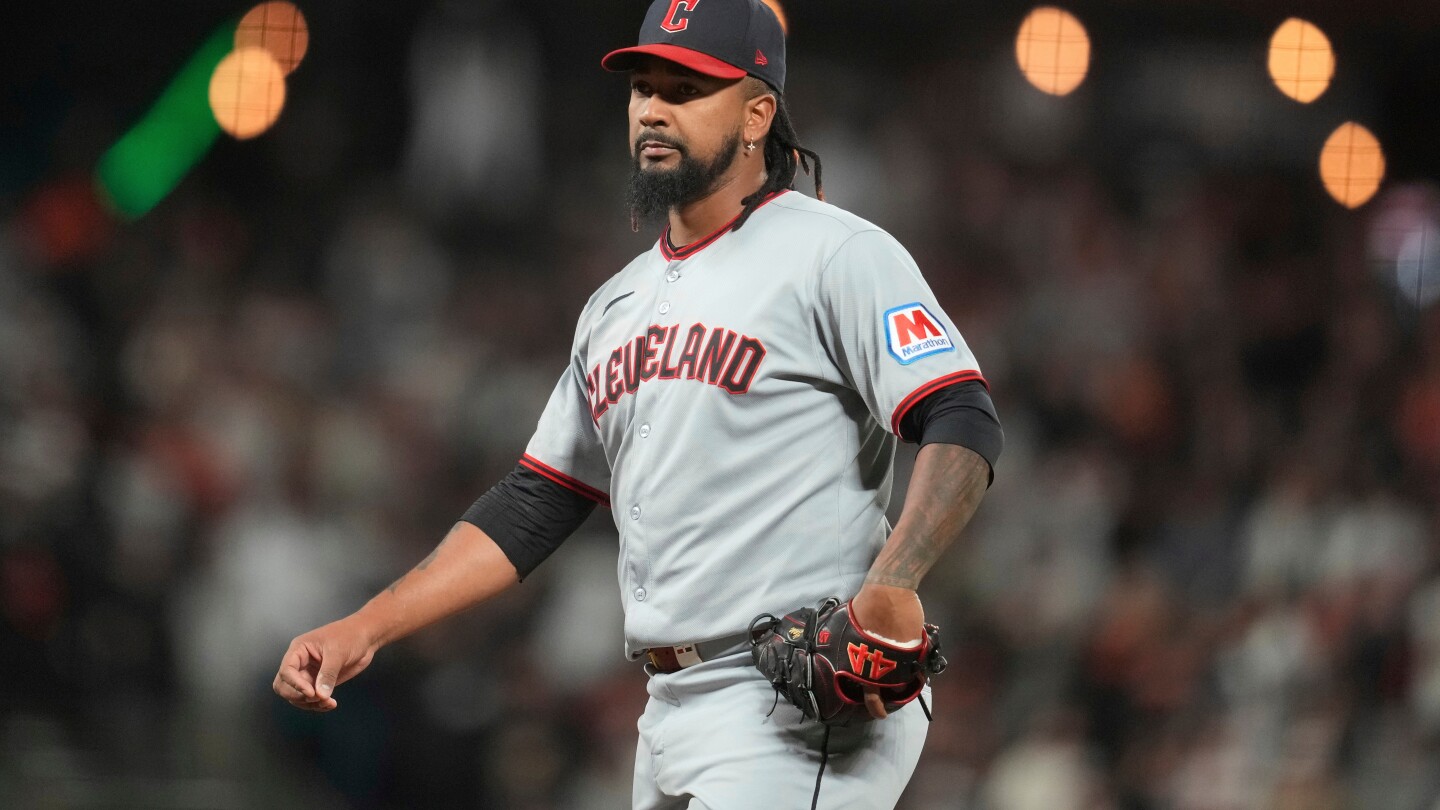
The spotlight turned to this Caribbean nation following U.S. federal indictments against Cleveland Guardians pitchers Emmanuel Clase and Luis Ortiz. The Dominican-born players stand accused of accepting bribes from sports bettors in their homeland to intentionally throw certain pitches, allegedly helping those bettors win at least $460,000. Both players have pleaded not guilty to the charges.
These allegations have sent shockwaves through the Dominican Republic, where baseball is more than just a sport—it’s a source of national pride and identity.
“The case of Emmanuel Clase and Luis Ortiz tarnishes the image of Dominican baseball players,” said José de los Santos, a passionate follower of both Dominican and Major League Baseball. “Actions of that nature put Dominican and Latino players in the spotlight for all the wrong reasons.”
The gambling landscape in the Dominican Republic is extensive. According to the Dominican Association of Sports Betting Shops, approximately 3,500 registered betting establishments operate legally across the country of 11 million people. However, industry insiders acknowledge that unregistered, illegal betting shops vastly outnumber legitimate operations.
Quico Tabar, who heads the country’s national lottery and was tasked by the president with regulating gambling, recently admitted in a public letter that despite years of effort, officials have struggled to bring the betting industry under control due to “circumstances beyond our control,” though he did not elaborate on these obstacles.
For many Dominican bettors, the distinction between legal and illegal establishments seems irrelevant. Raymond Jiménez, a self-described frequent sports gambler, says he simply chooses the businesses that allow large wagers and are conveniently located.
“I don’t know of any illegal betting shops,” Jiménez remarked, suggesting either a lack of awareness or indifference to a business’s regulatory status.
Jiménez, who has been gambling since his teenage years, revealed that most wagers in the country focus on major American sports leagues including MLB, NBA, and NFL games. “I’ve been gambling since 1998, when I was underage,” he said. “I used to jump the school fence to go into a betting shop at 14 years old. I’ve heard everything, from athletes who sell themselves to gamblers to others who bet against them.”
The Dominican government is currently debating legislation that would establish a new regulatory body to oversee gambling operations and implement penalties for non-compliance. The bill comes amid heightened scrutiny of corruption within the gambling sector.
The scandal involving Clase and Ortiz coincides with another high-profile gambling case. Oscar Chalas, the Dominican Republic’s former director of casinos and gambling, recently reached a plea deal with prosecutors after admitting to collecting monthly payments from illegal betting shops in exchange for allowing them to operate. Chalas told a judge that each illicit establishment paid up to $100 monthly, though he claimed he couldn’t recall the total amount collected because there were “so many” operations involved. More concerning, he alleged that a former treasury minister was aware of and approved the scheme.
As the country prepares for the Dominican Republic’s Professional Baseball League finals early next year, both legal and illegal betting activity is expected to surge dramatically.
The country’s gambling culture is so embedded that even sports celebrities participate openly. Earlier this year, baseball legend and former Boston Red Sox star David Ortiz made headlines when he placed a 1 million peso ($16,000) bet on social media favoring the team that ultimately won the championship. His total wagers eventually reached 15 million pesos ($240,000), including a 2 million peso bet with Dominican urban singer Bulin 47—a debt Ortiz later forgave.
As investigations continue into both the MLB pitchers’ case and domestic gambling corruption, Dominican authorities face mounting pressure to address the regulatory challenges of an industry deeply woven into the fabric of the nation’s sports culture.
Fact Checker
Verify the accuracy of this article using The Disinformation Commission analysis and real-time sources.

18 Comments
This is a troubling development for Dominican baseball players and fans. While betting is deeply ingrained in the culture, any allegations of match-fixing or bribery must be taken seriously to protect the integrity of the sport.
Agreed. The Dominican Republic takes great national pride in its baseball heroes, so this scandal is especially disappointing. Officials will need to investigate thoroughly and ensure appropriate penalties if the charges are proven true.
This scandal is a wake-up call for the Dominican Republic to get a handle on the pervasive issue of illegal sports betting. Robust regulation and enforcement are needed to safeguard the reputation of the nation’s beloved pastime.
Well said. The Dominican government and baseball authorities must demonstrate a clear commitment to tackling this problem head-on, or risk further damage to the sport’s reputation both at home and abroad.
This case highlights the need for greater transparency and oversight of sports betting, especially in regions where the practice is deeply embedded. Stricter regulations and player education could help deter future incidents.
Absolutely. Protecting the integrity of the game should be the top priority. Hopefully this serves as a wake-up call to strengthen monitoring and enforcement around sports betting, both legal and illegal.
Illegal sports betting is a scourge that undermines the credibility of professional sports. These alleged actions by MLB pitchers are a betrayal of the trust placed in them by their teams and fans. Strict enforcement is critical.
You’re right, the damage to the reputation of Dominican baseball could be significant if this is not addressed forcefully. The league and government must send a clear message that corruption will not be tolerated.
It’s disappointing to see Dominican players allegedly involved in this type of scheme. As a baseball-loving nation, the Dominican Republic should be at the forefront of rooting out corruption and upholding the sport’s values.
Agreed. The Dominican Republic has produced so many talented and celebrated baseball players over the years. This scandal threatens to undermine that proud legacy if not addressed properly.
As a fan of Dominican baseball, I’m troubled by these allegations. The players involved must be held accountable, but the league and government also need to examine how to better protect the sport’s integrity moving forward.
Absolutely. Transparency, strong governance, and player education will be key to restoring trust and ensuring this doesn’t become a recurring problem for Dominican baseball.
This is a complex issue with deep cultural roots in the Dominican Republic. While the alleged actions of these players are unacceptable, addressing the broader challenges around sports betting will require a nuanced approach.
That’s a fair point. Simply cracking down may not be enough – there needs to be a broader strategy to tackle the underlying factors that enable this type of corruption to take hold in the first place.
As a baseball fan, I’m disheartened to see this scandal unfold. The Dominican Republic must take swift and decisive action to investigate these allegations, punish any wrongdoers, and implement measures to prevent future incidents.
Absolutely. The credibility of Dominican baseball is on the line here. Robust reforms are needed to restore public trust and ensure the sport’s long-term viability and reputation, both at home and internationally.
While the alleged actions of these players are reprehensible, I hope the Dominican Republic can use this as an opportunity to enact meaningful reforms to address the broader challenges around sports betting and corruption.
Agreed. This is a complex issue that requires a comprehensive solution, not just punishing the individual players involved. A holistic approach to strengthening oversight and integrity will be crucial.