


Listen to the article
U.S.-Iran Standoff Intensifies as Blockade Takes Effect and Diplomatic Efforts Continue
The standoff between the United States and Iran escalated Tuesday as the U.S. implemented a blockade of Iranian ports, while Tehran threatened to strike targets across the region if provoked. Pakistan has emerged as a mediator, working to bring both sides together for additional talks following the failure of initial negotiations.
Despite last week’s ceasefire largely holding, the confrontation over the strategically vital Strait of Hormuz threatens to reignite hostilities and exacerbate the economic impact of a conflict that has already sent shockwaves through global markets.
The conflict, which began on February 28 with U.S. and Israeli strikes against Iran, has entered its seventh week with no permanent resolution in sight. Pakistan has proposed hosting a second round of talks in the coming days after the first round failed to produce an agreement.
Pakistani officials, speaking anonymously due to the sensitive nature of the discussions, characterized the initial negotiations as part of an ongoing diplomatic process rather than a one-time effort. U.S. officials confirmed that discussions about another round of talks are underway, with the venue, timing, and composition of delegations still undetermined, though Thursday has been mentioned as a possibility.
The human toll of the conflict continues to mount, with at least 3,000 dead in Iran, more than 2,000 in Lebanon, 23 in Israel, and over a dozen in Gulf Arab states. Thirteen U.S. service members have also lost their lives.
The newly implemented U.S. blockade aims to pressure Iran, which has exported millions of barrels of oil since the war began, primarily to Asian markets. Much of this trade has occurred through “dark transits” designed to evade international sanctions, providing crucial revenue for Tehran’s government.
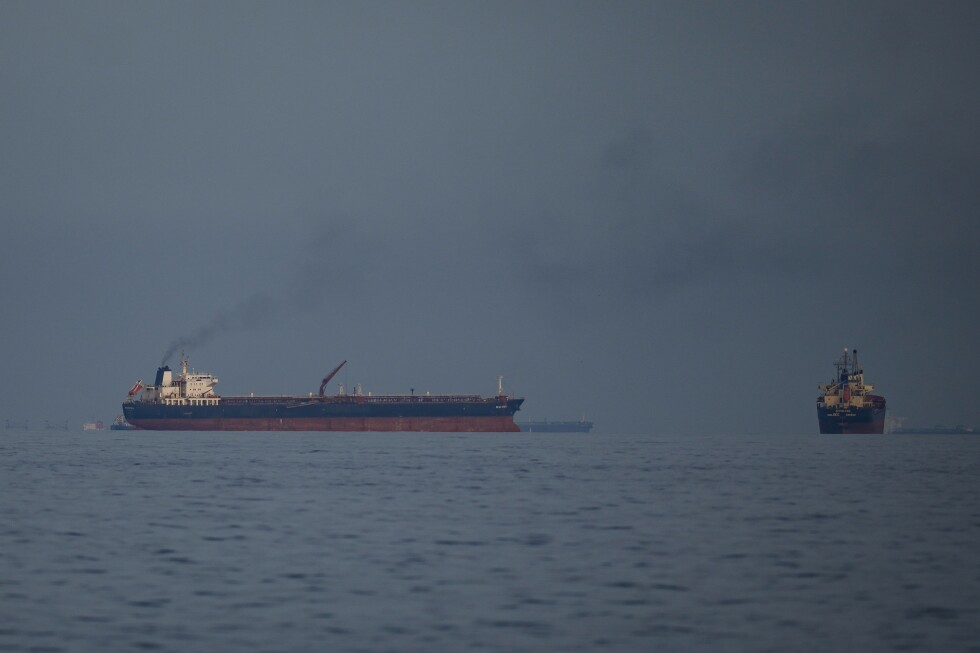
Questions remain about enforcement mechanisms and compliance levels during the blockade’s first full day. Several tankers approaching the strait on Monday reversed course shortly after the blockade took effect. However, the tanker Rich Starry, which had been waiting off the United Arab Emirates coast, successfully transited the waterway early Tuesday.
According to shipping data firm Lloyd’s List, citing information from energy cargo-tracking firm Vortexa, the Rich Starry is owned by a Chinese shipping company and bound for China. The vessel is listed by the U.S. Treasury’s Office of Foreign Assets Control as linked to Iranian shipping, though it’s unclear whether it had previously docked in Iran.
U.S. Central Command has not responded to inquiries about the vessel after it cleared the 21-mile-wide waterway. The command previously stated that the blockade applies to vessels traveling to and from Iranian ports.
The restriction of maritime traffic through the Strait of Hormuz, which normally handles one-fifth of global oil shipments, has caused oil prices to surge, increasing costs for gasoline, food, and other essential commodities worldwide.
President Donald Trump stated Monday that Iran’s control of the strait amounted to “blackmail and extortion” as the U.S. blockade came into force. He claimed Iran’s navy had been “completely obliterated” but still possessed “fast attack ships,” warning that any vessels approaching the blockade would be “immediately ELIMINATED.”
Iran responded with defiance, with parliamentary speaker Mohammad Bagher Qalibaf directly addressing Trump: “If you fight, we will fight.”
In response to the crisis, French President Emmanuel Macron and British Prime Minister Keir Starmer will co-chair a conference Friday for nations willing to deploy warships to escort commercial vessels through the strait “when security conditions allow.”
Meanwhile, direct talks between Israel and Lebanon were scheduled to begin Tuesday in Washington—the first such negotiations in decades. Israel has continued its military campaign in Lebanon despite the ceasefire with Iran, maintaining that the agreement does not extend to its operations against Hezbollah.
The Washington talks are expected to focus on establishing parameters rather than resolving core issues. Lebanese officials are pushing for a ceasefire, while Israel is emphasizing Hezbollah’s disarmament and a potential peace deal without explicitly committing to stop hostilities or withdraw forces.
Israel seeks to hold Lebanon’s government responsible for disarming Hezbollah, similar to provisions in a November 2024 ceasefire agreement. However, the militant group has resisted previous attempts to limit its power and declared Monday that it would not abide by any agreements resulting from the Washington talks.
As diplomatic efforts continue on multiple fronts, the risk of further escalation remains high, with global economic stability hanging in the balance.
Fact Checker
Verify the accuracy of this article using The Disinformation Commission analysis and real-time sources.

8 Comments
As an observer, I’m quite concerned about the potential for this conflict to escalate further and disrupt global energy markets, which could have significant knock-on effects for industries like mining and commodities. Diplomacy must prevail.
I’m curious to see what specific proposals or concessions might be on the table during this second round of talks. Both the US and Iran will need to demonstrate flexibility and a willingness to compromise if a lasting agreement is to be reached.
The role of Pakistan as a mediator is an interesting development. As a regional power, they may be able to provide a fresh perspective and help bridge the gap between the US and Iran. Let’s hope this second round of talks produces tangible progress.
This conflict is undoubtedly complex, with high stakes for all involved. I hope the diplomatic efforts can find a way to de-escalate the situation and prevent further disruption to energy supplies and global trade. Cautious optimism is warranted.
Pakistan’s role as a mediator in these talks is an interesting development. As a neighbor of both the US and Iran, they may be able to provide a neutral platform for constructive dialogue. Let’s hope the second round of negotiations makes meaningful progress.
This conflict has already had significant economic impacts, including volatility in global commodity markets. Continued instability could further disrupt supply chains and energy security, which would be concerning for industries and consumers alike.
The ongoing tensions between the US and Iran continue to be a significant source of concern, especially given the potential impact on global energy markets and the wider regional stability. It will be crucial for all parties to engage in good-faith negotiations to find a diplomatic solution.
The prospect of a potential escalation in the Strait of Hormuz is worrying, given the strategic importance of this waterway for global trade and energy flows. All sides need to exercise restraint and prioritize diplomatic efforts to de-escalate the situation.