


Listen to the article
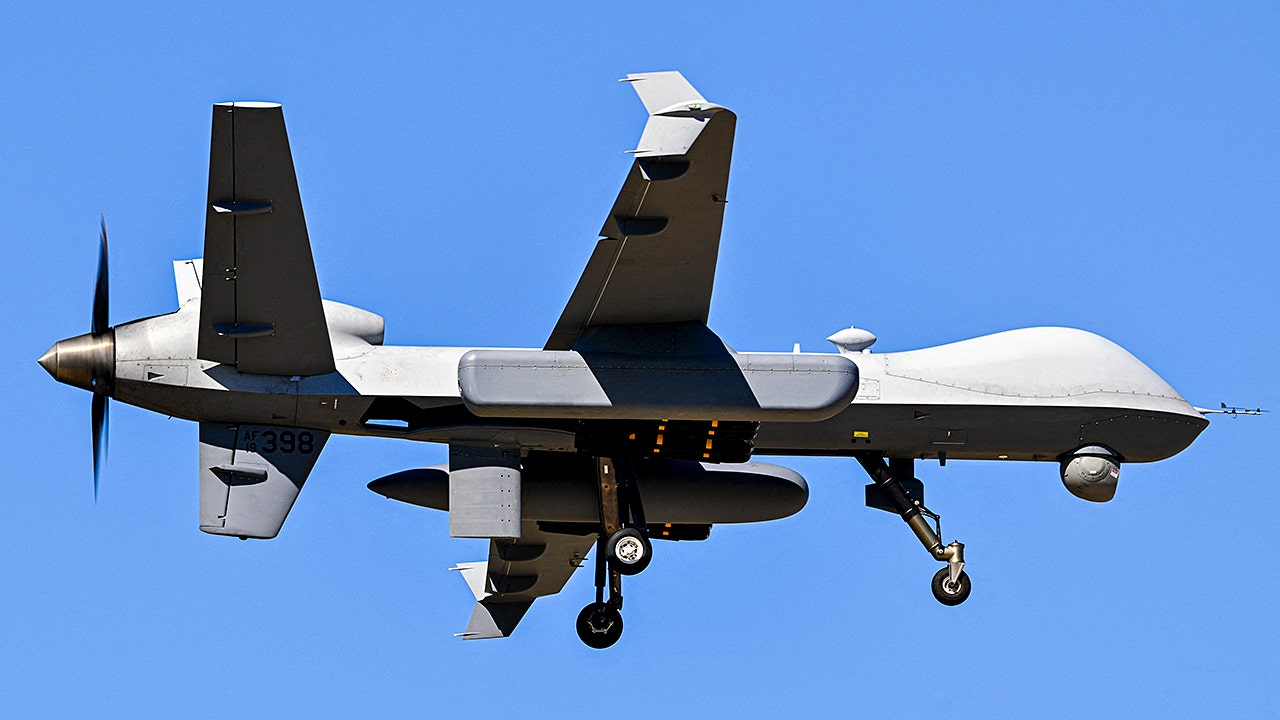
The U.S. military has deployed MQ-9 Reaper drones to Nigeria, according to a U.S. defense official who spoke with The Associated Press. This deployment comes amid growing concerns over a resurgence of the terrorist group Boko Haram in Africa’s most populous nation.
The drone deployment follows the arrival of approximately 200 U.S. troops in Nigeria last month. These personnel were sent to provide training, intelligence support, and advisory assistance to Nigerian armed forces battling an increasingly complex security crisis in the northern regions of the country.
A spokesperson for U.S. Africa Command (AFRICOM) confirmed that American troops “are working alongside their Nigerian counterparts to provide intelligence support, advisory assistance, and targeted training in support of the Nigerian Armed Forces.” The U.S. forces and the MQ-9 drones are stationed at Bauchi Airfield, a newly constructed airport in northeastern Nigeria, though the exact number of drones deployed remains undisclosed.
Nigeria faces threats from multiple militant groups, with Boko Haram and its breakaway faction, Islamic State West Africa Province (ISWAP), presenting the most significant challenges. Other active groups include the ISIS-linked Lakurawa and various “bandit” organizations specializing in kidnapping for ransom and illegal mining operations.
The security situation has deteriorated in recent weeks. Earlier this month, three suspected suicide bombings in Maiduguri, the capital of Borno state in northeastern Nigeria, killed at least 23 people and wounded 108 others. While no group claimed responsibility, suspicion immediately fell on Boko Haram, which launched its insurgency in 2009 with the goal of implementing strict Sharia law across northeastern Nigeria.
This deployment represents a significant escalation in U.S.-Nigerian security cooperation. The new security partnership was reportedly established after President Donald Trump expressed alarm about the killing of Christians amid Nigeria’s security crisis. On December 26, 2025, the U.S. launched strikes against Islamic State forces in the region.
According to the Office of the Director of National Intelligence, Boko Haram’s primary objective is to “overthrow the current Nigerian Government and replace it with a regime based on Islamic law.” The U.S. State Department designated Boko Haram as a Foreign Terrorist Organization in November 2013, recognizing the severe threat it poses to regional stability.
The MQ-9 Reaper drones, which cost approximately $30 million each, are sophisticated unmanned aerial vehicles with variants designed for both land and sea operations. While these drones have strike capabilities, AFRICOM has emphasized that in Nigeria, they will be utilized exclusively for intelligence gathering and training purposes rather than conducting airstrikes.
The deployment comes as Nigeria grapples with widespread public discontent over the security situation. In mid-December, civil society groups and the Nigeria Labour Congress held peaceful protests in Lagos against the government’s handling of the security crisis, highlighting the domestic pressure on Nigerian authorities to address the deteriorating situation.
The U.S. military presence in Nigeria represents part of a broader American strategy to counter terrorist threats in West Africa, a region where extremist groups have established footholds in areas with limited government control. Security analysts suggest that without intervention, these groups could potentially destabilize the entire region, creating humanitarian crises and potential safe havens for terrorist organizations with global ambitions.
As the largest economy in Africa and home to over 200 million people, Nigeria’s stability is considered crucial for the entire continent. The U.S.-Nigeria security partnership indicates Washington’s growing concern about the strategic importance of countering terrorism in West Africa and preventing the spread of extremist ideologies throughout the region.
Fact Checker
Verify the accuracy of this article using The Disinformation Commission analysis and real-time sources.

16 Comments
The U.S. decision to deploy drones and troops to Nigeria reflects the strategic importance of the region. However, the long-term sustainability of this approach remains to be seen.
Agreed. While the military support may provide a short-term boost, lasting stability will require a comprehensive plan that addresses the socioeconomic and political drivers of extremism in the region.
It’s concerning to see the resurgence of Boko Haram in Nigeria. The deployment of U.S. drones and troops could help stabilize the situation, but addressing the root causes of extremism will be crucial.
Agreed. Supporting the Nigerian armed forces with intelligence and training is a prudent step, but long-term solutions require a comprehensive strategy to tackle poverty, lack of opportunity, and radicalization.
This deployment highlights the continued threat of Boko Haram and the need for a coordinated international response. It will be interesting to see how the U.S. involvement shapes the ongoing efforts to combat this terrorist group.
You raise a good point. Regional cooperation and intelligence-sharing will be essential for effectively addressing the Boko Haram threat across Nigeria and the broader Lake Chad Basin.
It’s concerning to see the security situation in Nigeria deteriorate, with Boko Haram posing an increasingly complex threat. The U.S. intervention could be a double-edged sword, so close monitoring of its impact will be crucial.
You raise a valid point. The U.S. involvement carries both risks and potential benefits. Maintaining close coordination with Nigerian authorities and civil society will be key to ensuring a positive outcome.
The U.S. intervention in Nigeria highlights the complex geopolitical dynamics in the region. I’m curious to see how this deployment will impact the ongoing fight against Boko Haram and other militant groups.
It’s a delicate situation that requires a nuanced approach. The U.S. will need to tread carefully to avoid further destabilizing the region or fueling anti-Western sentiment.
The use of drones and increased military presence in Nigeria raises concerns about civilian casualties and the potential for escalating the conflict. Effective counterterrorism efforts must prioritize protecting innocent lives.
Absolutely. Any military operations should be conducted with the utmost care and consideration for human rights. Transparency and accountability will be crucial to maintaining public trust.
The deployment of U.S. drones and troops to Nigeria highlights the global nature of the fight against terrorism. However, the long-term success of such interventions often hinges on addressing the underlying socioeconomic and political challenges.
Absolutely. Military action alone is rarely a panacea for complex security issues. Sustainable solutions require a holistic approach that combines security, development, and diplomacy.
The increased U.S. military presence in Nigeria raises questions about the potential for mission creep and unintended consequences. Careful planning and continuous evaluation will be crucial to ensuring the intervention remains focused and effective.
That’s a valid concern. Striking the right balance between security and governance, while respecting local sovereignty, will be a delicate challenge for the U.S. and its Nigerian partners.