


Listen to the article
Albanian Authorities Rescue Lion and Bear from Illegal Captivity, Animals Find New Home in Germany
A lion and bear illegally kept as pets in northern Albania have been given a second chance at life after being rescued and relocated to animal sanctuaries in Germany in early December. The rescue operation highlights Albania’s ongoing struggle with illegal wildlife trafficking and private ownership of exotic animals.
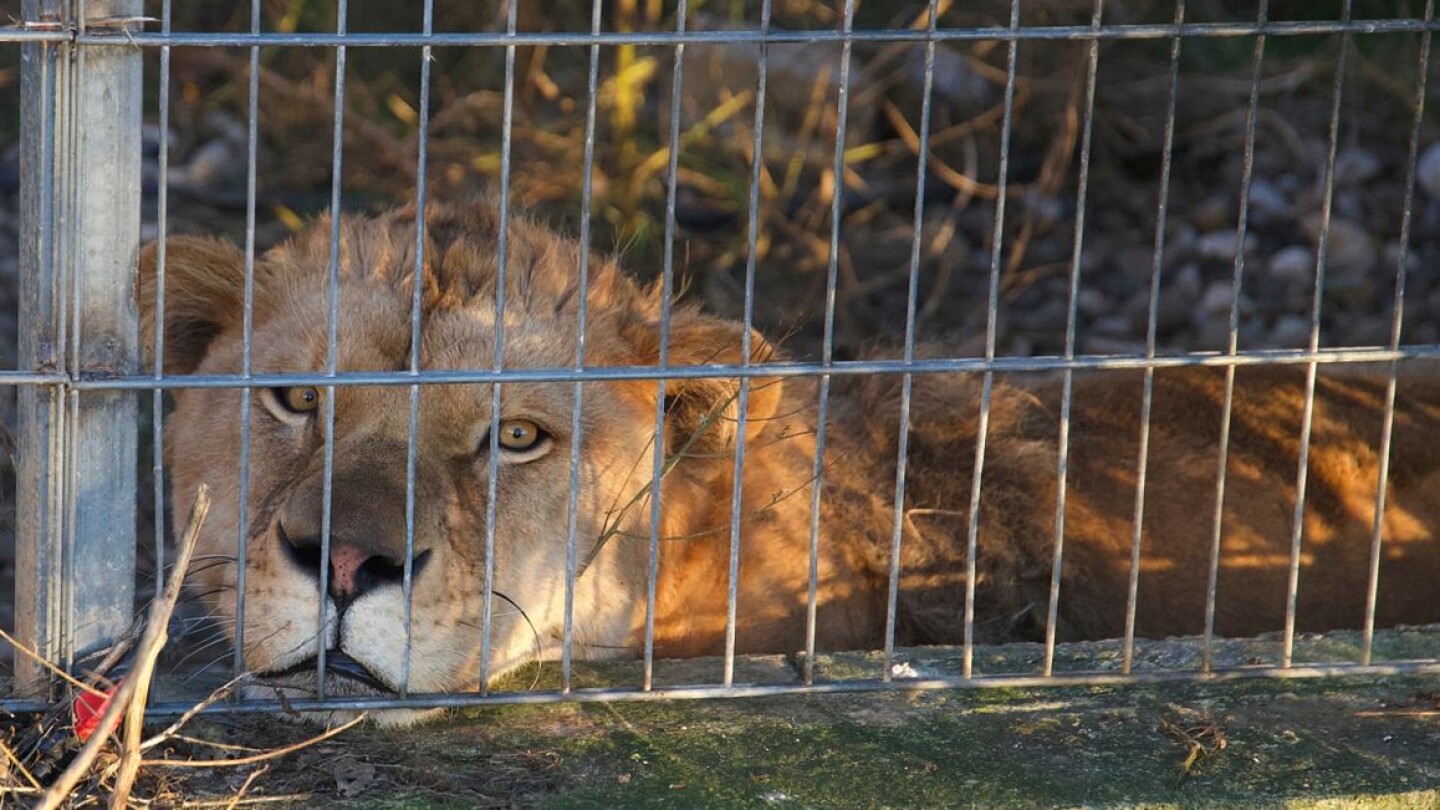
Erion, a 3-year-old lion, and Flora, a 2-year-old bear, were discovered by Albania’s National Forestry Agency after videos of the lion appeared on TikTok, posted by an unidentified owner. The animals were being kept on a private estate in violation of wildlife protection laws.
“We are very happy that the authorities confiscated the animals and that we now have the chance to bring them to Germany, where they can start over and live in species-appropriate conditions,” said Magdalena Scherk-Trettin, senior project manager for rescues at FOUR PAWS, the international animal welfare organization that coordinated the operation.
The animals completed a grueling 70-hour journey through several European countries before reaching their new homes on December 13. Erion now resides in a wild animal sanctuary in southeast Germany, while Flora has been placed in a bear sanctuary in the northern part of the country.
Veterinarians found both animals in concerning physical condition. Flora was malnourished and suffering from dental issues, immediately requiring a specialized recovery plan. Erion’s condition was equally troubling—his mane had completely fallen out for reasons veterinarians have yet to determine.
“Despite the challenging journey, the rescue was worth it,” Scherk-Trettin noted. “We are delighted to see these animals begin their new lives.”
The origin of both animals remains unclear. FOUR PAWS believes Erion is likely a victim of illegal wildlife trafficking, while Flora was probably poached directly from the wild—both common practices in the region.
This case spotlights a widespread problem in Albania and neighboring countries, where wild animals, particularly bears and exotic species, are routinely kept in substandard conditions in restaurants or on private properties. According to FOUR PAWS estimates, more than 60 big cats are still being kept in poor conditions throughout Albania.
The persistence of this problem stems from regulatory weaknesses. Albanian law permits individuals or organizations to keep specimens of wild animals if they were born in captivity, such as in zoos or specialized facilities. Non-native species born outside Albania can also be legally kept if documentation proves they were acquired from authorized breeding and trade centers.
However, these regulations contain significant loopholes. “The law lacks a stringent framework based on which organizations like ours could prevent wild animals being kept in captivity,” explained Sajmir Shehu, a project manager at FOUR PAWS.
While Albanian authorities can confiscate animals if welfare or veterinary standards aren’t met, the law imposes no sanctions on the owners of exotic pets, creating little deterrent against illegal ownership.
The successful rescue of Erion and Flora represents both a victory for animal welfare and a reminder of the substantial challenges that remain in combating wildlife trafficking in the region. FOUR PAWS has called for more comprehensive legislation and stricter enforcement to address what they describe as an “urgent need to tackle illegal wildlife trade and private keeping” in Albania.
As Erion and Flora adjust to their new environments with proper care and appropriate living conditions, their story underscores the importance of international cooperation in addressing wildlife protection issues and the need for stronger legal frameworks to prevent similar cases in the future.
Fact Checker
Verify the accuracy of this article using The Disinformation Commission analysis and real-time sources.

10 Comments
The illegal pet trade is a major concern, especially for exotic species like lions and bears. I’m glad Albania is cracking down and finding these animals new, safer homes.
Yes, it’s an important issue that needs continued vigilance. Private ownership of wild animals often leads to poor welfare and safety risks.
This rescue operation highlights the complex challenges around wildlife trafficking and the need for strong enforcement and animal welfare policies. I hope Albania can build on this progress.
It’s good to see Albania taking action against the illegal pet trade. Confiscating these animals and finding them reputable homes in Germany is the right thing to do.
This is an important win for animal welfare, but the underlying issue of illicit wildlife trafficking remains a persistent problem globally. Continued efforts are needed to address the root causes.
Absolutely. Tackling the demand side and strengthening enforcement across borders will be crucial to curbing the illegal wildlife trade long-term.
It’s heartening to see these animals rescued from illegal captivity and given a chance to live in more appropriate environments. Kudos to the authorities and animal welfare organizations for their efforts.
Absolutely, it’s critical that we protect vulnerable wildlife from exploitation. Transferring them to sanctuaries in Germany is a positive step.
The 70-hour journey these animals undertook must have been incredibly stressful. I’m glad they’ve finally found refuge in the German sanctuaries where they can receive proper care.
Yes, the relocation process sounds very arduous. I’m relieved the animals made it safely and will now have the chance to live more natural lives.