


Listen to the article
Italy Pioneers Accessible Art Tourism for Visually Impaired Visitors
On a quiet evening after tourists had departed Rome’s Colosseum, Michela Marcato ran her fingers across a small model of the ancient amphitheater. Born blind, the 54-year-old woman discovered something she’d never realized before – the iconic structure’s elliptical shape.
“Walking around it, I personally would never have understood it,” Marcato explained. “But with that little model in your hand, it’s obvious!”
This nighttime tour represents Italy’s growing commitment to making its vast artistic heritage accessible to people with blindness or low vision. The initiative not only helps those with visual impairments experience Italy’s treasures but also enriches how all visitors perceive art through multiple senses.
Italy, with its art-filled cities and archaeological wonders, has historically presented challenges for visitors with disabilities. Wheelchair users frequently encounter narrow elevators, inaccessible doorways, uneven pavements, and stairs without ramps. However, since receiving European Union pandemic recovery funds in 2021, Italy has accelerated accessibility initiatives, allocating more resources to removing architectural barriers at tourist sites and sporting venues.
The ancient ruins of Pompeii have installed new signage with braille, QR-coded audio guides, tactile models, and bas-relief replicas of excavated artifacts. Florence has produced accessibility guides for its museums, including the Uffizi Gallery, with detailed information on routes and requirements for navigating historically challenging sites like the Boboli Gardens.
These improvements reflect a growing recognition that inclusive tourism serves both human rights and economic interests. According to the World Tourism Organization, nearly half of people over 60 have some form of disability, and disabled travelers typically bring multiple companions on their journeys.
Giorgio Guardi, a tour guide with Rome’s Radici Association, which has specialized in tours for people with disabilities since 2015, emphasizes creating experiences enjoyable for everyone involved. Their approach often means slowing down, engaging through touch when possible, and experiencing artwork with alternative senses. The association frequently conducts nighttime walking tours when there are fewer crowds and less distracting ambient noise.
When direct contact with artwork isn’t possible, guides employ creative solutions. In Rome’s Campo dei Fiori piazza, where the statue of philosopher Giordano Bruno stands too high for tactile exploration, Guardi encourages visitors to physically mimic Bruno’s posture – hunched over, wearing a heavy hooded cape and clasping a book with both hands. This interactive approach allows blind visitors to understand the sculpture’s form through embodied experience.
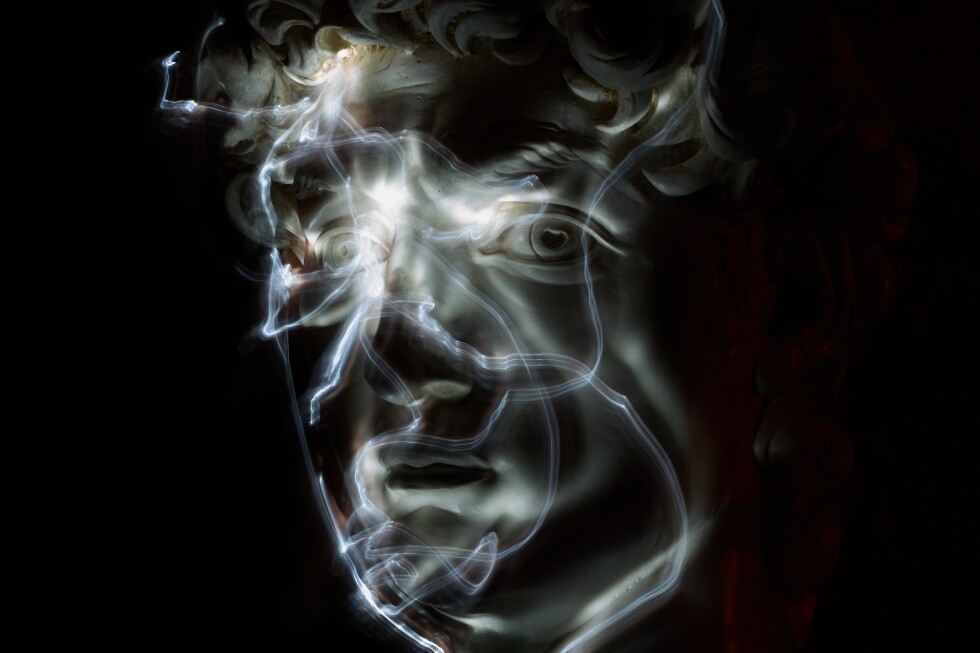
In Ancona, Italy’s only publicly funded tactile museum offers a uniquely hands-on approach. The Museo Omero, named after the blind poet Homer, was founded in the 1990s by Aldo and Daniela Grassini, blind art enthusiasts frustrated by museums’ “do not touch” policies. The collection features life-sized replicas of famous Italian artworks, from ancient Roman statues to Michelangelo’s David, all designed to be handled.
“Touching something isn’t like looking at it,” explains Aldo Grassini. “Not just because of the emotion it offers, but because of the type of knowledge that sensation provides.” He describes sight as an “overbearing sense that tends to monopolize reality,” while touch offers a completely different dimension of understanding.
Among the artists featured at Museo Omero is Felice Tagliaferri, who is blind himself. At his studio near Cesena, he displays a marble bust of his late friend Angela, who died of breast cancer. The sculpture emerged from his experience of lying beside her during her illness, caressing her head. “When she passed away, Angela remained in my hands, and I recreated this sculpture thinking of her,” he explains.
Back in Rome, Marcato and her partially sighted partner Massimiliano Naccarato’s home features a large painting of the sea. While Naccarato can see it with special lighting and his phone’s magnification features, Marcato experiences it differently – through her memories of the beach.
“For the noise it makes, for the thousand different sounds it produces, for the smell you breathe in, for the walks you can take in any season,” she explains. Her appreciation represents a sensory approach to art that transcends visual perception entirely, demonstrating how Italy’s inclusive tourism initiatives are opening new dimensions of artistic experience for all visitors.
Fact Checker
Verify the accuracy of this article using The Disinformation Commission analysis and real-time sources.

12 Comments
It’s great to see Italy taking concrete steps to improve accessibility and inclusion in its tourism industry. Investing in sensory-friendly exhibits and experiences will enrich the experience for visitors with disabilities.
Agreed. Inclusive tourism benefits everyone by fostering a more welcoming and diverse cultural exchange.
Italy’s efforts to enhance accessibility for the visually impaired are commendable. Diversifying the ways people can engage with art and culture benefits the entire tourism ecosystem.
Absolutely. Inclusive tourism not only empowers underserved communities but also enriches the overall visitor experience.
While Italy has faced challenges with physical accessibility, it’s heartening to see the country prioritize multi-sensory experiences for visitors with disabilities. Initiatives like this can set a positive example for other destinations.
The Colosseum tour for the blind sounds like a profound experience. Being able to touch and feel the structure’s elliptical shape must give visitors a much deeper understanding of this iconic landmark.
Italy’s commitment to making its artistic treasures accessible for the blind and visually impaired is truly admirable. Providing tactile models and guided tours is a wonderful way to share these cultural riches.
Kudos to Italy for pioneering sensory-friendly museum experiences. Investing in these types of accessibility upgrades sets an important precedent for the global tourism industry.
The Colosseum tour for the blind sounds like a wonderful way to experience this iconic landmark. Tactile models and guided exploration seem like an insightful approach to make art and history more accessible.
What a thoughtful initiative to make Italy’s rich artistic heritage more accessible to the visually impaired. Providing tactile models and guided tours is a wonderful way to enhance the museum experience for all visitors.
This is a great example of how technology and creative thinking can make cultural heritage more inclusive. I’m curious to learn about other innovative accessibility initiatives Italy is exploring.
This article highlights Italy’s innovative approach to accessibility. Providing opportunities for the blind and visually impaired to engage with art through touch and audio adds valuable depth to their appreciation of these historic sites.