


Listen to the article
Manipulated Image of Ukraine’s President Zelenskyy Circulates on Social Media
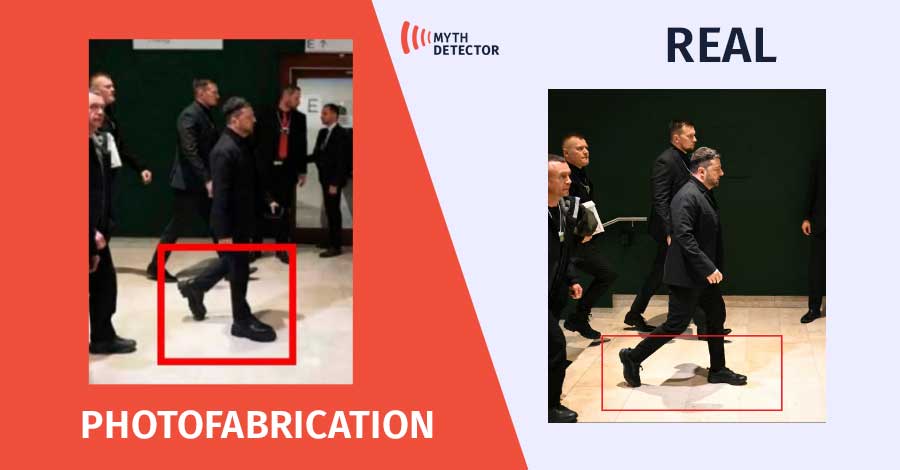
False claims about Ukrainian President Volodymyr Zelenskyy wearing oversized shoes have resurfaced on social media, with digitally altered images spreading misinformation during his recent diplomatic appearances at the World Economic Forum in Davos.
On January 22-23, 2026, Facebook users began sharing an edited photo of Zelenskyy that appeared to show him wearing exaggeratedly large shoes. A Facebook user identified as Eduard Jishkariani, who has a history of spreading disinformation, shared the image with a derogatory caption: “When a clown tries to look like a king, and a dwarf tries to appear like a big man!”
Fact-checking organization Myth Detector conducted a thorough investigation of the image, comparing it with authentic footage and photographs from multiple international news sources that covered Zelenskyy’s attendance at the World Economic Forum. Their analysis conclusively determined that the widely shared image had been digitally manipulated, with the president’s standard black, low-heeled dress shoes significantly altered to create a misleading impression.
The authentic photos, published by reputable news organizations including The New York Times and Bloomberg, clearly show Zelenskyy wearing conventional formal footwear appropriate for diplomatic meetings. The manipulation appears designed to mock the Ukrainian leader’s appearance and undermine his stature on the international stage.
The timing of this disinformation is particularly notable, as it coincided with a high-profile meeting between Zelenskyy and former U.S. President Donald Trump in Davos on January 22. Their discussions primarily centered on potential pathways to end the Russia-Ukraine war, which has now entered its fourth year. The meeting drew significant international media attention as world leaders gathered for the annual economic forum.
This isn’t the first instance of such manipulation. Myth Detector noted that they had previously fact-checked an identical claim in October 2025, when similar doctored images purported to show Zelenskyy wearing unusually high-soled shoes during a meeting with European Council President António Costa. That investigation revealed the images had been generated using artificial intelligence.
The persistent targeting of Zelenskyy with manipulated media reflects a broader pattern of disinformation that has intensified since Russia’s full-scale invasion of Ukraine began. Digital manipulation techniques, including AI-generated imagery, have become increasingly sophisticated tools in information warfare campaigns.
Media analysts point out that such visual disinformation can be particularly effective because images often receive higher engagement on social platforms than text-based content. Even when debunked, manipulated photos can leave lasting impressions on viewers who may not encounter subsequent fact-checks.
“Visual disinformation targeting political figures serves multiple purposes,” said Dr. Elena Vartanova, a media researcher at Moscow State University, in a recent academic paper. “Beyond the immediate mockery, it aims to gradually erode public perception of the targeted individual’s legitimacy and competence.”
The circulation of such content highlights the ongoing challenges facing social media platforms in their efforts to combat misinformation. While Facebook has implemented a third-party fact-checking program that can restrict the reach of identified false content, the initial spread of manipulated media often outpaces verification efforts.
Media literacy experts recommend that users approach unusual or emotionally charged images of public figures with heightened skepticism, particularly during periods of geopolitical tension when disinformation campaigns typically intensify.
As the Russia-Ukraine conflict continues, fact-checking organizations expect similar manipulated content to persist across social platforms, requiring ongoing vigilance from both platform moderators and news consumers alike.
Fact Checker
Verify the accuracy of this article using The Disinformation Commission analysis and real-time sources.

12 Comments
It’s disappointing to see fake photos like this being used to undermine Ukraine’s leadership during this critical time. Fact-checking is crucial to counter the spread of misinformation, especially around high-profile political figures.
Agreed. Spreading false visuals is a common tactic to sow doubt and division. We need to call out these kinds of manipulated images and hold the sources accountable.
Manipulated images like this one are a concerning trend, as they undermine public trust and sow confusion. I’m glad to see the efforts to debunk this specific case of disinformation targeting President Zelenskyy.
Disinformation campaigns targeting world leaders are becoming increasingly sophisticated. It’s important that we all stay vigilant and cross-reference claims against reliable sources before sharing content online.
This is just another example of how social media can be weaponized to undermine public trust. I commend the fact-checking efforts to expose the truth behind this manipulated image of President Zelenskyy.
Absolutely. Verifying the credibility of visual content is crucial, especially when it involves high-profile political figures. We must be careful not to inadvertently contribute to the spread of misinformation.
While it’s tempting to share attention-grabbing content, we have a responsibility to ensure the information we spread is accurate. I’m glad the fact-checkers were able to thoroughly debunk this altered photo of President Zelenskyy.
While it’s concerning to see this manipulation of the president’s image, I’m glad the fact-checkers were able to swiftly debunk the false claims. Maintaining trust in our leaders and institutions is vital, especially during challenging times.
This is yet another attempt to discredit President Zelenskyy through the use of manipulated imagery. It’s concerning to see disinformation spread so quickly on social media these days. We should be vigilant in verifying the authenticity of any images or claims we encounter online.
This is a clear example of how misinformation can spread rapidly on social media. I appreciate the diligence of the fact-checking organizations in exposing the truth behind this altered photo of President Zelenskyy.
Exactly. It’s crucial that we all take the time to verify the authenticity of visual content before sharing it, especially when it involves political figures. Fact-checking is the best defense against the proliferation of disinformation.
It’s unfortunate to see this kind of blatant disinformation targeting President Zelenskyy. We should all be more discerning consumers of online content and look to authoritative sources to separate fact from fiction.