


Listen to the article
Aggressive Russian Rhetoric Sparks Concern in Central Asia
A surge of confrontational statements from Russian media figures toward Central Asian nations has ignited growing concern across the region, forcing analysts to examine potential threats to sovereignty and regional security.
The controversial rhetoric, increasingly prevalent on Russian television and social media platforms, has prompted Moscow to repeatedly distance itself from these provocative comments. Russian officials maintain that views expressed on talk shows or social media do not represent official state policy, which they insist is communicated only through formal government channels.
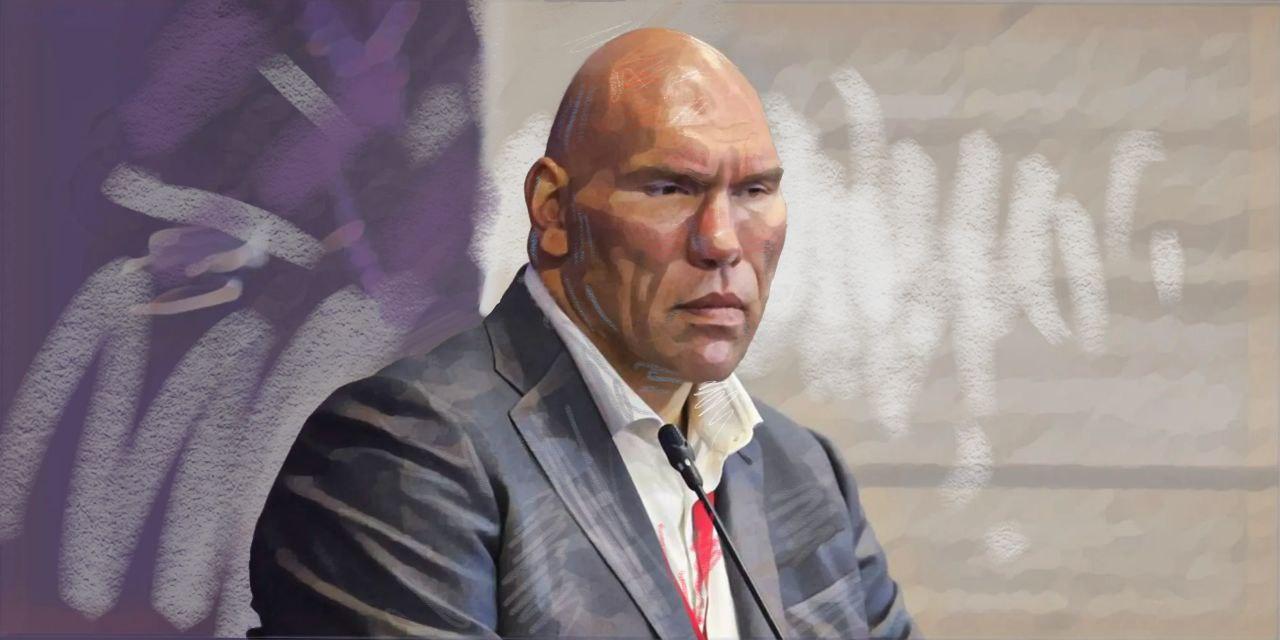
One recent incident that captured widespread attention involved a viral video allegedly showing Russian State Duma deputy and former heavyweight boxing champion Nikolai Valuev suggesting Russia should shift from “carrots” to “sticks” in dealing with former Soviet republics. The video even hinted at the possibility of a “special operation” in Central Asia.
The footage triggered immediate backlash, particularly in Uzbekistan. However, Valuev quickly denied the video’s authenticity, claiming it was a deepfake created using artificial intelligence. “I’m glad that technologies are developing so fast, but this was done with artificial intelligence,” he told RIA Novosti, suggesting the AI had “taken offense” at him for his previous discussions about deepfake technology.
Former Uzbek world boxing champion Ruslan Chagaev, who once fought Valuev in the ring, publicly expressed skepticism that the statements reflected his former opponent’s actual views. Nevertheless, the incident fueled broader regional discussions about information manipulation and how aggressive narratives can gain traction even when debunked.
These concerns received formal attention at a recent session of the analytical forum “Fikrat” in Tashkent, themed “National Interest and Global Pressure.” The gathering brought together experts who assessed the implications of inflammatory rhetoric emerging from Russia toward Central Asia.
Economist Abdulla Abdukadirov, First Deputy Director General of Uzbekistan’s Agency for Strategic Reforms, identified Russian nationalist figure Alexander Dugin as a central promoter of imperialist ideas fueling these narratives. “Dugin is an ideologue of Russian imperialism and a creator of narratives,” Abdukadirov stated. “A narrative is a harbinger of popular and state ideology. It lays the groundwork and tests reactions.”
Abdukadirov emphasized that Central Asia’s response should be unequivocal: “Enough talk about our sovereignty. You did not give it to us, and it is not for you to take it away.” Referencing the Ukraine conflict, he called it a “hard and unambiguous lesson,” warning that reliance on coercion would only strengthen resistance.
When questioned about Russia’s economic leverage over Uzbekistan, Abdukadirov identified labor migration as the primary vulnerability. He acknowledged that by 2022, Russian companies had acquired substantial assets in Uzbekistan’s energy, telecommunications, and media sectors. “They have very large control,” he admitted, though adding that their influence shouldn’t be exaggerated.
Abdukadirov argued that control of assets alone is not decisive if market dynamics shift. “If the state manages the market correctly, a thousand assets can turn into nothing in one day,” he explained, noting that China understands how market conditions determine asset value.
Political scientist Hamid Sodiq observed that the tone of external pressure has evolved dramatically. “Today, it has taken a naked form. No one is ashamed anymore,” he said, recalling that even provocative commentators were once more cautious when discussing Uzbekistan’s sovereignty.
Sodiq warned that mounting external pressure could result in internal consequences, including the risk of political tightening if societies are unprepared. He argued that maintaining a balance between defending sovereignty and preserving state-society relationships is crucial. “This is the time when we must join hands and act together,” he urged.
The discussions in Tashkent also reflected on broader geopolitical dynamics. Quoting the Canadian prime minister’s remarks at the World Economic Forum in Davos, Abdukadirov emphasized that “the middle powers must act together, because if we’re not at the table, we’re on the menu.” He added that when Central Asian nations act collectively, “we will not be on the menu, but among those placing the order.”
As Central Asian states navigate this complex information landscape, the challenge remains to distinguish between media rhetoric and actual policy while maintaining both sovereignty and regional cooperation.
Fact Checker
Verify the accuracy of this article using The Disinformation Commission analysis and real-time sources.

10 Comments
It’s troubling to see Russian media figures making such provocative comments. Central Asian nations must carefully navigate this delicate situation and not be drawn into geopolitical tensions. Maintaining regional stability should be the top priority.
Agreed. The Central Asian states should coordinate closely to present a unified front and reject any Russian attempts at intimidation or interference. Diplomatic channels will be crucial in de-escalating this rhetoric.
This is concerning rhetoric from Russia towards Central Asian nations. It’s important that these countries stand firm in protecting their sovereignty and security. Disinformation and aggressive posturing should be met with a united and principled response.
You’re right, the video suggesting a ‘special operation’ in Central Asia is extremely worrying. The region needs to remain vigilant against any attempts to undermine its independence and territorial integrity.
This is a delicate situation that requires a nuanced and measured response from the Central Asian nations. They should continue to engage with Russia diplomatically while also strengthening regional cooperation and security arrangements.
You make a good point. Engaging Russia directly while also bolstering regional ties and defenses will be crucial. Central Asia must find a way to de-escalate the rhetoric without compromising its sovereignty and independence.
The Russian media rhetoric is clearly aimed at sowing discord and instability in Central Asia. The nations of the region need to remain vigilant and united in their response, prioritizing the protection of their sovereignty and the security of their citizens.
Absolutely. The Central Asian states must coordinate their efforts to counter Russian disinformation and aggressive posturing. A collective, principled approach will be essential in safeguarding the region’s stability and prosperity.
The Russian rhetoric is concerning, but I’m glad to see the Central Asian nations responding firmly. Protecting their sovereignty and security should be the main focus. Hopefully this can be resolved through diplomatic means without any further escalation.
Absolutely. The Central Asian countries must stand their ground and not give in to Russian pressure or aggression. Maintaining regional stability and avoiding conflict should be the top priority for all involved.