


Listen to the article
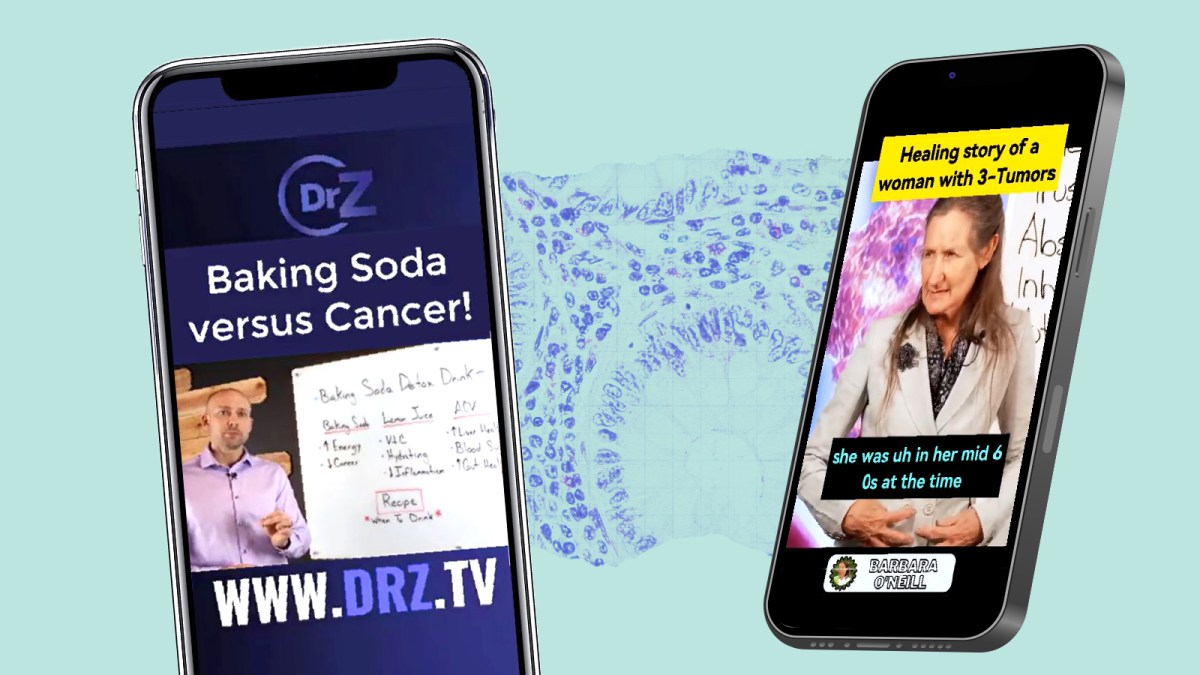
Patients with cancer are increasingly turning to social media for advice on treatments, exposing themselves to potentially dangerous misinformation from self-appointed health “influencers,” according to medical experts. The trend has alarmed oncologists who warn that unverified claims about alternative therapies could delay life-saving conventional treatments.
Dr. Mona Tsoumakidou, consultant in thoracic oncology at The Christie hospital in Manchester, has observed a troubling rise in patients declining proven therapies after being influenced by content they’ve encountered online. “We have patients coming in and saying, ‘I don’t want chemotherapy because it’s toxic,'” she said. “When we ask where they heard this, it’s often from social media.”
The phenomenon appears to be growing across major platforms including Instagram, TikTok, and YouTube, where accounts with hundreds of thousands of followers promote unproven treatments and dietary regimens while criticizing established medical approaches. Some influencers claim to have cured themselves through alternative methods alone, despite lacking medical qualifications.
In a particularly concerning trend, many of these accounts target vulnerable patients by using fear-based messaging about conventional cancer treatments. They often characterize chemotherapy and radiotherapy as “poison” while promoting supplements, special diets, or other alternative approaches that lack scientific evidence.
Cancer Research UK has expressed significant concern about the spread of such misinformation. A spokesperson for the organization noted: “While we understand patients want to explore all options, delaying evidence-based treatments in favor of unproven alternatives can have devastating consequences. Some patients are arriving at clinics with advanced disease after spending critical months pursuing treatments with no scientific backing.”
The impact extends beyond individual health decisions. Medical professionals report spending increasing amounts of consultation time addressing misconceptions picked up online, cutting into already limited appointment times. Some oncologists are now proactively asking patients about information they’ve encountered on social media to address potential concerns before treatment decisions are made.
Digital health experts point to several factors fueling this trend. The algorithmic nature of social media platforms tends to create echo chambers where users are repeatedly exposed to similar content, reinforcing potentially harmful beliefs. Additionally, health misinformation often spreads more widely than accurate medical information, partly because dramatic claims about “miracle cures” generate more engagement than nuanced medical explanations.
“These platforms are designed to maximize engagement, not accuracy,” explained Dr. Sarah Johnson, a digital health researcher at University College London. “Content that triggers emotional responses—whether hope or fear—tends to spread faster than balanced medical information.”
The issue has prompted calls for stronger content moderation on major platforms. While companies like Meta and TikTok have policies against harmful health misinformation, enforcement remains inconsistent. Medical organizations argue that cancer treatment misinformation should receive the same level of scrutiny as COVID-19 falsehoods did during the pandemic.
Patient advocacy groups suggest that the popularity of these influencers also reflects shortcomings in conventional healthcare communication. Many patients report turning to social media after feeling their concerns weren’t adequately addressed during brief consultations or when seeking emotional support through their cancer journey.
“We need to understand why patients are seeking information online in the first place,” said Rebecca Thompson from Cancer Support Network. “Often it’s because they feel conventional healthcare isn’t meeting all their needs, particularly around emotional support and lifestyle guidance.”
In response, some cancer centers are developing their own social media presence to counter misinformation and provide evidence-based content in accessible formats. Medical professionals are also being trained to discuss social media influences with patients in non-judgmental ways that acknowledge their concerns while steering them toward reliable information.
Experts emphasize that while patients should be empowered to participate in their care decisions, this should be based on scientifically sound information. They recommend patients consult established cancer organizations’ websites and discuss information found online with their healthcare team before making treatment decisions.
Fact Checker
Verify the accuracy of this article using The Disinformation Commission analysis and real-time sources.

7 Comments
It’s unfortunate to see cancer patients being misled by unsubstantiated claims on social media. Influencers should be held accountable for spreading potentially dangerous misinformation that could delay critical treatments.
You’re right. Oncologists are rightfully alarmed by this trend. Social media platforms need to enforce stricter guidelines to prevent the spread of health misinformation.
Patients should be cautious of self-proclaimed ‘experts’ on social media who lack proper medical training. Unproven treatments could have serious consequences and delay access to conventional, life-saving therapies.
Agreed. Oncologists are rightly concerned about patients declining proven treatments based on misinformation from social media. More needs to be done to protect vulnerable patients.
This is a troubling trend. Social media platforms must do more to prevent the spread of unverified health claims, especially for serious conditions like cancer. Patients deserve access to reliable, evidence-based information.
I’m skeptical of influencers promoting alternative therapies without medical qualifications. While individual experiences may differ, cancer treatments should be evidence-based and recommended by licensed professionals.
This is concerning. Social media influencers should not be providing unqualified medical advice, especially for serious conditions like cancer. Patients deserve access to verified, evidence-based information from licensed medical professionals.