


Listen to the article
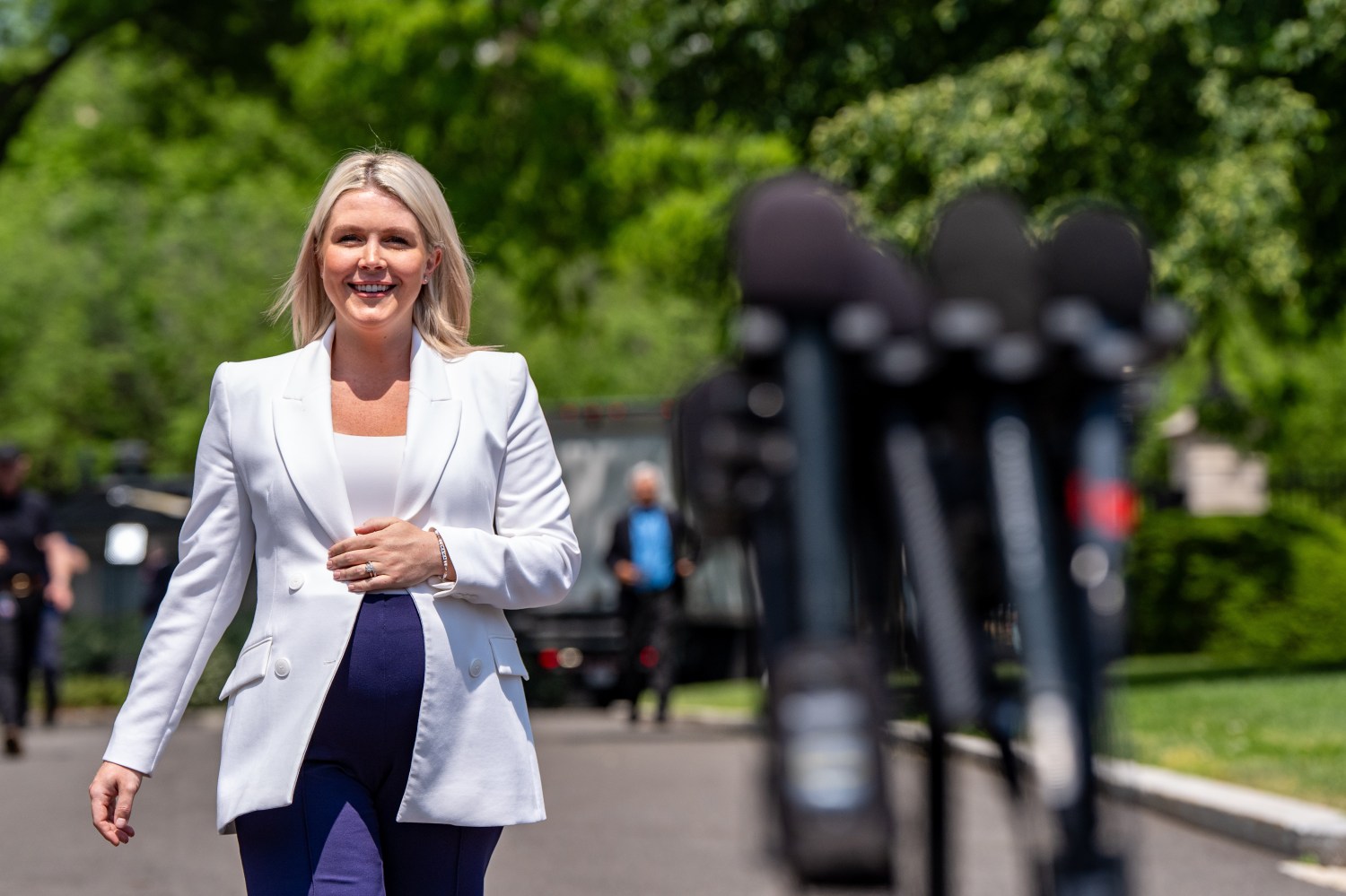
In a notable staffing shift at the White House, deputy press secretary Anna Kelly has taken over media briefing responsibilities while press secretary Karoline Leavitt is on maternity leave. Kelly’s recent appearance on Fox News has drawn attention for her approach to addressing pressing national issues, particularly regarding rising gas prices and economic concerns.
During Friday’s Fox News segment, Kelly defended the administration’s position on fuel costs, which have seen a significant surge in recent weeks. When questioned about how long Americans can expect to endure elevated gas prices, Kelly framed the situation as anticipated and temporary.
“The president has been clear-eyed all along the way about the short-term temporary disruptions that would occur as a result of Iran’s attempts to subvert the free flow of energy in the Strait of Hormuz,” Kelly stated. She projected optimism about future market corrections, adding that “a lot of those tankers are now headed to buying American oil, and this economy is going to be able to bounce back even better than before.”
Kelly’s reference to the Strait of Hormuz highlights the strategic importance of this waterway, through which approximately one-fifth of the world’s oil supply passes daily. Recent tensions in the region have contributed to market volatility and price fluctuations that directly impact American consumers at the pump.
Energy analysts note that disruptions in this crucial shipping lane often create ripple effects throughout global oil markets. The administration’s messaging appears aimed at reassuring Americans that these price increases are temporary rather than indicative of long-term energy policy failures.
During the interview, Kelly pivoted to highlighting the administration’s economic record, particularly regarding labor policies. “There’s a lot of talk out there about pro-worker policies,” Kelly remarked. “This president, though, is focused on action, and this president has done more for American students—for American workers—than anybody.”
She cited tax policy changes, labor market conditions, and manufacturing employment as evidence of the administration’s economic achievements. However, economic data presents a more complicated picture than Kelly’s characterization suggests. While the administration has implemented certain tax policies, their impact and effectiveness remain subjects of ongoing debate among economists and policy experts.
Manufacturing employment, which Kelly referenced, has experienced uneven recovery patterns across different regions and sectors of the country. Labor market statistics show varying outcomes depending on industry, education level, and geographic location—nuances not addressed in Kelly’s brief comments.
Media observers note that Kelly’s performance as the temporary face of White House communications will face further scrutiny in the coming weeks, particularly in settings less structured than the Fox News interview format. Press secretaries typically must navigate questioning from a diverse range of media outlets with varying editorial perspectives.
The transition in spokesperson roles comes at a challenging time for the administration, which is managing multiple domestic and international issues simultaneously. Gas prices remain a particularly sensitive topic for American voters, as fuel costs directly impact household budgets and can influence consumer sentiment about the broader economy.
Energy market experts suggest that price stabilization depends on multiple factors beyond just the administration’s policies, including global production levels, geopolitical developments, seasonal demand patterns, and refining capacity—complexities that brief media appearances rarely have time to fully explore.
As Kelly continues in this temporary role, communications analysts will be watching to see how effectively the White House messaging adapts to evolving economic conditions and public concerns in the weeks ahead.
Fact Checker
Verify the accuracy of this article using The Disinformation Commission analysis and real-time sources.

10 Comments
Kelly’s background in conservative media could make her a polarizing figure, but her direct communication style may resonate with some. I’m interested to see if she can strike a more balanced tone in this new role.
A fair point. It will be important for her to find the right balance between partisan messaging and addressing the real concerns of Americans. Her credibility will depend on it.
Kelly’s appointment signals the administration’s desire to sharpen its communication strategy. Her media experience could be an asset, but she’ll need to demonstrate a nuanced understanding of the challenges facing the country to be truly effective.
Well said. Effective communication requires balancing partisan interests with the real concerns of the public. Kelly’s success will depend on her ability to do that in this new role.
The administration is clearly making a strategic move in appointing Kelly. Her experience and media savvy could help shape the narrative around pressing issues like the economy and energy. But she’ll need to avoid partisan rhetoric to be effective.
It’s an interesting choice to elevate Kelly to this high-profile role. Her ability to effectively communicate the administration’s positions will be crucial, especially on sensitive economic issues. I hope she can strike a constructive tone.
Interesting move by the administration. Kelly’s experience as deputy press secretary should serve her well in this new role. I’m curious to see how she handles the energy and economic challenges facing the country.
Agreed. Her defense of the White House’s position on gas prices seems pragmatic, if a bit optimistic. We’ll have to see if she can effectively communicate the administration’s policies to the public.
Kelly’s comments on the Strait of Hormuz and American oil are thought-provoking. I wonder if she has insights into the geopolitical factors influencing energy markets that could help the public better understand the situation.
That’s a good point. Providing more context around the global dynamics impacting energy prices could help the administration’s messaging resonate better with the public.