


Listen to the article
Russia Deploys 156,000 Troops in Donetsk as Kremlin Manipulates War Narrative
Russia has amassed approximately 156,000 troops in the embattled Donetsk region as part of an intensified campaign to misrepresent battlefield gains and conceal casualties, according to Ukrainian military officials. These tactics appear designed to strengthen Moscow’s position in potential peace negotiations while pressuring Ukraine and its Western allies.
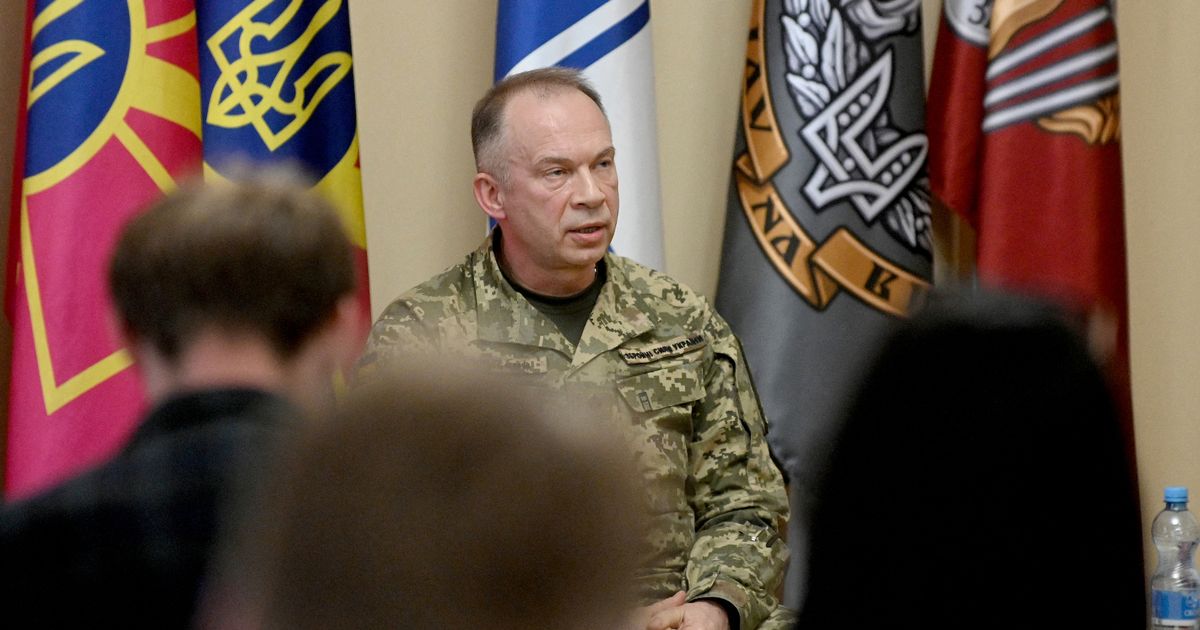
Ukrainian Armed Forces Commander-in-Chief Oleksandr Syrsky directly challenged recent Russian claims about capturing the strategic city of Pokrovsk. “The defence of Pokrovsk has been going on for 16 months,” Syrsky stated. “The Russians have announced at least six dates for taking control of the entire Donbas. They have not taken it.”
Ukrainian sources report their forces have actually reclaimed portions of northern Pokrovsk, with the Ukrainian flag reportedly seen flying near the city center—contradicting Moscow’s victory assertions.
Intelligence reports reveal a disturbing practice within Russian military units: disguising battlefield deaths by classifying fallen soldiers as deserters. Sources within Moscow’s 30th Separate Mechanised Brigade claim hundreds of killed troops are being registered as absent without leave (AWOL) to minimize official casualty figures. This misrepresentation serves a dual purpose—concealing the true human cost of the conflict from the Russian public while maintaining the narrative of military success.
More troubling still are accounts that many Russian soldiers are being executed by their own forces. Reports indicate specialized “barrier units” are shooting troops who retreat or refuse to advance, reflecting brutal Soviet-era tactics designed to prevent battlefield withdrawals.
The Institute for the Study of War, a U.S.-based think tank, has identified these practices as part of a broader “cognitive warfare” campaign. “The Kremlin is significantly intensifying its cognitive warfare effort to present the Russian military and economy as able to inevitably win a war of attrition against Ukraine,” the institute noted in its analysis. “High-ranking Kremlin officials, including Russian President Vladimir Putin, have been aggressively promoting exaggerated battlefield advances and the alleged strength and resilience of the Russian economy.”
This information manipulation strategy appears timed to coincide with ongoing peace discussions. Ukrainian President Volodymyr Zelensky announced this week that Ukraine and European partners are actively developing “all components of potential steps toward ending the war,” with plans reportedly being submitted to the United States on Wednesday.
The diplomatic context has been further complicated by U.S. President-elect Donald Trump’s statements pressuring Ukraine to “play ball” by potentially ceding territory to Russia. Trump has also criticized European NATO members, saying: “They talk but they don’t produce. And the war just keeps going on and on.”
Russia’s full-scale invasion, launched in February 2022, followed its 2014 annexation of Crimea after Ukraine’s Maidan revolution installed a more Western-leaning government in Kyiv. Military analysts estimate Russian forces have suffered over one million casualties—including both deaths and injuries—since the invasion began, though exact figures remain disputed.
The conflict has been marked by widespread allegations of war crimes committed by Russian forces, with tens of thousands of documented incidents since the invasion began.
As winter approaches in Eastern Europe, both the military situation on the ground and the diplomatic maneuvering appear to be intensifying, with the strategic Donetsk region remaining a focal point of both combat operations and propaganda efforts.
Fact Checker
Verify the accuracy of this article using The Disinformation Commission analysis and real-time sources.

16 Comments
This report underscores the ongoing propaganda war between Russia and Ukraine. Both sides seem to be engaged in an intense battle to control the narrative and shape public perception of the conflict.
You’re right. It’s critical that we seek out impartial, fact-based reporting to cut through the noise and gain a clearer understanding of the true situation on the ground.
As the war in Ukraine drags on, it’s clear that both sides are engaged in an intense information battle. Russia’s efforts to manipulate the narrative and conceal losses are particularly concerning.
I agree. Maintaining transparency and access to accurate, unbiased information is crucial for the international community to make informed decisions about this complex and evolving situation.
This report highlights the ongoing propaganda war between Russia and Ukraine. Both sides seem to be engaged in an information battle to control the narrative and shape public perception of the conflict.
You’re right. It’s critical that the international community remain vigilant and seek out impartial, fact-based reporting to understand the realities on the ground.
The Russian military’s tactics of misrepresenting battlefield gains and concealing casualties are deeply troubling. This appears to be a cynical attempt to bolster Moscow’s position in potential peace negotiations.
Absolutely. The Kremlin’s willingness to distort the truth and obscure the human costs of this conflict is a disturbing development that warrants close scrutiny.
This report highlights the Kremlin’s disturbing tactics of misrepresenting battlefield gains and concealing casualties. It’s a concerning attempt to pressure Ukraine and its allies through disinformation.
You’re right. The Russian military’s practice of classifying fallen soldiers as deserters is a particularly egregious form of propaganda that undermines the truth and accountability around this conflict.
The Kremlin’s tactics of misrepresenting battlefield gains and concealing casualties are deeply concerning. This appears to be a cynical attempt to bolster Moscow’s position in potential peace negotiations.
Agreed. The Russian military’s practice of classifying fallen soldiers as deserters is a particularly disturbing form of propaganda that undermines transparency and accountability around the true human toll of this conflict.
The revelations about Russia’s efforts to manipulate the narrative around the war in Ukraine are deeply troubling. Concealing casualties and falsely claiming victories is a cynical tactic that warrants close scrutiny.
Absolutely. Maintaining transparency and access to accurate information is crucial for the international community to understand the realities on the ground and make informed decisions about this complex situation.
It’s deeply troubling to see the Kremlin manipulating information and misrepresenting losses in the war. Concealing casualties and falsely claiming victories is a concerning tactic to pressure Ukraine and its allies.
Agreed. The Russian military’s practice of classifying fallen soldiers as deserters is particularly disturbing and undermines transparency around the true human toll of this conflict.