


Listen to the article
Iran Deploys LEGO-Style AI Videos in Digital Propaganda War Against U.S.
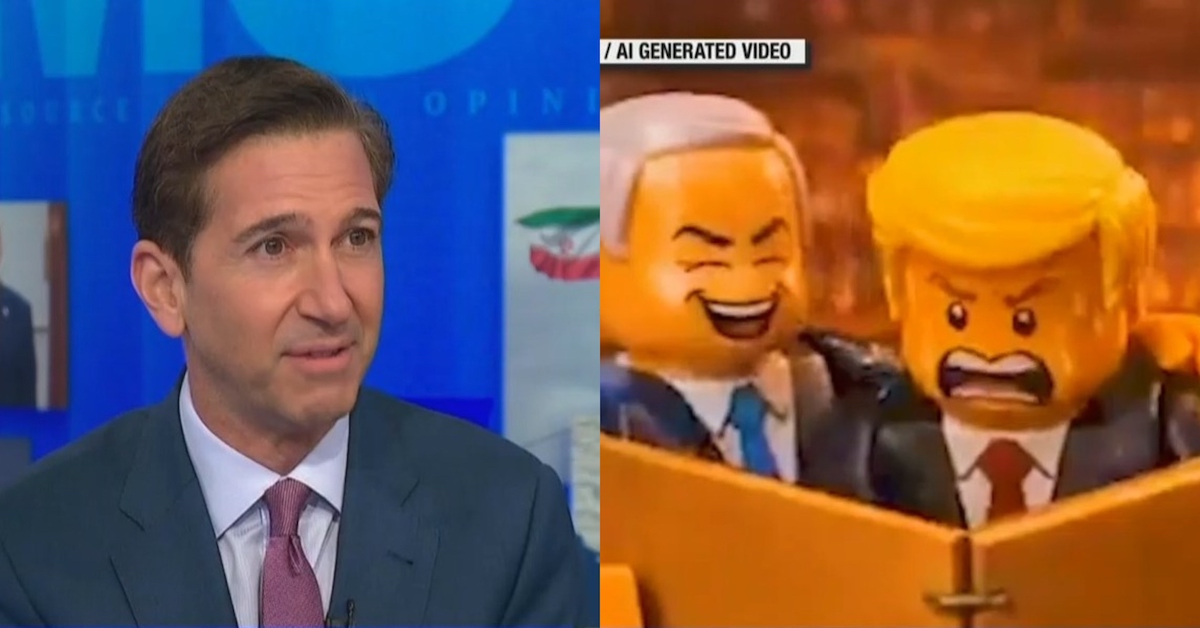
In a sophisticated digital offensive, Iran has released a series of AI-generated videos mimicking LEGO movie aesthetics that have gone viral across social media platforms, according to MSNBC NOW justice and intelligence reporter Ken Dilanian.
The animated shorts, which have reportedly garnered over one billion views on X (formerly Twitter) alone, target President Donald Trump and his administration with satirical depictions that exploit political vulnerabilities and controversial moments.
“We invented the internet, we invented artificial intelligence, and yet this murderous theocratic regime is using those technologies to win the propaganda war,” Dilanian told MSNBC’s Katy Tur during a recent segment. He described the videos as “very clever” and “very compelling,” noting their strategic use of English language and British rap lyrics to maximize their appeal to Western audiences.
One particularly inflammatory video portrays President Trump as a LEGO character examining “Epstein files” before becoming enraged and launching missiles at Iran. The animation depicts Israeli Prime Minister Benjamin Netanyahu and a devil figure cheering on the military action, playing into conspiracy theories about U.S. foreign policy motivations.
Another recently released video targets Secretary of Defense Pete Hegseth, insinuating he has a drinking problem. These productions represent a calculated effort to undermine U.S. leadership credibility through mockery and innuendo.
The digital campaign comes amid escalating tensions between the United States and Iran, with President Trump and Secretary Hegseth repeatedly claiming American military superiority in the conflict. However, Dilanian suggests that while conventional warfare remains dominated by U.S. capabilities, the propaganda battlespace tells a different story.
“President Trump and Secretary Hegseth keep saying we’re winning the war with Iran, but what about the propaganda war?” Tur questioned during the segment, highlighting the growing concern among media analysts about America’s apparent vulnerability in the information domain.
Digital propaganda has become increasingly sophisticated in recent years, with state actors leveraging advanced technologies to shape international narratives. What makes these Iranian efforts particularly effective is their cultural relevance and production quality, designed to resonate with Western internet users.
The videos strategically reference divisive domestic issues, including Trump’s recent controversial social media post that appeared to depict himself as Jesus Christ (which the president later denied was his intention), as well as alleged Israeli influence on American foreign policy.
Dilanian pointed out that America’s capacity to counter such propaganda has been compromised by institutional changes within the U.S. government. “The U.S. has no answer because in part the State Department disbanded some of the organizations that were designed to flag and counter foreign propaganda,” he explained.
The reporter also suggested that some of President Trump’s own statements may have inadvertently aided Iran’s messaging efforts. “A lot of the extreme things that Donald Trump has said [are] probably more hurtful to America’s image than anything in these videos,” Dilanian remarked.
Media experts note that this represents a significant evolution in state-sponsored influence operations, moving beyond simple misinformation campaigns to sophisticated cultural commentary that exploits political divisions within target nations.
As digital battlefields increasingly complement traditional military confrontations, the ability to effectively counter such propaganda becomes a critical national security concern. With these LEGO-style animations now classified as “a cultural phenomenon,” according to Dilanian, the question remains how the United States will adapt its information warfare strategy to address this creative and technologically advanced approach from Iran.
Fact Checker
Verify the accuracy of this article using The Disinformation Commission analysis and real-time sources.

8 Comments
It’s fascinating to see how Iran is leveraging emerging technologies like AI to wage a digital propaganda war. The LEGO-style aesthetics are certainly eye-catching, but the intent behind these videos is worrying.
Agreed. The technical sophistication is impressive, but the use of these tools for political propaganda is deeply concerning. We need to be very cautious about the spread of this type of content.
While the technology behind these AI-generated videos is impressive, I’m skeptical of their true purpose and impact. Propaganda, even in an entertaining format, can be very damaging.
I share your skepticism. Viral misinformation and political manipulation through clever visuals is a troubling trend we need to be vigilant about.
Interesting that Iran is leveraging AI and viral videos to target the US in this digital propaganda war. While the content may be concerning, I appreciate the creativity and technical sophistication behind these animated shorts.
It’s concerning to see the spread of misinformation and inflammatory content through these AI-generated videos. But I agree, the technical execution is quite impressive.
I’m curious to learn more about the strategic messaging and intent behind these viral LEGO-style videos from Iran. Are they effective at swaying Western audiences and public opinion?
That’s a good question. The ability of these videos to reach such a large audience globally is certainly concerning, even if the intent and messaging is questionable.